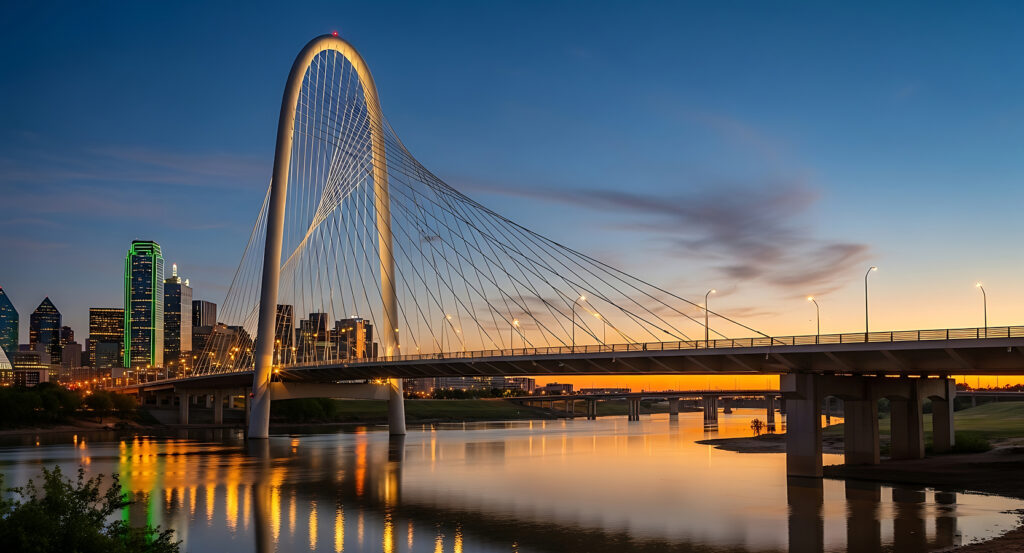
Why you should experience Field Street in Dallas, Texas.
Field Street is an elevated corridor where Downtown's civic ambition, architectural distinction, cultural prominence, and commercial vitality converge along one of the city's defining urban streets.
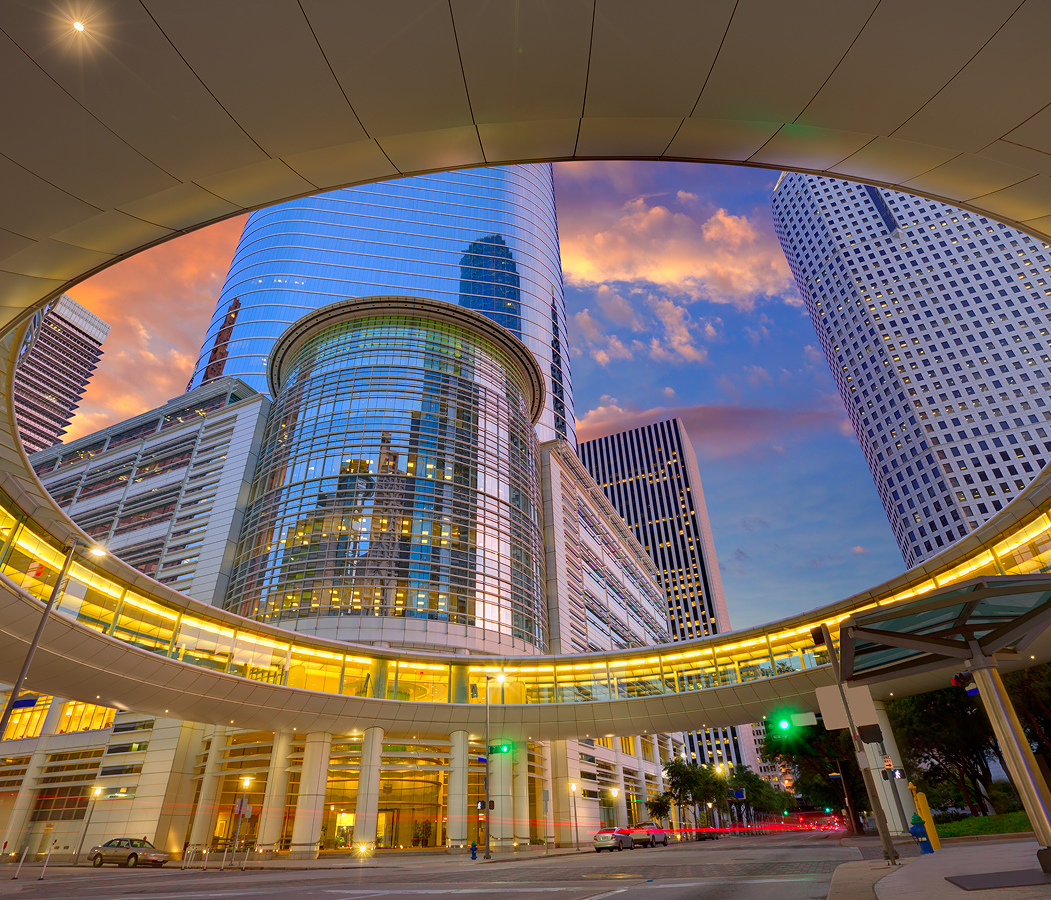
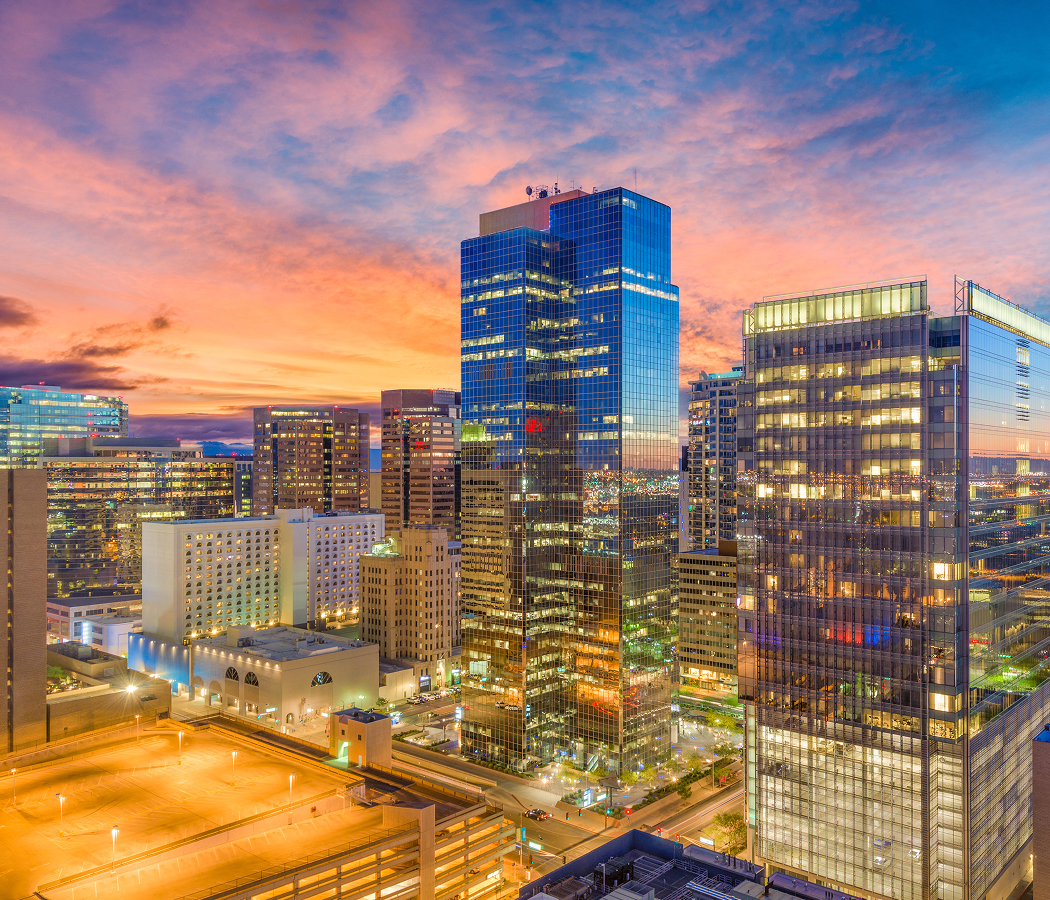
Running through Downtown between the Arts District and the Convention Center District, the corridor links celebrated performance venues, corporate headquarters, hotels, civic institutions, and public plazas that showcase the city's modern skyline. Each successive block reveals soaring glass towers, granite-clad buildings, landscaped sidewalks, public art, and generous pedestrian spaces that reinforce the street's unmistakable metropolitan identity. The defining moment arrives as Field Street demonstrates how architecture, commerce, entertainment, and civic investment continue defining the heart of Dallas. The result is an experience defined by urban sophistication, architectural confidence, and one of Downtown's most influential corridors.
What you should know about Field Street.
Field Street is best known for evolving alongside Downtown's transformation into the city's principal business and civic center throughout the 1950s, 1960s, 1970s, and 1980s, when successive redevelopment initiatives reshaped the central business district with modern skyscrapers and institutional projects. Construction introduced office towers, luxury hotels, performing arts facilities, and civic buildings utilizing structural steel framing, reinforced concrete construction, curtain-wall glazing, polished granite cladding, aluminum architectural systems, and expansive public plazas that continue defining the corridor's architectural identity. Completion of Thanks-Giving Square in 1976, designed by Philip Johnson, John Burgee, and landscape architect Lawrence Halprin, established one of Downtown's most distinctive civic spaces while reinforcing Field Street's architectural significance. Streetscape improvements introduced widened sidewalks, decorative lighting, coordinated landscaping, accessible pedestrian crossings, bicycle facilities, and upgraded utilities that strengthened connections throughout the central business district while encouraging increased pedestrian activity. Continued reinvestment has added renovated office towers, hospitality developments, residential projects, and corporate headquarters while preserving Field Street's role as one of Downtown's principal commercial corridors. Collectively, the corridor's architectural innovation, civic investment, commercial growth, and long-term urban planning established Field Street as one of Downtown's defining metropolitan corridors.
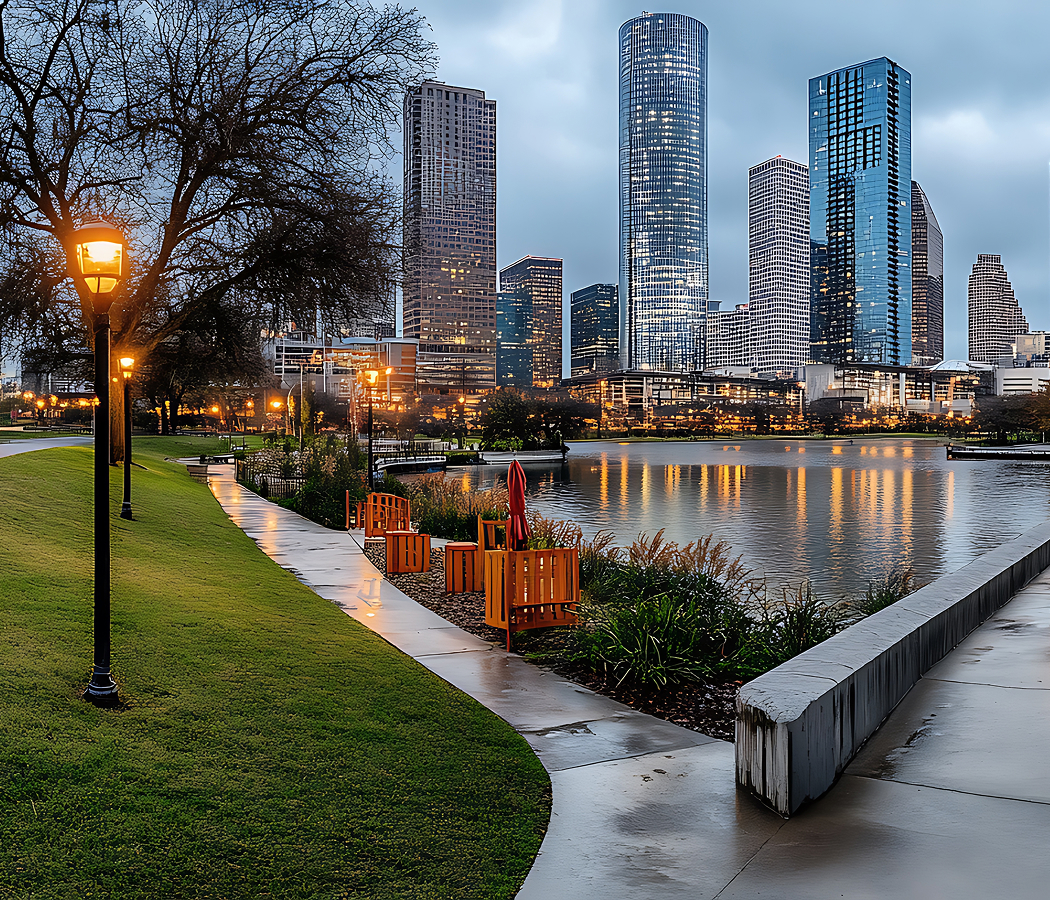
Downtown-Dallas, Inc. continues coordinating streetscape enhancements, economic development initiatives, pedestrian improvements, and public programming that reinforce Field Street's prominence within the city's urban core. The City of Dallas Office of Arts and Culture supports public art installations, cultural programming, and placemaking projects that strengthen the corridor's visual character while enriching the pedestrian experience throughout Downtown. Cedar elms, live oaks, ornamental grasses, irrigated planting beds, granite paving elements, and landscaped curb extensions create a resilient streetscape that complements the surrounding high-rise architecture while improving walkability and environmental performance. Together, these civic organizations, cultural investments, and carefully maintained landscape features demonstrate how Field Street continues evolving through coordinated stewardship of both its public spaces and architectural setting.
How to fold Field Street into your trip.
Field Street works as an exploration of Downtown's architectural, cultural, and civic heart.
Begin at Thanks-Giving Square, where Philip Johnson's contemplative design and celebrated Chapel of Thanksgiving establish the architectural story surrounding Field Street while naturally introducing Downtown's civic landscape. Continue to AT&T Performing Arts Center, where acclaimed performance venues and contemporary architecture deepen appreciation for the city's cultural ambitions before guiding the experience toward its historical conclusion. Conclude at Dealey Plaza, where nationally significant history and preserved civic spaces provide the historical payoff by illustrating the events that forever shaped both Dallas and the United States. The progression moves naturally from architectural reflection to cultural expression before culminating in one of America's most historically significant public spaces.
Where your story begins.
Foresyte Travel reveals places that feel extraordinary long before you arrive.
Experience premium editorial crafted for luxury travelers.