Why you should experience Flower Hill Center in Austin, Texas.
Flower Hill Center is a preserved historic estate where old Austin architecture, quiet gardens, and the lingering elegance of another era survive just beyond the rush of downtown.
Along West 6th Street near the western edge of Downtown and the historic Clarksville neighborhood, this heritage property sits behind trees and stone pathways with the calm dignity of a place that has watched the city transform around it for generations. The atmosphere feels remarkably still compared to the movement surrounding it outside. Sunlight settles softly across historic interiors, gardens frame the property with restrained beauty, and the house itself carries the intimate scale of a residence built long before Austin became a booming modern skyline. There is a gentleness to the experience that immediately slows your pace. Flower Hill Center preserves not only architecture, but also the resonant texture of older Austin, quieter, slower, and deeply rooted in place.
What you should know about Flower Hill Center.
Flower Hill Center is best known for historic preservation and cultural stewardship, protecting one of the remaining examples of Austin's older residential heritage within a rapidly evolving urban core.
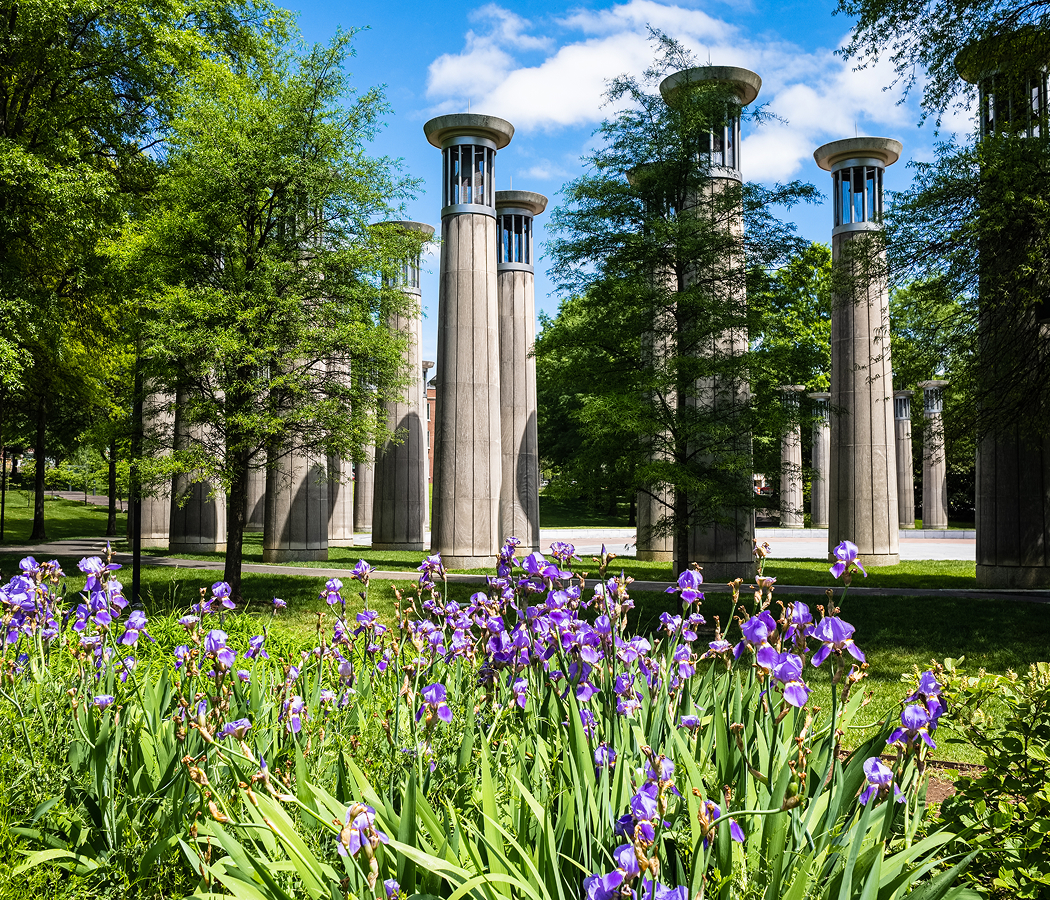
The estate reflects architectural and social histories tied to Austin's early residential development, preserving the style, craftsmanship, and spatial intimacy that defined upper residential life during earlier chapters of the city's growth. That preservation becomes increasingly meaningful within modern Austin itself. As downtown density and redevelopment continue reshaping surrounding neighborhoods, places like Flower Hill Center offer rare physical continuity with the city's pre-expansion identity. The property's gardens and grounds strengthen that atmosphere further. Mature trees, landscaped pathways, and preserved outdoor spaces create an environment where visitors can momentarily disconnect from the city's pace and experience a more residential and historically scaled version of Austin. The Clarksville-adjacent setting amplifies this feeling naturally because the surrounding area still retains traces of the city's layered architectural and cultural past beneath ongoing modernization.
How to fold Flower Hill Center into your trip.
Flower Hill Center works as a slower historical and architectural stop woven into a quieter afternoon around Clarksville and West Austin.
Visit during daylight hours when the gardens and historic details reveal themselves most clearly beneath the softer natural light surrounding the property. The location pairs beautifully with nearby neighborhood walks, coffee stops, local galleries, and slower exploration beyond Austin's louder entertainment districts. Move gradually through the grounds and interiors instead of treating the site like a checklist destination. The resonant power of places like this often lives in smaller observations, aged woodwork, preserved proportions, filtered light across historic rooms, and the realization that the scale of old Austin once felt dramatically different from the city surrounding it now. Spend time outside afterward. The gardens and stillness become part of the experience itself. Flower Hill Center offers one of the quieter but more emotionally resonant glimpses into Austin's architectural memory, preserving a version of the city that increasingly survives only in places willing to protect it carefully.
Where your story begins.
Foresyte Travel reveals places that feel extraordinary long before you arrive.
Experience premium editorial crafted for luxury travelers.