Why you should experience Fort Pontchartrain a Wyndham Hotel in Detroit, Michigan.
Fort Pontchartrain a Wyndham Hotel is classic refinement anchored in Detroit's historic, cultural, and civic heart, a hotel that feels both elegant and unmistakably of the city itself, providing a blend of accessible luxury, urban presence, and thoughtful comfort rather than contrived performance or hollow grandeur.
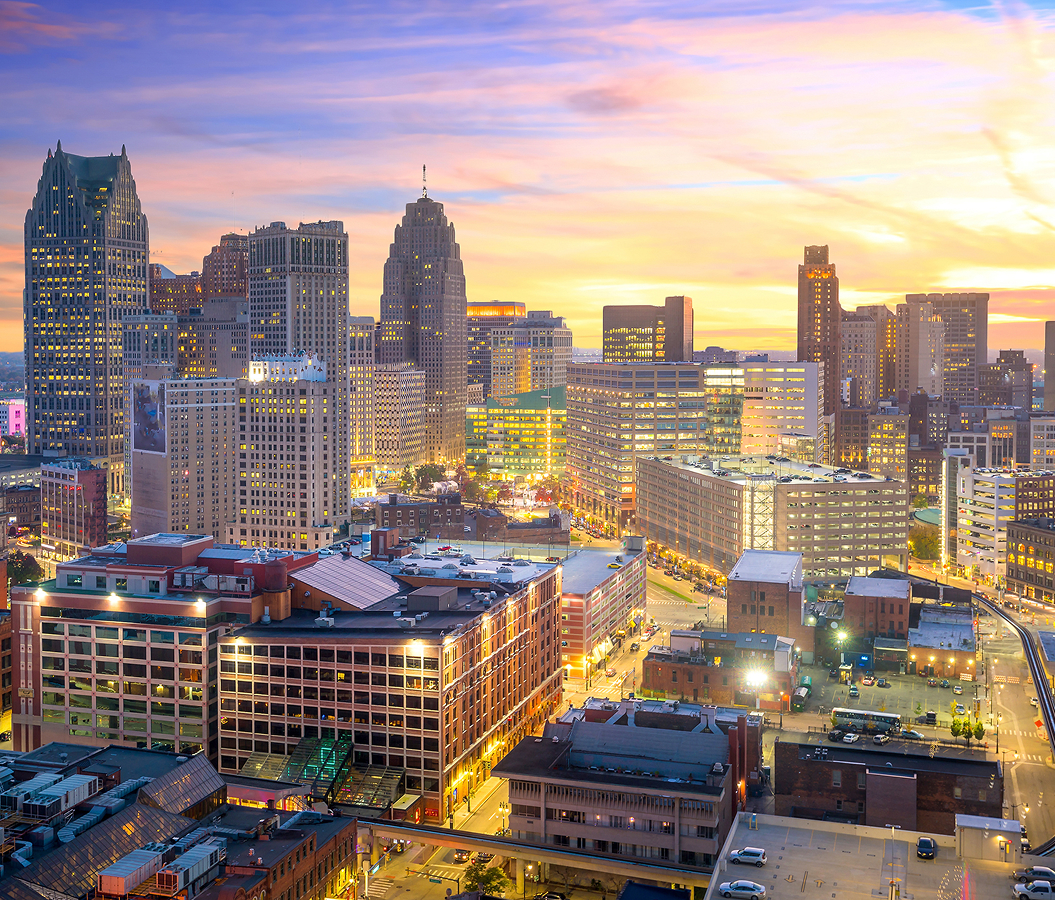
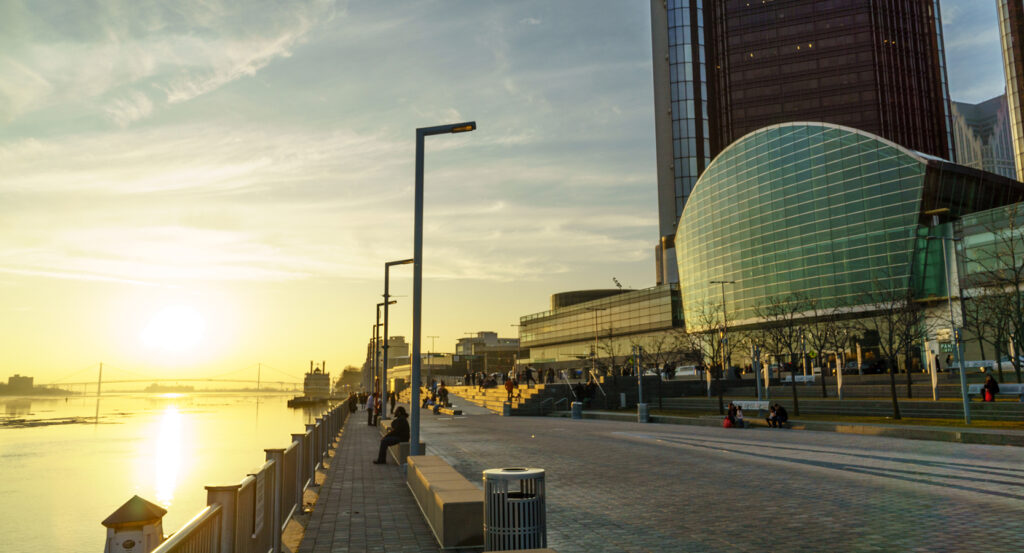
Located on Washington Boulevard in Detroit's revitalized downtown, this hotel situates you within walking distance of theaters, museums, corporate hubs, historic streets, sports venues, and transit access, making it an ideal hub for business travelers, cultural explorers, and weekend visitors alike. Arrival has a sense of arrival without pretension: the façade speaks to Detroit's architectural lineage, and the entry sequence is clear, welcoming, and purposeful rather than theatrical. Inside, the atmosphere balances warmth and structure, with public spaces that feel composed but not overengineered, where space supports both conversation and solitude. Materials feel intentional and grounded, polished woods, subtle textures, well-curated lighting that supports presence rather than distraction, creating a kind of everyday elegance that feels natural rather than performative. The lobby and lounge areas are scaled to be human and hospitable: sightlines are open, seating is arranged for ease rather than show, and lighting feels warm without being visually aggressive. These spaces support transition, from exploration to rest, from business to social ease, with thoughtful pacing. Guest rooms extend this sensibility into private space with comfort that feels consistent and well-resolved. Layouts are generous without being cavernous, allowing you to rest, work, and decompress without spatial tension. Beds are engineered for restorative sleep, a boon after long days navigating meetings, museum tours, or evening performances, with linens and mattress systems that feel supportive yet inviting. Lighting in the room is layered and adaptable, supporting early productivity, afternoon ease, and evening calm. Windows frame Downtown Detroit context, city streets, architectural lines, distant skyline views, anchoring you in place yet offering a sense of interior privacy. Bathrooms are clean-lined and purposefully organized, featuring strong water pressure, intuitive storage, and finishes that elevate daily rituals without being decorative for its own sake. Sound management is solid, preserving interior calm even as the city's pulse persists beyond the glass. Service at Fort Pontchartrain a Wyndham Hotel is attentive, warm, and situationally aware. Staff interactions are professional yet personable rather than scripted, offering practical local insights, from transit guidance that actually saves time, to dining suggestions that reflect neighborhood rhythm rather than generic tourist lists. Staff anticipate needs without intrusion, making your stay feel effortless from check-in through departure. Staying here feels like choosing contextual refinement over hollow ostentation, approachable luxury over performance, and a hotel that supports how you move through a city rather than how it tries to show you the city, making Fort Pontchartrain a standout base for experiencing Detroit with both confidence and ease.
What you should know about Fort Pontchartrain.
Fort Pontchartrain's character is best known for centuries of urban narrative layered into Detroit's commercial and cultural evolution, and that character directly influences how the hotel functions and feels.
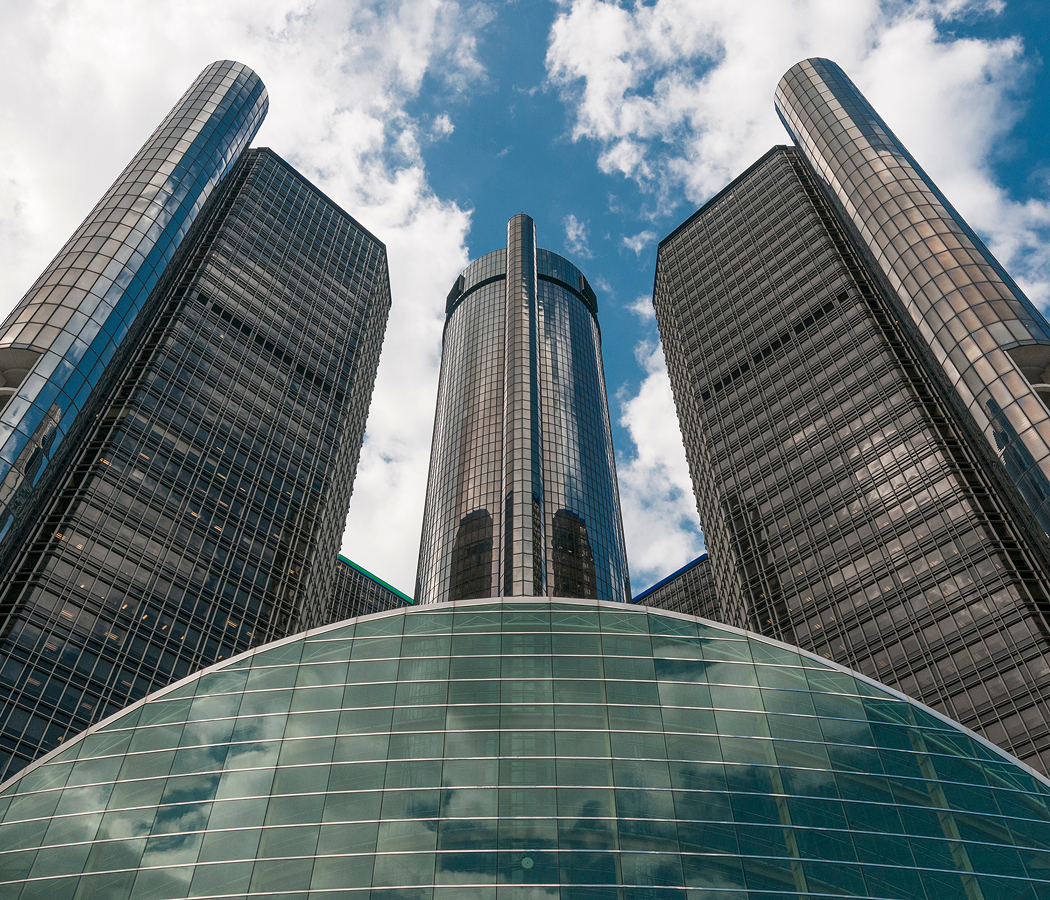
Originally built in the early 1960s during a period of renewed civic ambition, the hotel has long been part of Detroit's architectural and social landscape, anchoring Washington Boulevard, once part of the city's original grand civic spine, with a scale and presence that speak to Detroit's mid-century urban confidence. Rather than erasing that lineage, the hotel retains and celebrates it through proportion, materiality, and spatial logic that honors structure and continuity. Interiors here don't chase fleeting design trends; they emphasize coherence, material resonance, and a sense of permanence. Furnishings are chosen for durability and comfort, finishes feel warm and welcoming rather than ornamental, and spatial organization prioritizes ease of movement without visual clutter. Public spaces function as true living zones, places where you are rather than places you pass through, a quality that becomes increasingly appreciative the longer you stay. Renovations and enhancements at the hotel have consistently focused on infrastructure and usable comfort first: climate systems that remain quietly consistent, acoustics designed to manage urban presence rather than isolate you from it entirely, lighting calibrated for human scale rather than dramatic effect, and connectivity systems that actually support real work and movement rather than aspirational promise. This operational foundation makes the environment feel dependable and coherent. The hotel's location amplifies this strength. Washington Boulevard is not a static historic stage; it's part of Detroit's ongoing narrative, a corridor where cultural venues, business districts, retail zones, transit access, and historic streets converge. The hotel does not isolate you from this energy; it connects you to it, making Detroit feel navigable. Staff culture reflects this embedded identity. Service is delivered with local fluency and situational awareness. Recommendations are specific and practical, transit options that reflect real schedules, dining suggestions aligned with neighborhood rhythm, cultural pointers that go beyond generic lists. Conversations feel guided by experience. In a hospitality landscape often polarized between performance or sterile uniformity, Fort Pontchartrain stands apart by committing to functional refinement as its enduring value, proving that comfort grounded in real performance, local knowledge, and architectural continuity feels richer and more supportive than superficial design gestures.
How to fold Fort Pontchartrain into your trip.
Fort Pontchartrain works as a logistical and resonant anchor within Detroit's dynamic downtown fabric, especially for travelers who want the city to feel accessible, layered, and alive.
Days here begin with orientation. Step outside and you're immediately within walking distance of cultural destinations, casual cafés, transit options, historic streets, and green corridors, allowing morning plans to unfold organically. Midday returns to the hotel are genuinely restorative. The composed interior environment allows experience to settle rather than stack, giving you space to reset before continuing with afternoon or evening activities. This pacing preserves energy and clarity, a difference that matters whether you're on business travel, family vacation, or multi-day exploration. Afternoons can extend into deeper city engagement: museum visits, architectural tours, historic neighborhoods like Brush Park or Corktown, lunch with local flavor, or purposeful wandering through Detroit's evolving art and food districts. Because the hotel sits at a connective downtown node, movement feels additive rather than disjointed; each part of your itinerary feels like an extension of the last. Evenings here resolve. Whether you choose dinner at a neighborhood favorite, enjoy an event at a nearby theater, catch a game, or simply walk the boulevard under evening light, returning to the hotel doesn't feel like retreat, it feels like completion, a calm synthesis of the day's engagement. Public spaces invite a last drink, quiet conversation, or thoughtful pause. Over multiple nights, familiarity becomes an asset. You begin to anticipate which streets feel liveliest at certain hours, which transit routes save time, and which neighborhood cafés or galleries feel most rewarding with repeat visits. Extended stays reveal the hotel's deepest contribution: resonant continuity. You engage with Detroit not as a sequence of isolated attractions but as a coherent environment with texture, rhythm, and personal resonance.
Where your story begins.
Foresyte Travel reveals places that feel extraordinary long before you arrive.
Experience premium editorial crafted for luxury travelers.