Why Fruth Street matters.
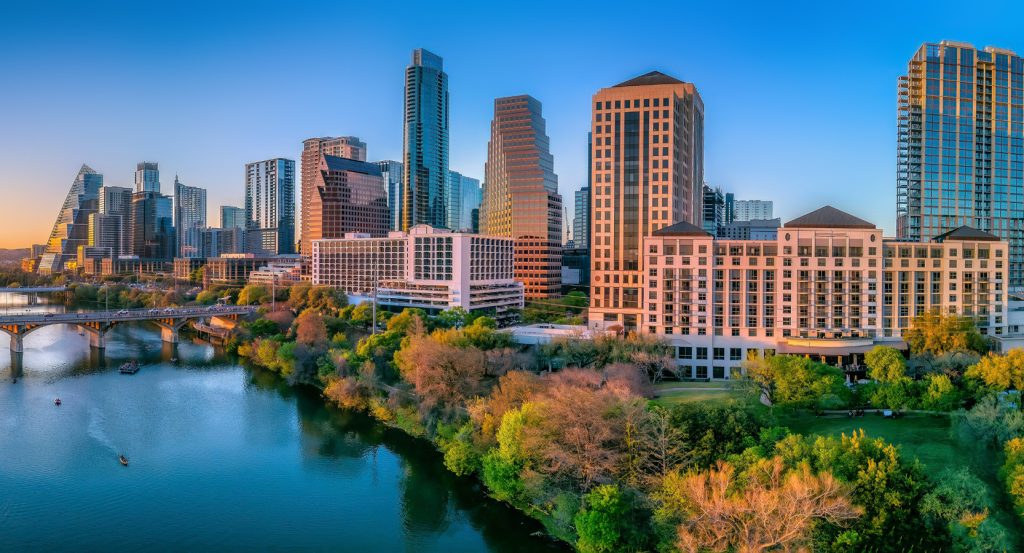
Fruth Street is a welcoming corridor where West Campus' academic energy, neighborhood tradition, architectural diversity, and enduring local character create one of Central Austin's most engaging streets.
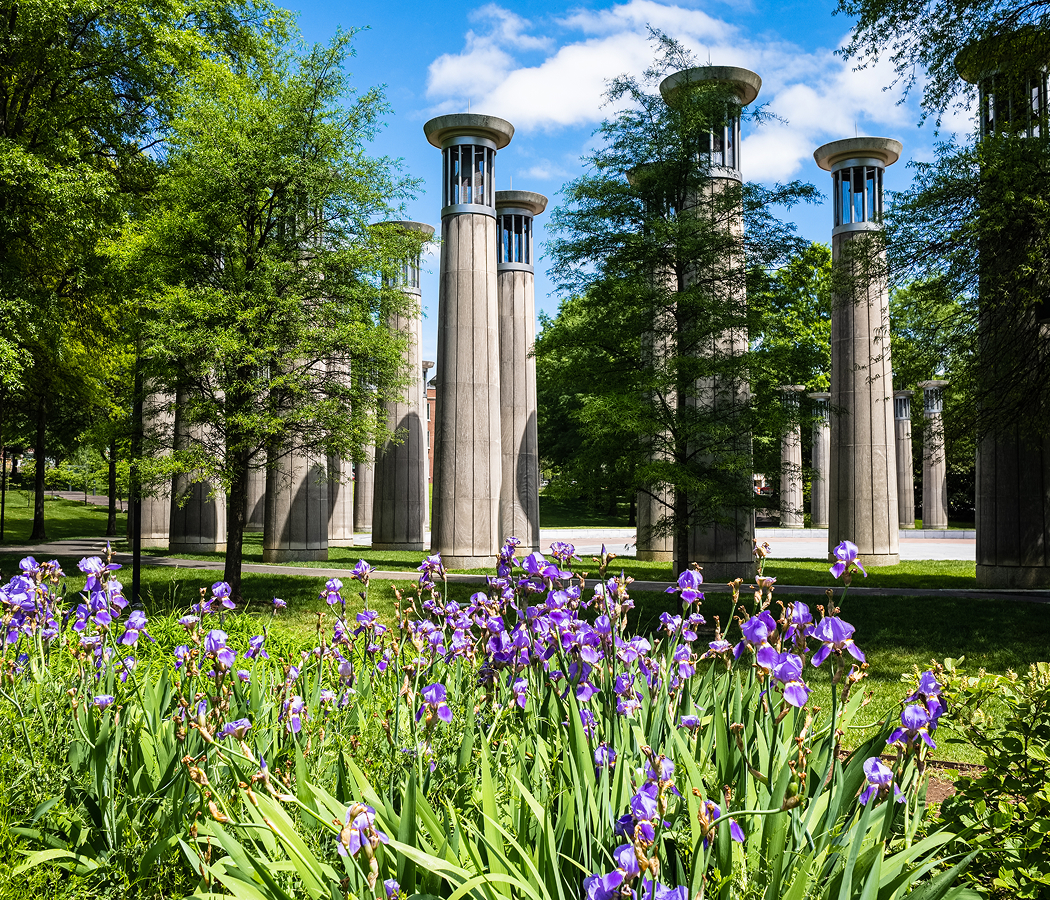
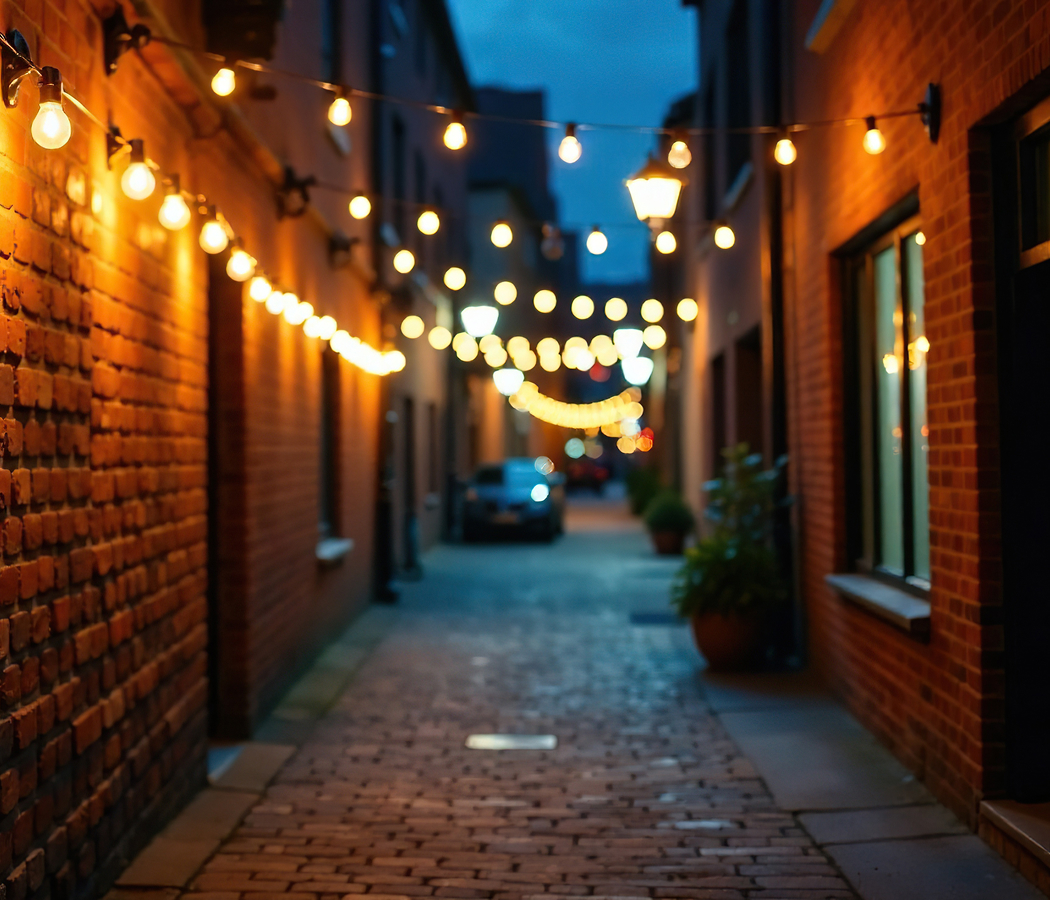
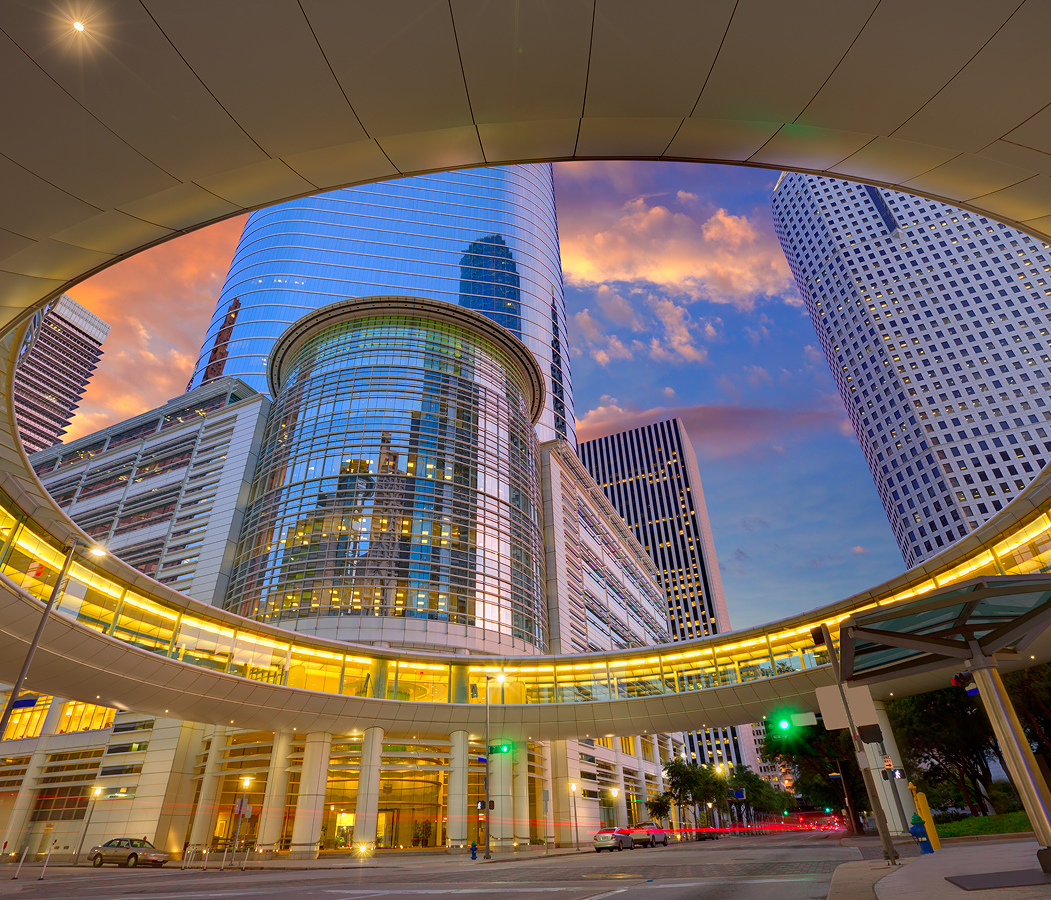
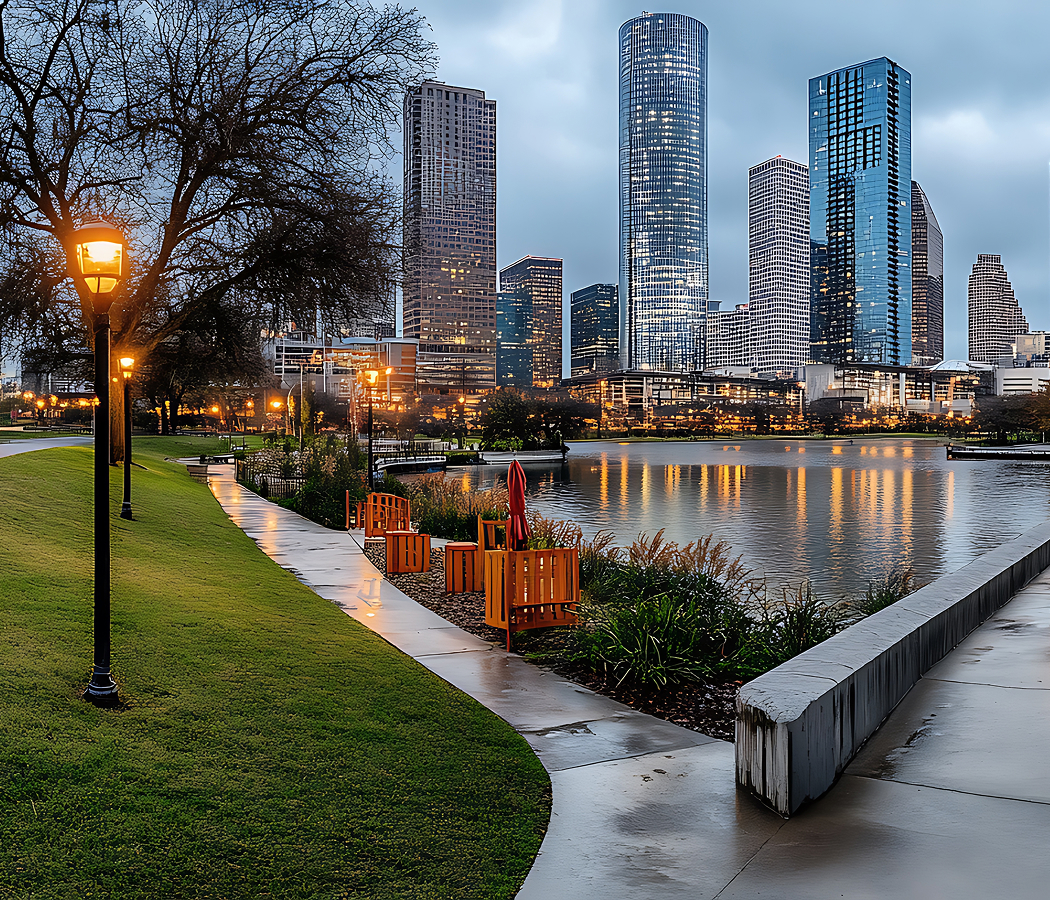
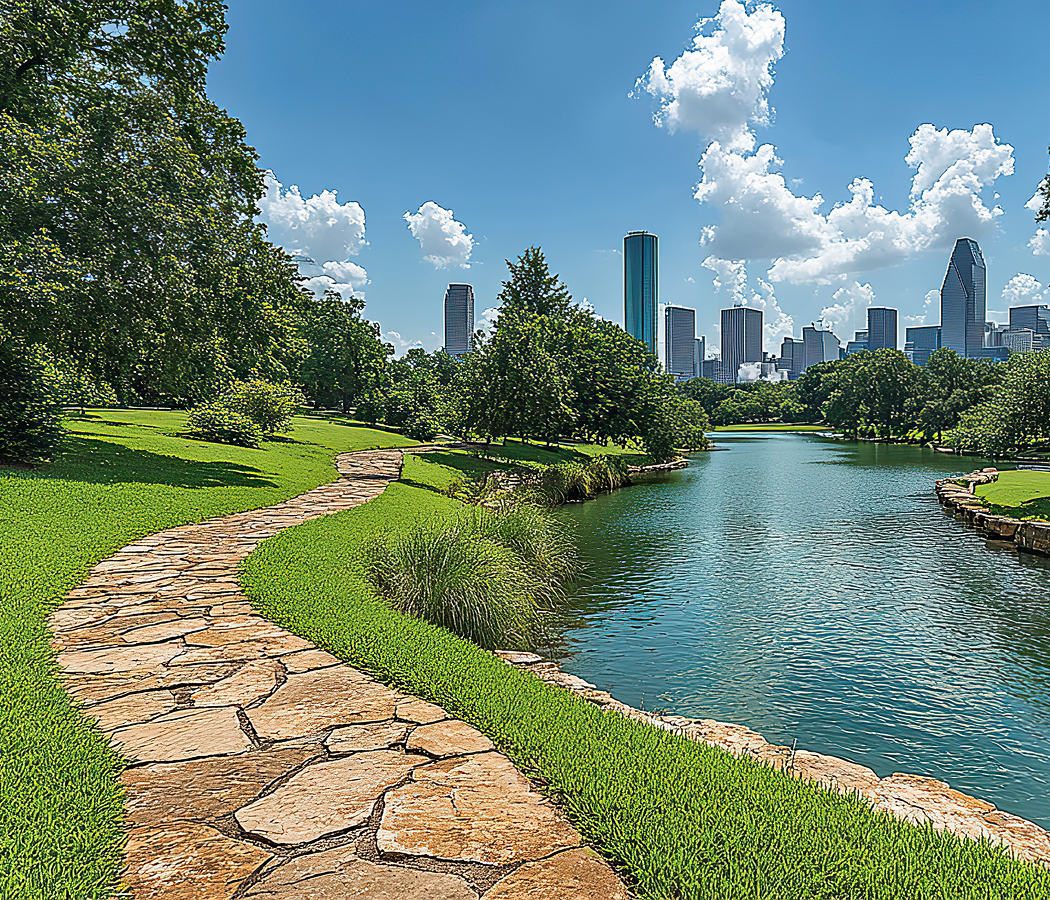
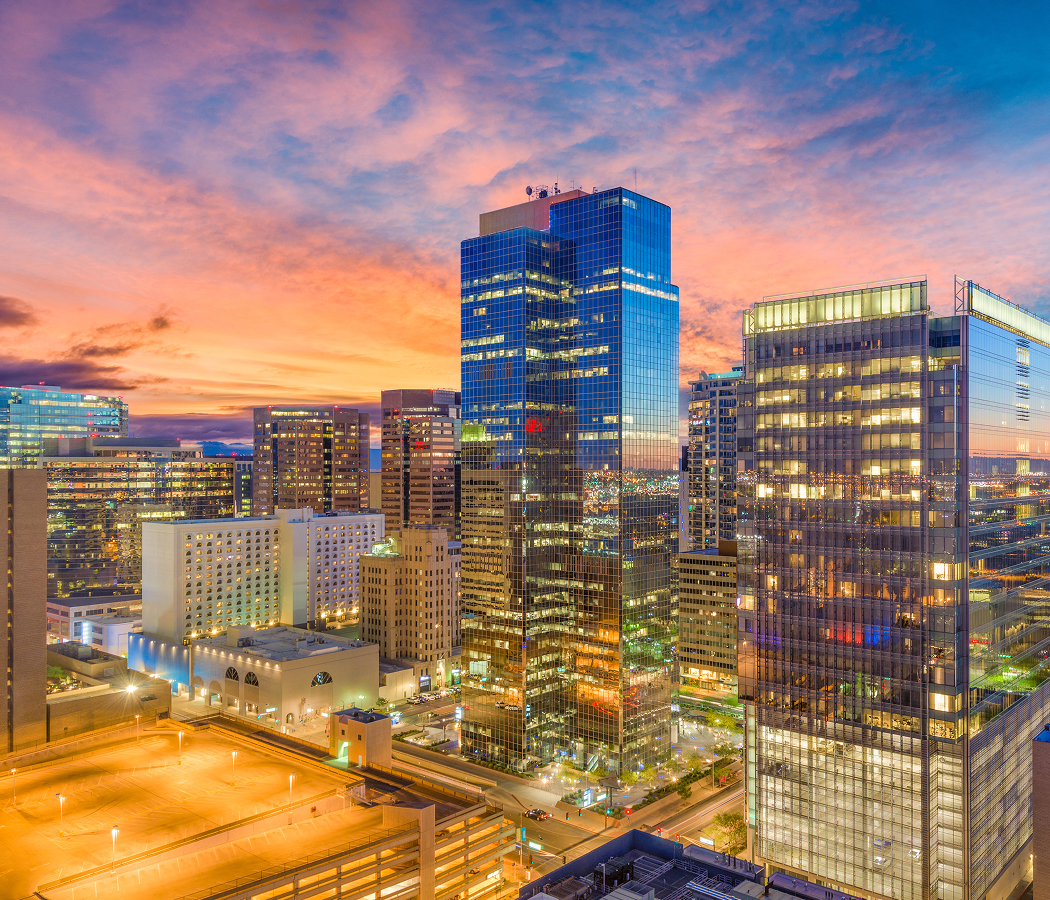
Running through West Campus between University of Texas and Shoal Crest, the corridor connects established residential blocks, student-oriented businesses, historic apartment buildings, and shaded streets that reflect more than a century of growth surrounding one of Texas' foremost universities. Mature live oaks, early twentieth-century residences, contemporary housing, brick apartment buildings, and walkable streets establish a setting where academic life and neighborhood continuity remain closely intertwined. Successive generations of investment have reshaped the district while preserving many of its longstanding urban characteristics. The result is an experience defined by intellectual vitality, architectural continuity, and one of West Campus' most recognizable corridors.
What defines Fruth Street.
Fruth Street is best known for traversing West Campus, whose development accelerated following the relocation of The University of Texas at Austin to its present campus in 1883, transforming surrounding farmland into one of the city's earliest university-oriented residential districts. Construction intensified during the 1910s, 1920s, and 1930s, producing a substantial collection of Craftsman bungalows, Classical Revival residences, brick apartment houses, fraternity and sorority buildings, and later Mid-Century residential complexes that collectively document Austin's academic expansion. Throughout the twentieth century the corridor evolved alongside university enrollment growth, encouraging bookstores, neighborhood services, cafés, professional offices, and housing that supported generations of students, faculty, and researchers while reinforcing West Campus as one of Austin's most densely developed neighborhoods. Native live oak, cedar elm, pecan, Texas red oak, and Mexican sycamore contribute to a mature urban canopy that softens the historic street grid while sustaining pollinators and migratory bird habitat within the university district. Collectively, the corridor's educational history, architectural diversity, residential evolution, commercial development, and established landscape establish Fruth Street as one of West Campus' defining corridors.
The West Campus Neighborhood Association has remained an important advocate for neighborhood preservation, mobility improvements, urban design, and community engagement as the district has continued evolving alongside university growth. Nearby, the Balcones Fault Zone influences the area's limestone geology, soil composition, drainage characteristics, and vegetation patterns that distinguish Central Austin's natural landscape. The surrounding street network also preserves portions of Austin's nineteenth-century subdivision structure, illustrating how early urban planning accommodated rapid institutional expansion while maintaining a connected residential fabric. Together, these neighborhood organizations, geological systems, and historic planning patterns demonstrate how Fruth Street reflects a corridor where education, stewardship, and long-term urban development continue reinforcing one another.
How Fruth Street fits.
Fruth Street works as an exploration of Austin's academic heritage, cultural institutions, and historic neighborhoods.
Begin at The University of Texas at Austin, where historic campus architecture, public art, museums, and expansive greens introduce the educational foundation that has shaped West Campus for well over a century. Continue to Harry Ransom Center, where internationally significant literary archives, rare manuscripts, photography collections, and rotating exhibitions deepen the experience through one of the world's foremost humanities research institutions. Conclude at Neill-Cochran House Museum, where the preserved 1855 Greek Revival residence, original furnishings, and carefully interpreted collections provide the historical payoff by illuminating domestic life during Austin's earliest decades. The progression moves naturally from higher education to world-renowned scholarship before culminating in one of the city's oldest surviving historic homes.
Where your story begins.
Foresyte Travel reveals places that feel extraordinary long before you arrive.
Enjoy editorial crafted for luxury travelers.
Foresyte may earn a commission when you book.