Why you should experience Gillette Street in Houston, Texas.
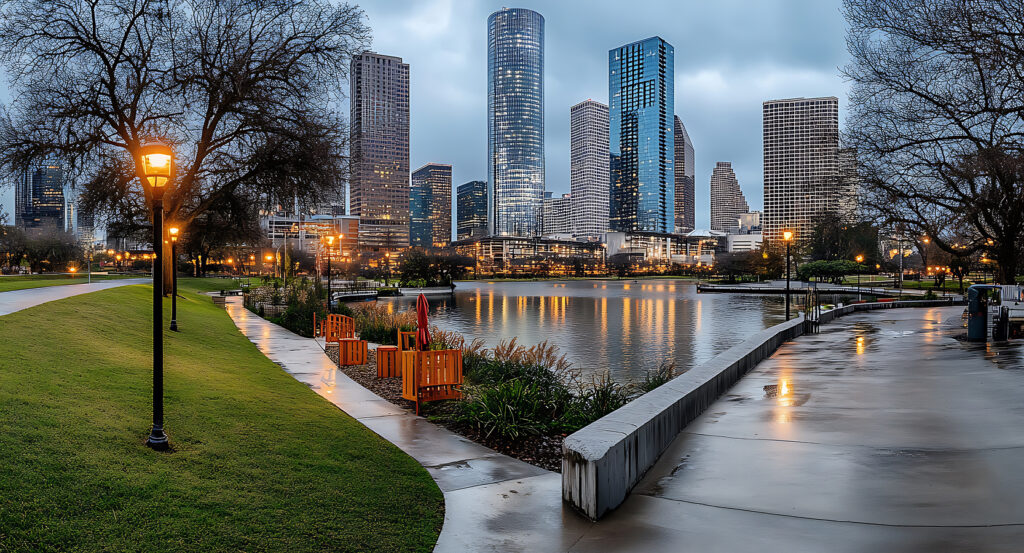
Gillette Street is a refined corridor where Montrose's architectural heritage, creative spirit, neighborhood continuity, and enduring cultural character converge.
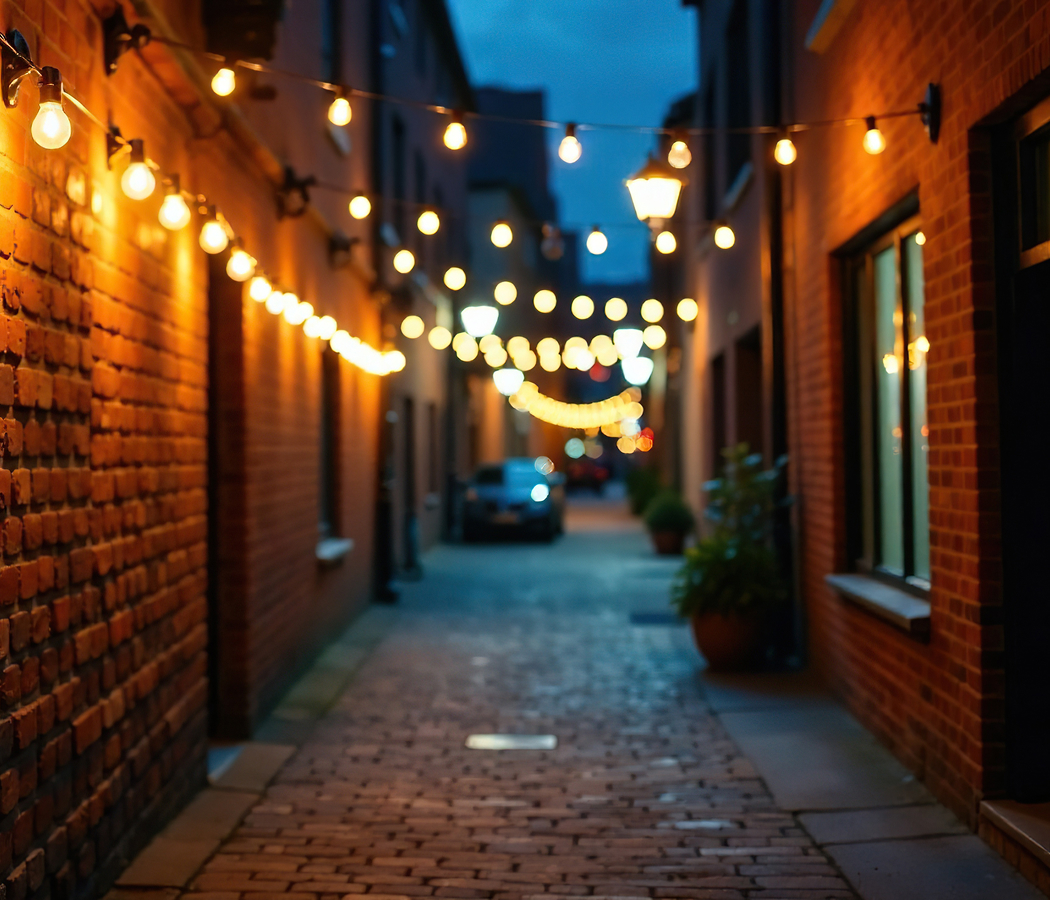
Running through Montrose between Midtown and River Oaks, the corridor weaves together shaded residential blocks, preserved early twentieth-century homes, intimate commercial spaces, and longstanding cultural institutions that reflect one of Houston's most distinctive urban neighborhoods. As the streetscape unfolds, mature live oaks, restored bungalows, brick apartment houses, carefully integrated contemporary architecture, and inviting sidewalks reveal successive layers of craftsmanship and neighborhood character that reward a slower pace. The corridor ultimately reveals a setting where architectural preservation, independent enterprise, and artistic expression exist in remarkable balance, creating an atmosphere that feels unmistakably rooted in Montrose. The result is an experience defined by architectural richness, creative vitality, and one of Central Houston's most memorable corridors.
What you should know about Gillette Street.
Gillette Street is best known for extending through Montrose, a neighborhood established in 1911 by the Houston Land Corporation as an innovative streetcar suburb whose curving streets and landscaped residential blocks departed from Houston's traditional grid. Residential construction surrounding the corridor between the 1910s and 1940s produced enduring examples of Craftsman, Prairie School, Colonial Revival, Tudor Revival, and Mission Revival architecture that continue defining the area's built character through original woodwork, masonry, generous porches, and carefully proportioned streetscapes. During the second half of the twentieth century, Montrose evolved into one of Houston's foremost centers for independent artists, architects, writers, musicians, and preservation advocates, whose contributions reshaped the surrounding neighborhood while protecting much of its historic fabric. Collectively, the corridor's streetcar-era origins, architectural diversity, preservation ethic, artistic influence, and enduring residential continuity establish Gillette Street as one of Houston's defining historic corridors.
Freed-Montrose Library, opened in 1960, preserves extensive local history collections, photographs, manuscripts, and neighborhood archives documenting Montrose's architectural evolution, literary culture, and community development across successive generations. Christ the King Lutheran Church, dedicated in 1940, remains an enduring example of the religious institutions that accompanied Montrose's early residential growth while serving generations of surrounding families through worship, music, and charitable outreach. Westheimer Cemetery, established during the nineteenth century near the corridor's historic setting, preserves the resting places of early Houston residents whose lives demonstrate the rural landscape that preceded Montrose's transformation into an established urban neighborhood. Together, these archival, religious, and historical resources deepen the factual record by documenting the cultural and historical foundations that continue defining Gillette Street.
How to fold Gillette Street into your trip.
Gillette Street works as an exploration of Montrose's architectural character, artistic expression, and neighborhood atmosphere.
Begin at Menil Drawing Institute, where thoughtfully curated exhibitions devoted to drawing establish an intimate introduction to the creative traditions that have long distinguished Montrose while naturally setting the tone for the experience ahead. Continue to Houston Center for Photography, where compelling contemporary exhibitions expand the artistic perspective through visual storytelling before leading naturally toward the neighborhood's architectural centerpiece. Conclude at Rienzi, where refined European decorative arts, elegant interiors, and beautifully composed gardens provide the resonant payoff by revealing the enduring appreciation for craftsmanship and design that echoes throughout the surrounding streets. Together, the sequence progresses from focused artistic study through contemporary visual culture before culminating in a celebration of timeless design that perfectly reflects the character of Gillette Street.
Where your story begins.
Foresyte Travel reveals places that feel extraordinary long before you arrive.
Experience premium editorial crafted for luxury travelers.