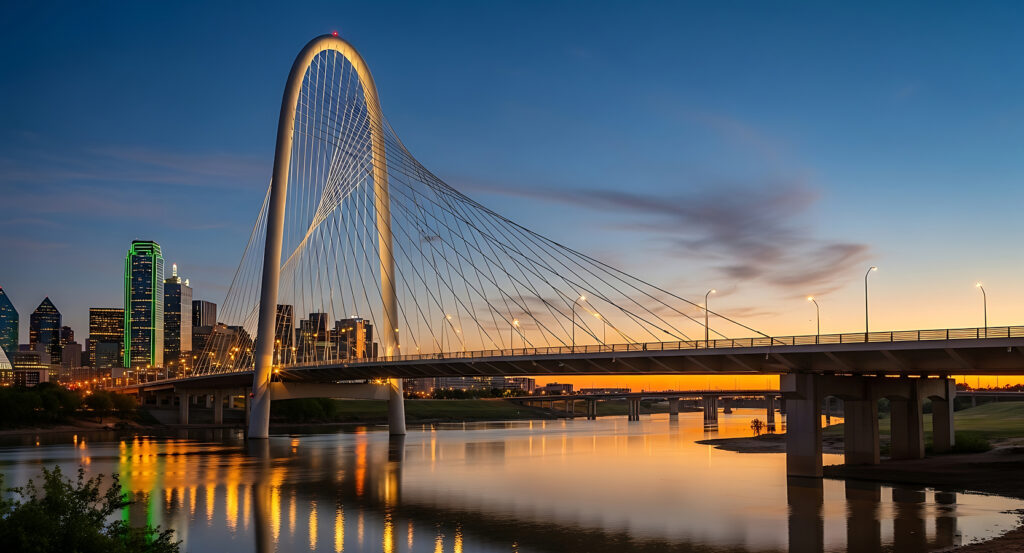
Why you should experience Griffin Street in Dallas, Texas.
Griffin Street is a polished corridor where Downtown's civic ambition, architectural legacy, business prominence, and cultural energy create one of the city's defining urban streets.
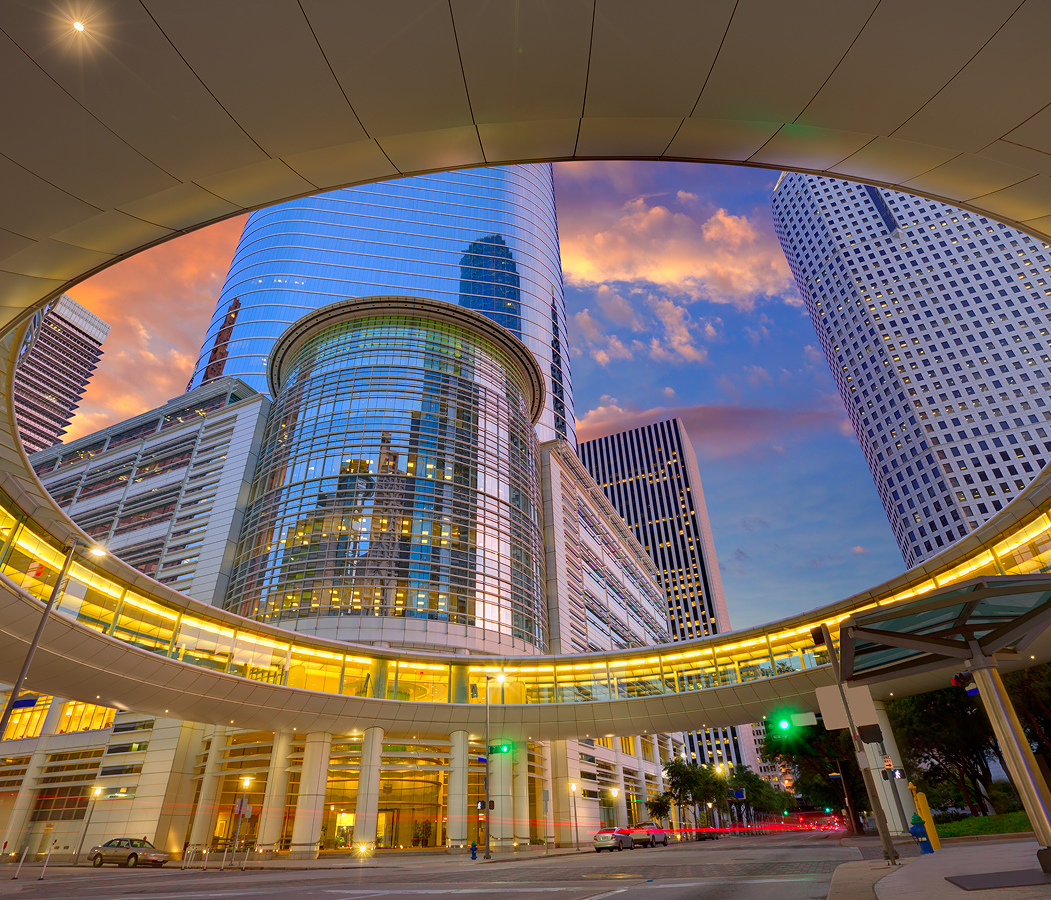
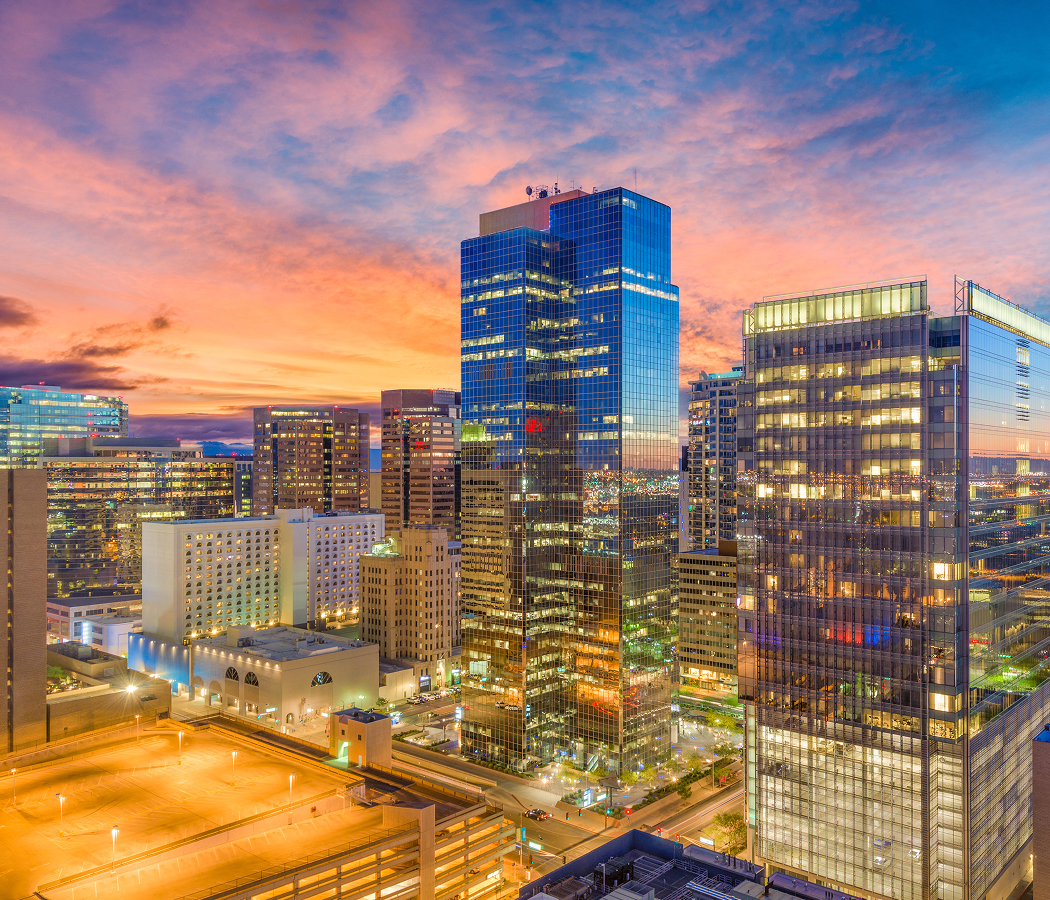
Running through Downtown between the West End Historic District and the Cedars, the corridor links landmark skyscrapers, convention facilities, civic institutions, hotels, and public plazas that reflect more than a century of continuous urban evolution. Each successive block reveals glass towers, granite-clad office buildings, landscaped streetscapes, public art, and generous pedestrian spaces that reinforce the street's unmistakable metropolitan identity. The defining moment arrives as Griffin Street demonstrates how commerce, government, hospitality, and urban reinvestment continue shaping the center of Dallas. The result is an experience defined by architectural confidence, civic prominence, and one of Downtown's most influential corridors.
What you should know about Griffin Street.
Griffin Street is best known for evolving alongside Downtown's emergence as the city's commercial and civic center during the twentieth century, particularly throughout the 1950s, 1960s, 1970s, and 1980s, when successive redevelopment projects transformed the central business district with modern office towers and major public facilities. Construction introduced high-rise office buildings, convention infrastructure, hotels, and institutional facilities utilizing structural steel frames, reinforced concrete construction, curtain-wall glazing, polished granite cladding, aluminum architectural systems, and expansive public plazas that continue defining the corridor's architectural identity. Expansion of the Dallas Convention Center, originally opened in 1957 and substantially enlarged in subsequent decades, reinforced Griffin Street's role as one of the city's principal civic and hospitality corridors. Streetscape improvements incorporated widened sidewalks, decorative lighting, coordinated landscaping, accessible pedestrian crossings, and upgraded public infrastructure that strengthened connections throughout Downtown while supporting increasing pedestrian activity. Continued reinvestment has introduced renovated office towers, hospitality projects, residential development, and public gathering spaces while preserving Griffin Street's importance within the city's central business district. Collectively, the corridor's commercial expansion, civic investment, architectural modernization, and long-term urban planning established Griffin Street as one of Downtown's defining metropolitan corridors.
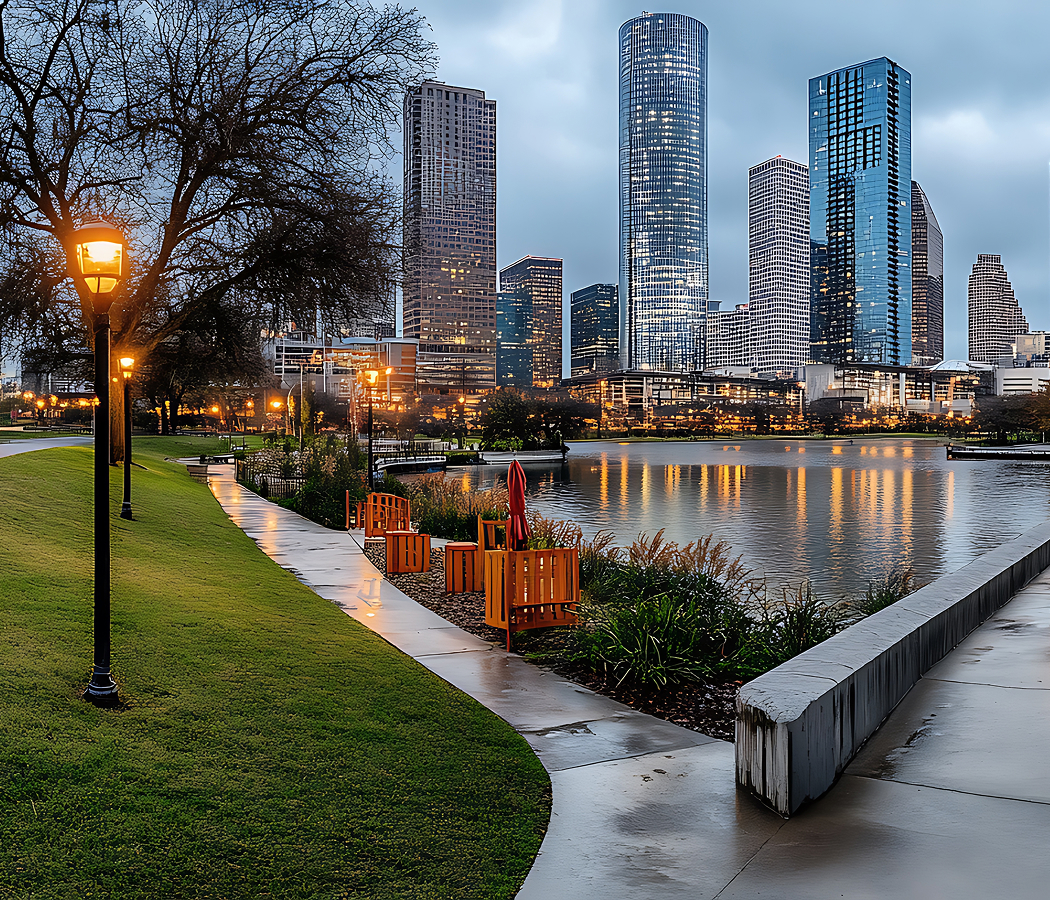
Downtown-Dallas, Inc. continues coordinating streetscape enhancements, public realm improvements, economic development initiatives, and urban programming that reinforce Griffin Street's role within the central business district. The City of Dallas Office of Arts and Culture supports public art installations, cultural programming, and civic placemaking that strengthen the corridor's character while enriching the pedestrian experience throughout Downtown. Street trees including cedar elms, live oaks, ornamental plantings, landscaped medians, granite paving elements, and irrigated planting beds soften the dense urban environment while improving walkability and reinforcing the corridor's visual continuity. Together, these civic organizations, placemaking initiatives, and carefully maintained landscape features demonstrate how Griffin Street continues evolving through coordinated stewardship of both its public spaces and architectural setting.
How to fold Griffin Street into your trip.
Griffin Street works as an exploration of Downtown's civic, architectural, and cultural heart.
Begin at John F. Kennedy Memorial Plaza, where Philip Johnson's contemplative monument establishes the historical context surrounding Griffin Street while naturally introducing Downtown's civic landscape. Continue to Pioneer Plaza, where the celebrated bronze cattle drive and expansive public space deepen appreciation for the city's frontier heritage before guiding the experience toward its architectural conclusion. Conclude at Dallas City Hall, where I. M. Pei's striking modernist design provides the historical payoff by illustrating the civic ambition that has shaped Downtown for generations. The progression moves naturally from remembrance to public art before culminating in one of Dallas' defining civic achievements.
Where your story begins.
Foresyte Travel reveals places that feel extraordinary long before you arrive.
Experience premium editorial crafted for luxury travelers.