Why Hempstead Road matters.
Hempstead Road is a historic Lazybrook-Timbergrove corridor where railroad heritage, industrial enterprise, and modern urban revitalization converge along one of the city's oldest transportation routes.
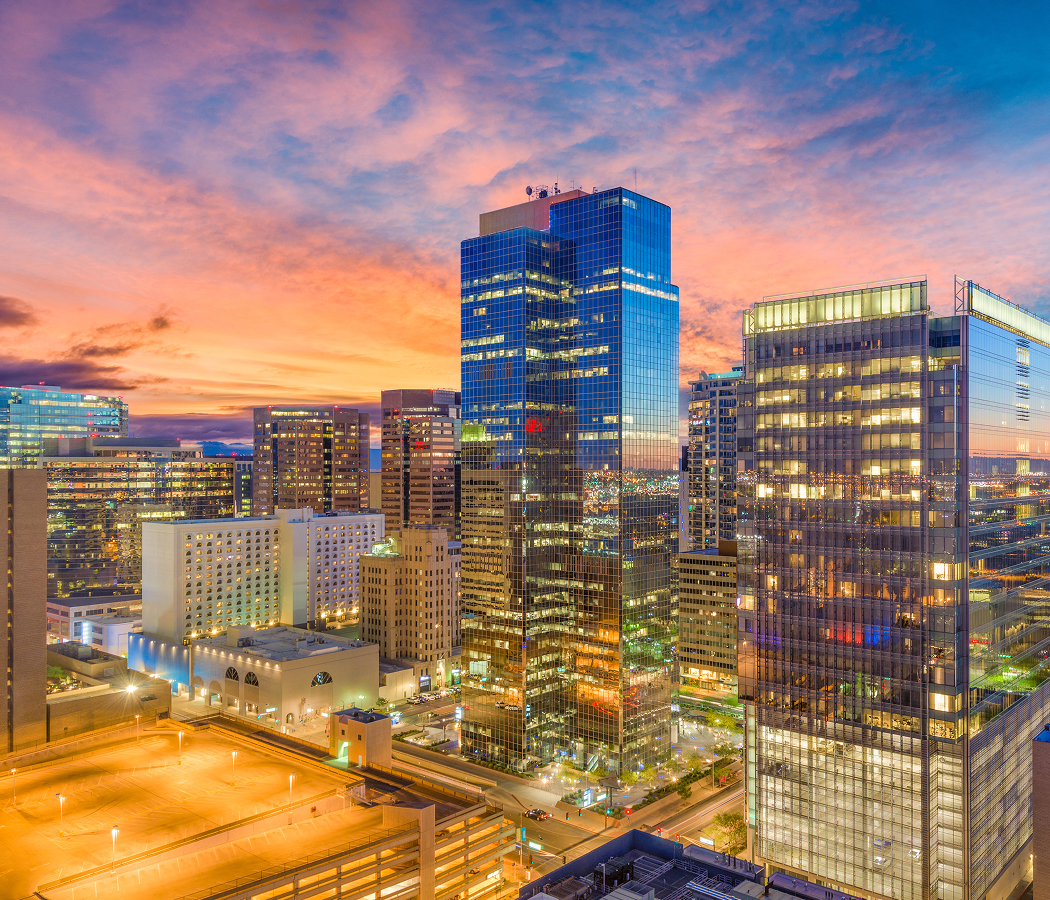
Running through Lazybrook/Timbergrove between Washington Avenue and Northwest Houston, this historic corridor connects railroad landmarks, industrial districts, neighborhood businesses, parks, and evolving commercial centers that chronicle Houston's transformation from a nineteenth-century rail hub into a modern metropolitan economy. Warehouses, adaptive-reuse developments, long-established businesses, and emerging mixed-use projects create a streetscape where the city's industrial foundations remain visible beneath continuing reinvestment. For generations, the road has functioned as a vital commercial artery, carrying people and freight northwest from downtown while shaping the neighborhoods that developed alongside it. The result is a corridor defined by transportation, enterprise, and enduring economic significance.
What defines Hempstead Road.
Hempstead Road is best known for following the route of the Houston and Texas Central Railway, completed from Houston to Hempstead in 1856 as the railroad's first operating segment, establishing one of Texas's earliest and most influential rail connections.
The successful completion of the line marked a turning point in Houston's commercial development, linking the city with agricultural communities to the northwest while laying the foundation for an expanding statewide rail network. As freight traffic and passenger service increased during the second half of the nineteenth century, industries, warehouses, cotton compresses, and commercial businesses clustered along the corridor, transforming the surrounding landscape into one of Houston's principal manufacturing and distribution districts. Although modern transportation has evolved beyond its railroad origins, Hempstead Road continues to trace the historic alignment that helped establish Houston as one of the South's foremost transportation and commercial centers. Few Houston corridors preserve such a direct connection to the infrastructure that launched the city's economic rise.
How Hempstead Road fits.
Hempstead Road works as an exploration of Houston's railroad heritage and industrial evolution.
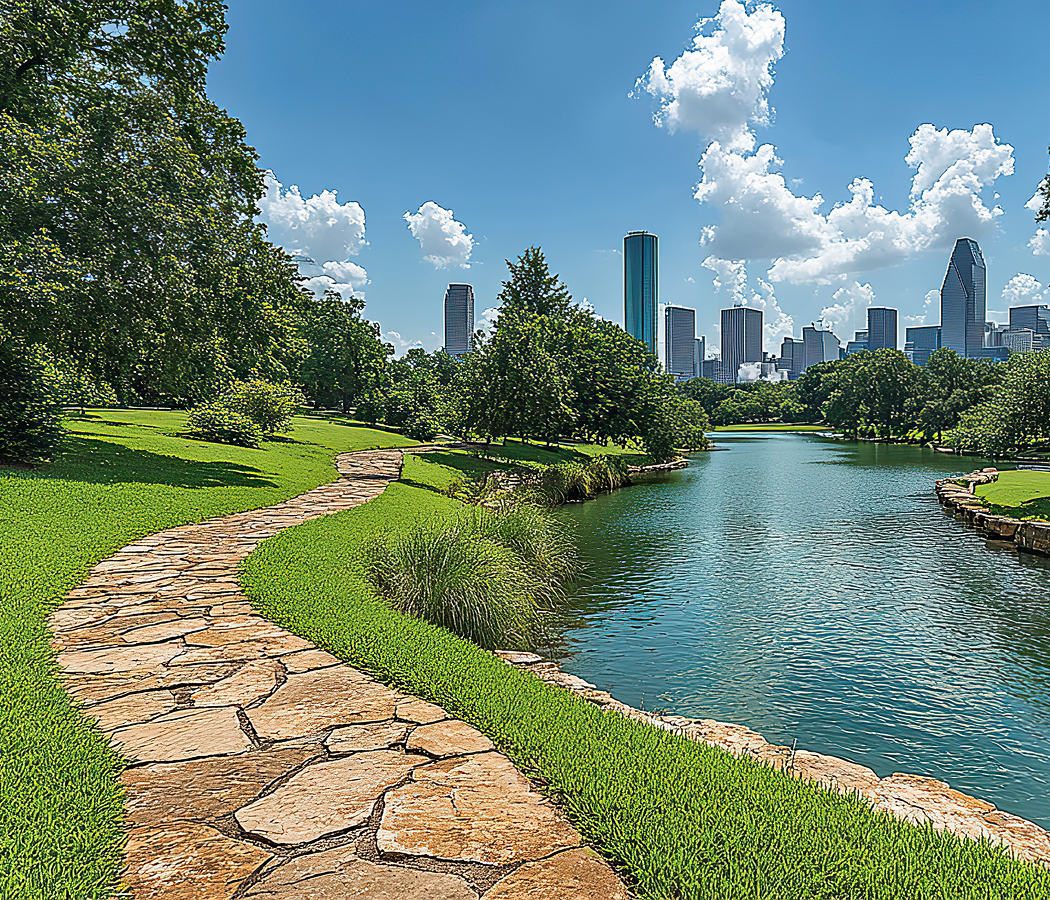
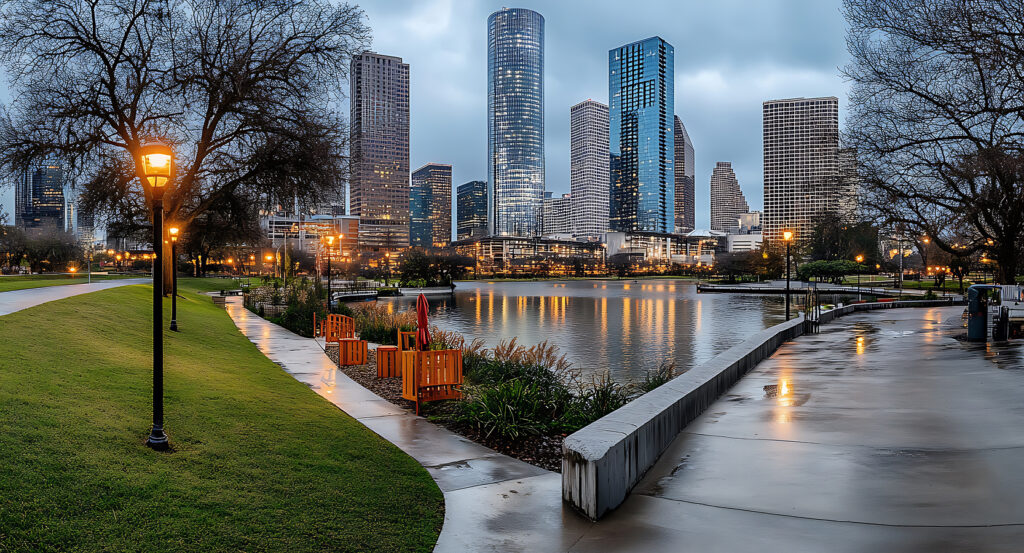
Begin at T.C. Jester Park, where trails and green space provide a peaceful introduction to the neighborhoods shaped by the corridor's historic growth. Continue to Houston Arboretum & Nature Center, whose preserved natural landscapes offer a striking contrast to the industrial history that defined the surrounding area for generations. From there, conclude at The Silos at Sawyer Yards, where former industrial structures have been transformed into one of Texas's largest creative campuses, illustrating the corridor's continuing reinvention. Along the route, historic warehouses, adaptive-reuse developments, neighborhood businesses, public art, and restored industrial buildings reveal how Houston continues to build upon the transportation infrastructure that fueled its earliest expansion. The progression moves naturally from neighborhood park to urban nature preserve before culminating in a celebrated arts destination, revealing why Hempstead Road remains one of Houston's most historically significant corridors.
Where your story begins.
Foresyte Travel reveals places that feel extraordinary long before you arrive.
Enjoy editorial crafted for luxury travelers.
Foresyte may earn a commission when you book.