Why Herb Kelleher Way matters.
Herb Kelleher Way is a landmark Love Field corridor where aviation innovation, transportation history, and commercial enterprise converge along one of the city's most significant streets.
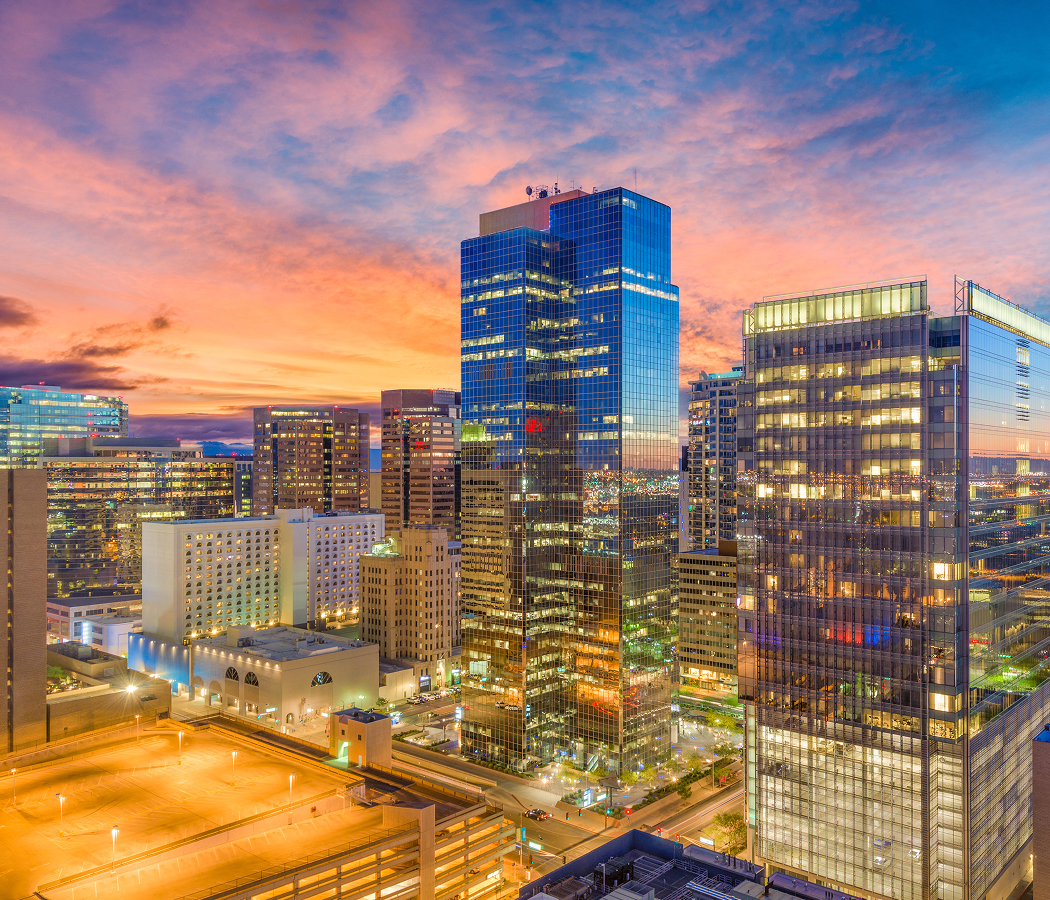
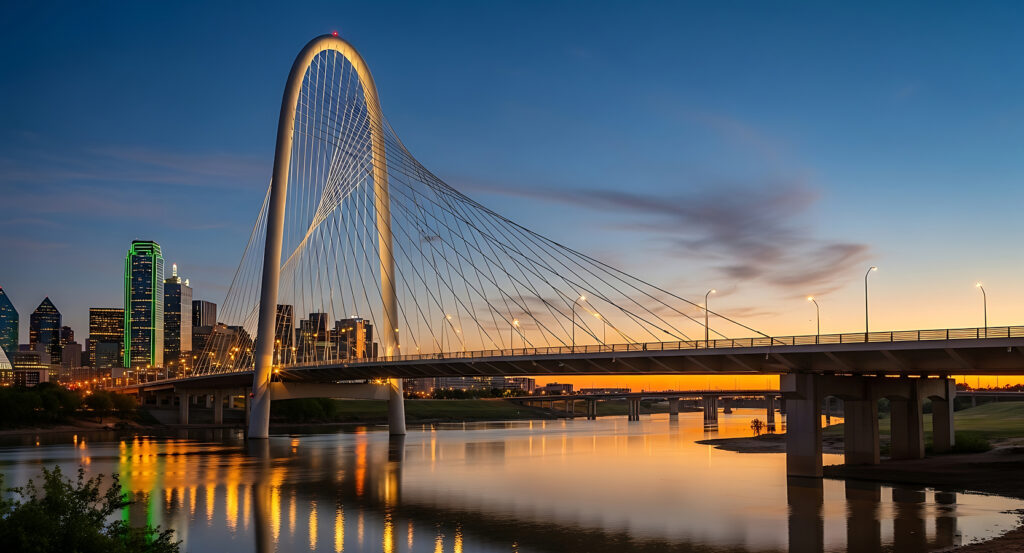
Running through Love Field between Bluffview, the Southwestern Medical District, and the Design District, this prominent corridor connects historic aviation facilities, nationally recognized museums, business centers, airline operations, public art, and welcoming transportation infrastructure that collectively showcase Dallas' enduring influence on American aviation. Contemporary terminal architecture, architecturally significant aviation facilities, thoughtfully designed public spaces, landscaped boulevards, aviation landmarks, thriving commercial destinations, and energetic civic infrastructure create an urban landscape where generations of pilots, entrepreneurs, engineers, airline employees, and travelers have shaped one of North Texas' most influential transportation corridors. Herb Kelleher Way developed alongside Dallas Love Field's expansion before evolving into a defining gateway while preserving its exceptional aviation legacy and enduring civic importance. The result is a corridor defined by aviation excellence, historical significance, and lasting commercial impact.
What defines Herb Kelleher Way.
Herb Kelleher Way is best known for Dallas Love Field, the airport where Southwest Airlines launched commercial service on June 18, 1971, introducing the low cost business model that transformed domestic air travel throughout the United States.
Operating from only three Texas cities during its earliest years, Southwest Airlines rapidly expanded into one of the world's largest carriers through simplified fares, quick aircraft turnaround times, and an innovative point to point route network. Dallas Love Field became synonymous with that transformation, reinforcing Dallas' position as one of America's leading aviation centers while influencing airline economics and passenger travel for generations. Today, the airport continues to serve millions of travelers annually while preserving its place in one of the most influential stories in modern aviation history. That extraordinary aviation legacy has established Herb Kelleher Way as a corridor anchored by one of the nation's most historically important commercial airports.
How Herb Kelleher Way fits.
Herb Kelleher Way works as an exploration of Dallas' aviation heritage, engineering innovation, and scientific discovery.
Begin at Dallas Love Field, where one of America's most historically significant airports immediately establishes the corridor's defining identity. Continue toward the Frontiers of Flight Museum, where remarkable aircraft, spacecraft, and aviation exhibits provide broader perspective on North Texas' extraordinary aerospace heritage. From there, make your way to the Perot Museum of Nature and Science, where Thom Mayne's celebrated contemporary architecture and immersive exhibitions provide a memorable conclusion while showcasing one of Dallas' foremost scientific institutions. Along the route, you'll encounter architecturally significant aviation facilities, welcoming public spaces, thriving cultural destinations, beautifully curated museum collections, celebrated engineering achievements, and energetic civic landmarks that reveal the Love Field district's exceptional depth. The progression moves naturally from the birthplace of Southwest Airlines to a nationally respected aviation museum to a globally recognized science museum, demonstrating how Herb Kelleher Way connects aviation history, community life, and scientific discovery.
Where your story begins.
Foresyte Travel reveals places that feel extraordinary long before you arrive.
Enjoy editorial crafted for luxury travelers.
Foresyte may earn a commission when you book.