Why you should experience Hotel ICON, Autograph Collection in Houston, Texas.
Hotel ICON, Autograph Collection is historic refinement reimagined as contemporary hospitality, a building with soul that extends its architectural legacy into an experience defined by comfort, intelligence, and uniquely Houston character.
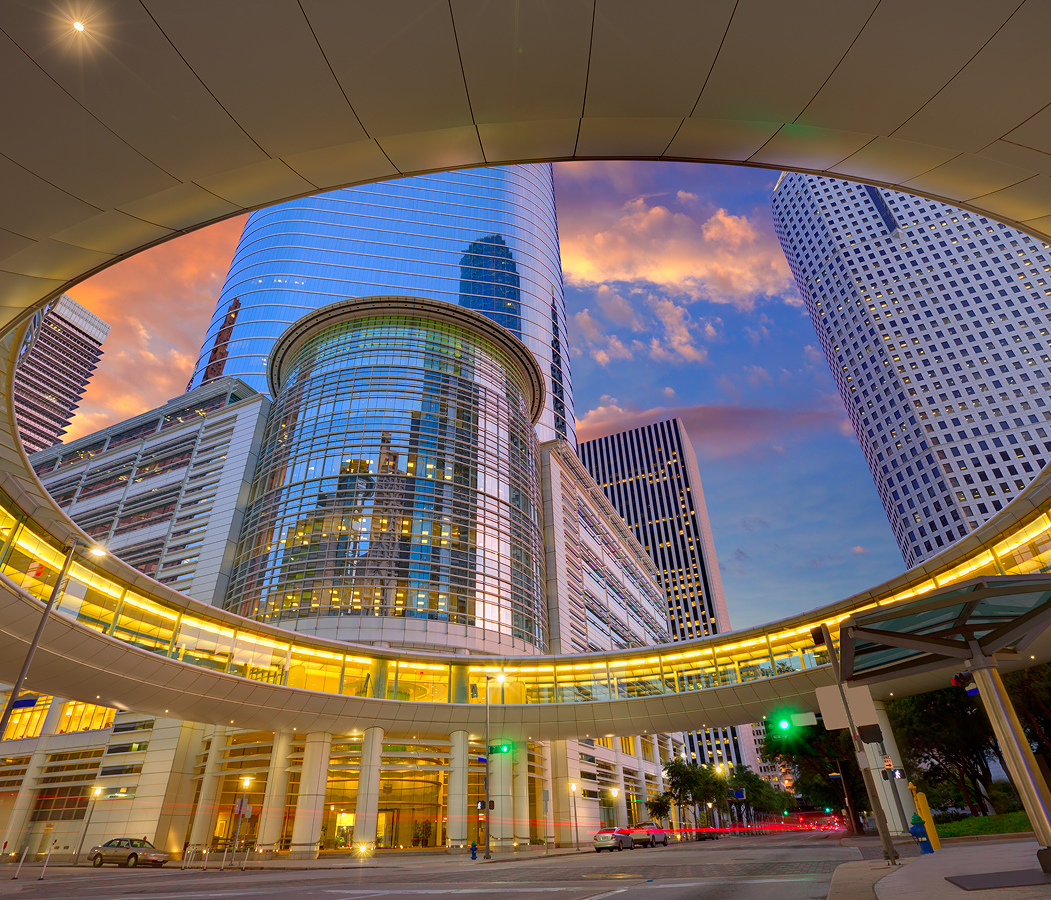
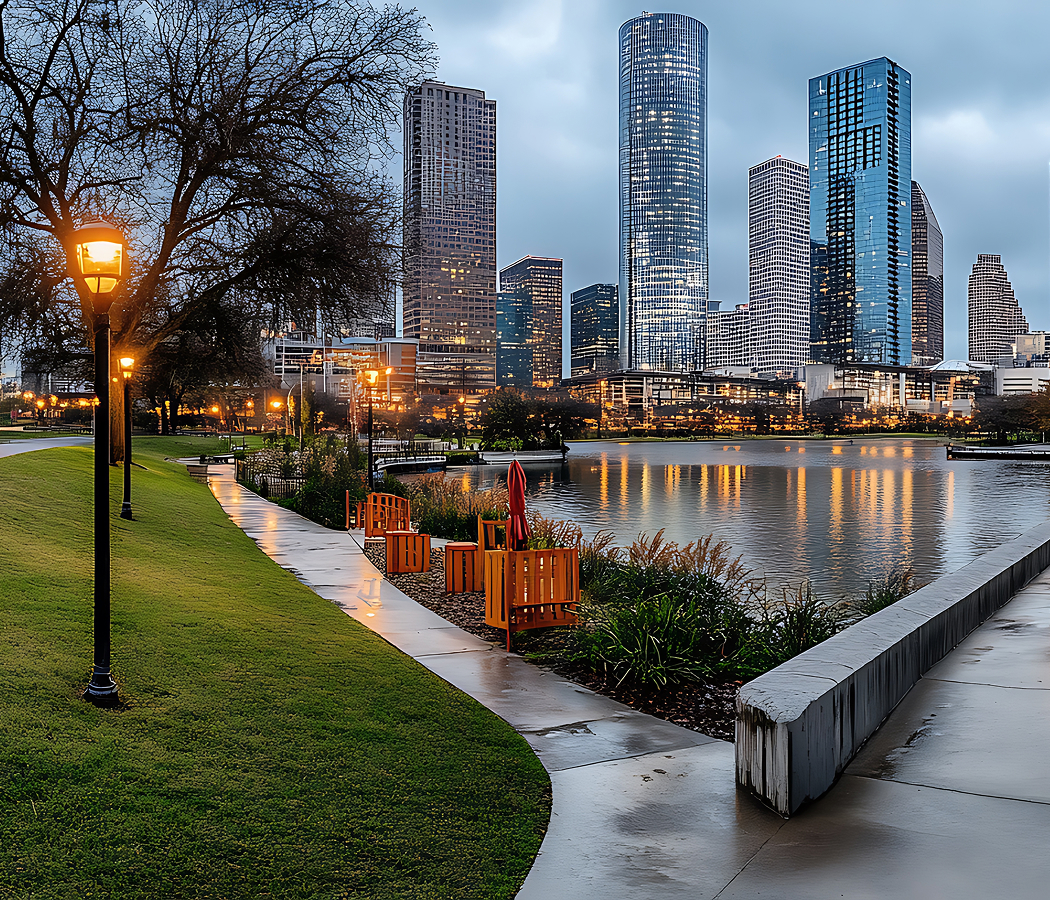
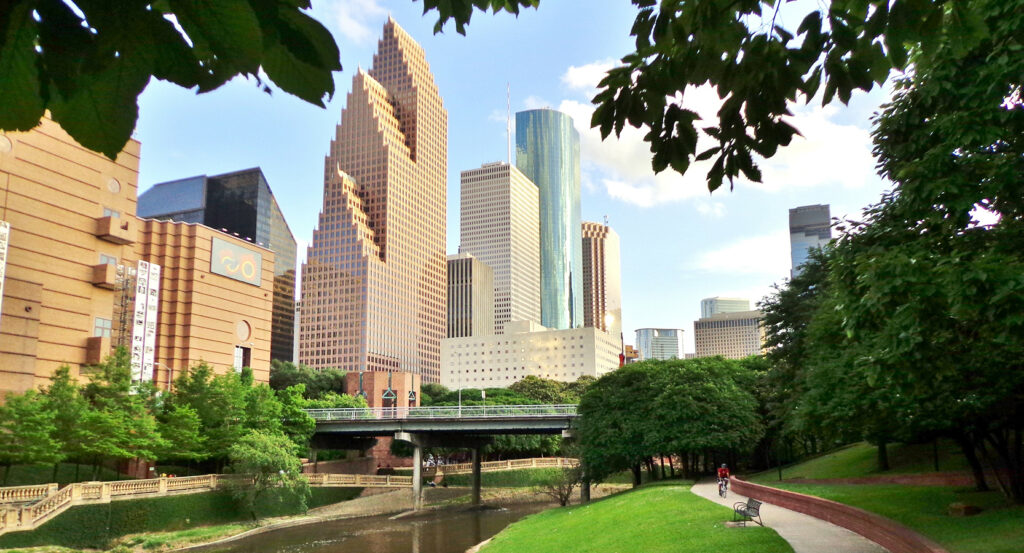
Set in Downtown's energetic central business and cultural district, steps from Daikin Park, the Theater District, the Convention District, and pedestrian-friendly streets lined with cafés, galleries, and historic façades, Hotel ICON stands as a graceful tribute to adaptive reuse and thoughtful design. Arrival feels rooted in place: the exterior's early-20th-century masonry and refined proportions signal architectural dignity, and as you step inside, that legacy continues but with a palpable shift to modern ease. The lobby unfolds with space that feels open yet composed, materials that feel warm rather than decorative, and lighting that supports presence rather than demanding attention. Here you are not moving through transitional corridors styled for impact; you are entering a space organized for calm orientation, quiet exchange, and purposeful connection. Seating areas invite conversation without noise, and lounges feel composed rather than staged, spatial moments that accommodate business planning, reflection, or casual pause without visual clutter. Guest rooms at Hotel ICON extend this layered philosophy into private space with comfort that feels genuinely lived-in and attentive. Layouts are generous and thoughtfully zoned, allowing rest, productivity, and calm to coexist. Beds are deeply comfortable and engineered for restorative sleep, essential after long days exploring Houston's cultural corridors, meeting colleagues, or attending downtown events, wrapped in linens that feel both substantial and inviting. Lighting in the room is layered and adaptive, enabling smooth shifts from daylight productivity to evening tranquility. Windows frame downtown context, historic rooftops, street grids, and glimpses of greenery from nearby parks, anchoring your stay in place rather than detaching you from the city's pulse. Bathrooms are modern yet purposeful, with finishes that feel tactile and thoughtful: intuitive fixtures, ample counter space, strong water pressure, and designs that support real routines. Sound control is well-executed, preserving interior calm while preserving a sense of connection to the urban rhythm beyond. Service at Hotel ICON is polished, warm, and situationally aware. Interactions with staff feel genuinely helpful, recommendations are tied to local patterns rather than generic lists, timing guidance accounts for downtown movement, and dining tips align with your pace rather than a one-size-fits-all approach. Assistance feels like contextual insight. Staying here feels like choosing architectural depth over superficial flash, contextual engagement over placeless comfort, and a hotel that supports how you inhabit a city rather than how you merely pause within it, making Hotel ICON, Autograph Collection a compelling base for travelers seeking resonant coherence, thoughtful design, and meaningful presence in Houston.
What you should know about Hotel ICON, Autograph Collection.
Hotel ICON's character is best known for an architectural legacy and adaptive reuse philosophy that embraces history as structural intelligence rather than nostalgic ornament, and that foundation profoundly informs how the space feels, functions, and sustains comfort over time.
Originally constructed in 1911 as the Union National Bank Building, the structure was designed with the solidity, scale, and material integrity characteristic of early skyscraper architecture, proportions, column rhythms, window placement, and masonry presence that speak to permanence. When transformed into a hotel, designers preserved and translated these architectural bones rather than obscuring them, resulting in environments where original scale and proportion meet modern comfort systems with clarity and quiet intelligence. Public areas retain a sense of architectural continuity that feels stable rather than staged: ceilings that feel proportionate rather than cavernous, sightlines that guide rather than disorient, and materials selected for tactile warmth rather than ephemeral effect. This approach creates spaces that feel alive with use because they are designed for occupancy and human cadence. Guest rooms reflect this character even more clearly. Instead of layering decorative cues that compete for attention, these spaces prioritize how people actually live in them: outlets and lighting placed where they support actual use, storage that accommodates routines rather than token inclusion, and circulation paths that feel intuitive rather than contrived. Climate systems are calibrated for quiet, consistent performance, letting comfort remain steady night after night. Bathrooms follow this operational logic with finishes that feel substantial under touch, layouts that support ritual rather than disrupt it, and fixtures designed for ease rather than ornament alone. This disciplined approach to design and performance becomes especially meaningful on extended stays or multi-purpose trips when comfort must accumulate rather than evaporate after a first impression. The hotel's Houston downtown location further reinforces this identity. You are not placed on the fringe of activity; you are embedded within the city's connective core. Cultural institutions, theaters, sports venues, galleries, transit hubs, and historic streets unfold outward with coherence rather than displacement, making movement between destinations feel additive rather than fragmented. Staff culture mirrors this grounded orientation. Service is delivered with local fluency rather than rehearsed hospitality language, directions account for downtown dynamics, timing suggestions reflect real downtown flow, and dining or cultural pointers match your pace and interests rather than generic checklists. Conversations feel informed. In a hospitality landscape often polarized between performance and generic uniformity, Hotel ICON stands apart by committing to architectural purpose and operational coherence as its defining identity, proving that comfort grounded in place and history feels deeper, steadier, and more emotionally resonant than superficial design alone.
How to fold Hotel ICON, Autograph Collection into your trip.
Hotel ICON works as a spatial anchor and narrative lens, a place that makes Houston's downtown feel navigable, textured, and personally significant.
Mornings here begin with intention. Step outside and you are immediately within walking distance of Houston's civic and cultural grid, Daikin Park, Discovery Green, the Theater District, and pedestrian pathways that connect museum corridors and neighborhood cafés. Morning exploration can unfold with architectural walks, urban observations, and neighborhood coffee rituals. Midday returns to the hotel feel restorative. The composed interiors, calm, coherent, and thoughtfully designed, allow experiences to settle rather than stack, giving you space to reset before the afternoon segment. This pause becomes part of your rhythm. Afternoons can deepen into broader cultural exploration, long lunches in local favorites, museum wings that reward lingering attention, architectural tours through historic streets, or neighborhood strolls that feel additive. Because the hotel sits at a connective downtown node rather than an isolated edge, each segment of your day flows into the next without cognitive friction. Evenings resolve into continuity. Whether you dine at refined restaurants, attend performances, or explore nightlife streets, returning to the hotel feels like entering coherence. The environment supports decompression without detachment, enabling reflection rather than rush. Over multiple nights, familiarity becomes an asset. You begin to recognize patterns, which corridors feel calmest at dusk, which cafés align with your morning pace, which transit routes save time, and your movement feels guided by experience. Extended stays reveal the hotel's deepest contribution: resonant continuity and contextual cohesion. Houston stops feeling like a series of isolated destinations and becomes a coherent environment with rhythm, texture, and personal resonance.
Where your story begins.
Foresyte Travel reveals places that feel extraordinary long before you arrive.
Experience premium editorial crafted for luxury travelers.