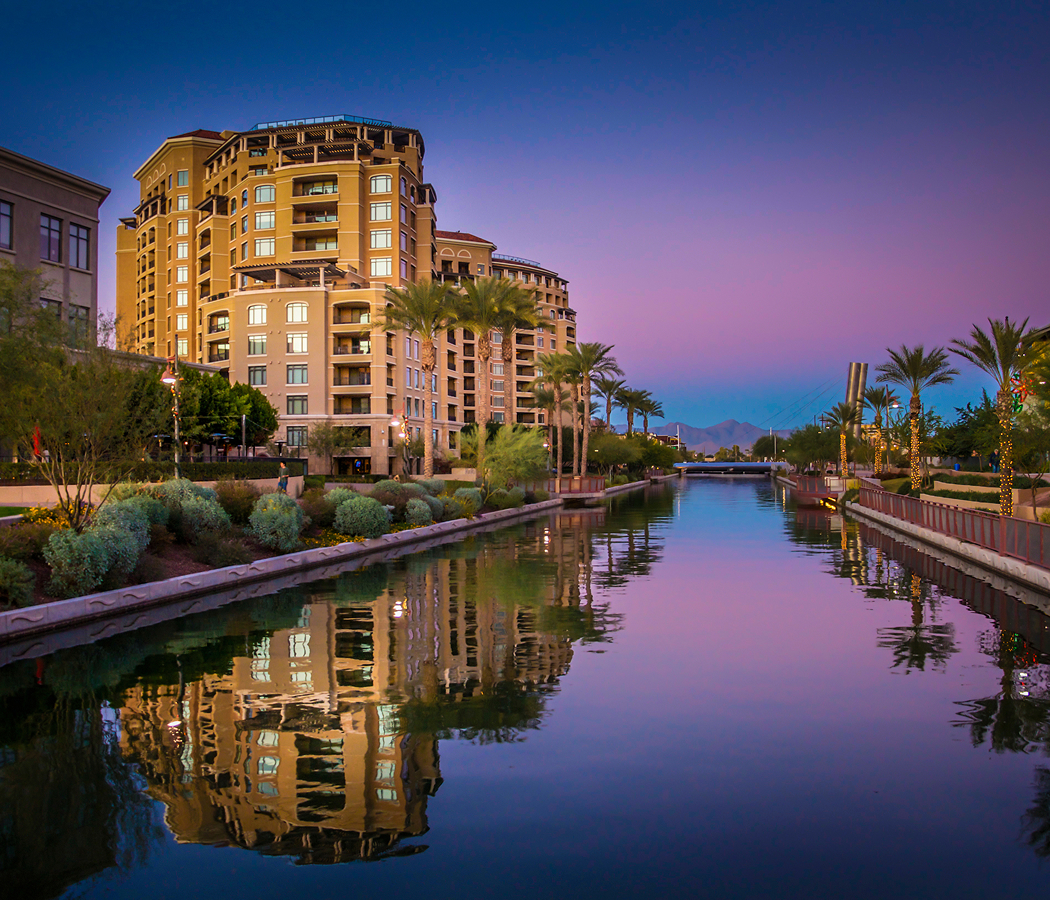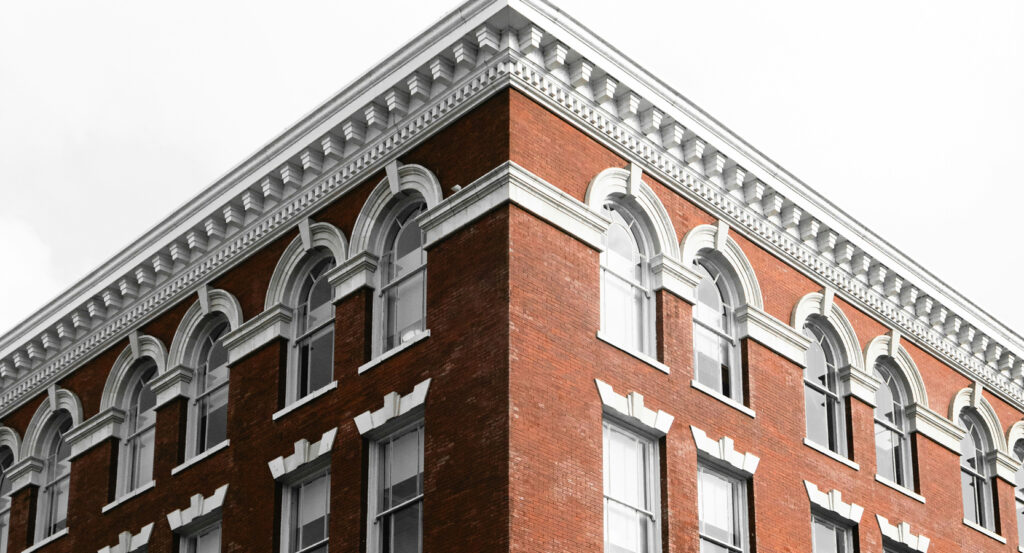
Why you should experience Hyatt Regency New Orleans in New Orleans, Louisiana.
Hyatt Regency New Orleans is New Orleans experienced as scale with composure, where the city's intensity is met with spatial clarity, operational strength, and a sense of order that allows movement, recovery, and momentum to coexist.
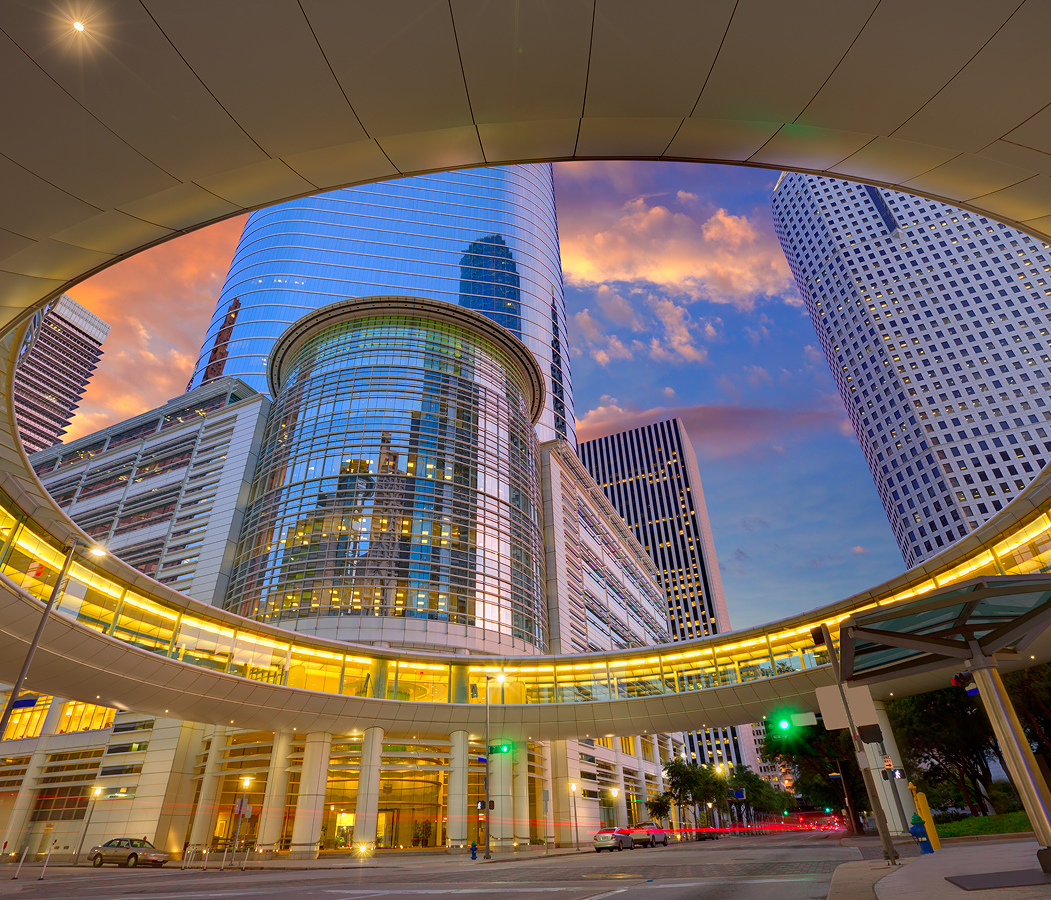
New Orleans can feel overwhelming when approached without structure, and this is where Hyatt Regency New Orleans distinguishes itself. Positioned adjacent to the Superdome and firmly within the Central Business District, the hotel operates as a stabilizing force in a city defined by physical density. Arrival is decisive and efficient. The building's modern exterior communicates scale and intention without ornament, and the transition from street to lobby feels purposeful rather than ceremonial. Check-in unfolds with precision and pace, setting expectations clearly: this is a property built to support large flows of people. The lobby establishes the hotel's character in one gesture, open, expansive, and navigable. Sightlines are long and legible, allowing you to understand the space. Public areas are organized to absorb volume without noise, offering seating zones that support regrouping, conversation, or pause without crowding. The architecture favors horizontal spread and vertical openness, creating an environment that feels breathable even at peak occupancy. Movement through the hotel is intuitive, guided by layout rather than signage, reinforcing a sense of control in a city that often resists it. Guest rooms extend this compositional logic into private space. Rooms are generous in size and designed for real use, balancing comfort with function. Beds are deeply supportive, engineered for recovery after long days shaped by walking, meetings, or late nights. Furnishings are streamlined and durable, chosen to support repeated use. Lighting is layered and adaptable, allowing rooms to feel restorative at night and efficient during the day. Large windows frame expansive city views, skyline, stadium, and the grid of New Orleans below, offering orientation and scale. Sound management is deliberate, ensuring that even during citywide events, rest remains intact. Dining and social environments within Hyatt Regency New Orleans are integrated into the hotel's operational rhythm. Restaurants and bars are designed to handle volume with consistency, providing reliable nourishment and social ease without competing with the city's culinary narrative. Breakfast service is structured and efficient, enabling guests to move into their day. Shared spaces such as lounges, work areas, and fitness facilities function as extensions of daily routine. Service throughout the property reflects a high-functioning operational culture. Interactions are professional, responsive, and timing-aware, shaped by an understanding that guests here often operate on schedules. Staff excel at clarity, directions, logistics, transitions, ensuring that movement through the city feels manageable. Amenities, including extensive meeting facilities and wellness spaces, reinforce the hotel's character as an infrastructure hub. Step outside and New Orleans presents itself with range.
What you should know about Hyatt Regency New Orleans.
Hyatt Regency New Orleans is designed around a philosophy of urban infrastructure hospitality, where scale, circulation, and service are engineered to reduce friction.
The property's layout prioritizes flow and orientation, allowing large volumes of guests to move. Public spaces are proportioned to absorb activity while preserving calm, a balance achieved through architectural clarity. Guest rooms emphasize spatial efficiency and comfort, creating environments that support rest, work, and transition with minimal cognitive load. Materials throughout the hotel are selected for durability and cohesion, reinforcing a sense of reliability and continuity. The hotel's location within the Central Business District is central to its identity, placing guests at a crossroads of commerce, culture, and transit while maintaining distance from the city's most compressed zones. Service culture mirrors this structural intent. Hospitality here is procedural, anticipatory, and grounded in logistics, ensuring that guest needs are addressed with speed and precision. The result is a hotel that feels steady and operationally robust, offering a version of New Orleans framed by clarity and control.
How to fold Hyatt Regency New Orleans into your trip.
Hyatt Regency New Orleans works best when you treat it as your command center, the place that gives New Orleans scale.
Begin your stay by orienting yourself to the hotel's internal rhythm, understand key access points, dining options, and transit routes before heading out. Use mornings for structured exploration: walk toward the Warehouse District, ride transit lines, or explore nearby cultural venues while the city feels legible. Midday returns to the hotel feel efficient and grounding, offering space to regroup before the next phase of your day. Afternoons can extend into meetings, events, or neighborhood exploration. Evenings are best approached with intention, engage the city where energy aligns, then return when momentum peaks. On your final morning, departure feels organized and complete, shaped by the sense that you experienced New Orleans with command and confidence because your base supported movement, recovery, and continuity.
Where your story begins.
Foresyte Travel reveals places that feel extraordinary long before you arrive.
Experience premium editorial crafted for luxury travelers.