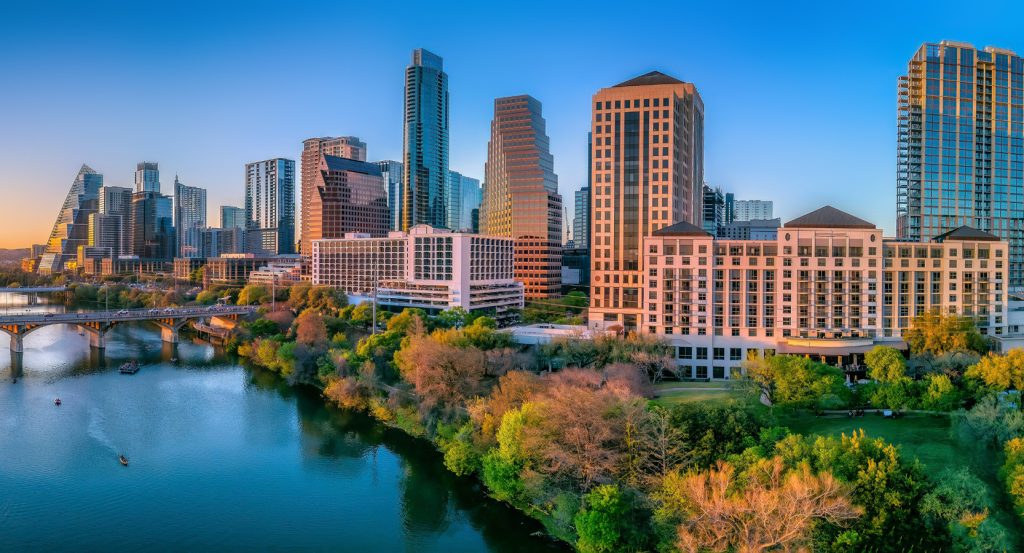
Why you should experience Josephine Street in Austin, Texas.
Josephine Street is a charming Central Austin corridor where historic neighborhoods, architectural heritage, and local culture converge along one of the city's most picturesque residential streets.
Running through Clarksville between Old West Austin and Tarrytown, this tranquil corridor connects beautifully preserved historic homes with architecturally significant community landmarks, celebrated neighborhood parks, thriving local businesses, welcoming tree-lined streets, and enduring cultural institutions that collectively showcase Austin's remarkable blend of nineteenth-century heritage and contemporary neighborhood life. Mature live oaks, thoughtfully restored residences, energetic community gathering places, celebrated local restaurants, flourishing independent businesses, and enduring neighborhood traditions create an environment where generations of families, artists, entrepreneurs, residents, and visitors have experienced one of Central Texas's defining historic corridors. Josephine Street continues to preserve the distinctive character of Clarksville while strengthening connections between Austin's oldest neighborhoods and its evolving urban core. The result is a corridor defined by architectural distinction, neighborhood vitality, and lasting historical significance.
What you should know about Josephine Street.
Josephine Street is best known for running through Clarksville, among the oldest surviving freedmen's communities west of the Mississippi River, preserving an extraordinary legacy of African American homeownership, community leadership, and neighborhood resilience dating to the Reconstruction era.
Founded in 1871 by formerly enslaved man Charles Clark, Clarksville became one of Austin's earliest self-established African American communities, where generations of residents built churches, schools, homes, and businesses despite decades of segregation and redevelopment pressure. Extensive preservation efforts have protected many of the neighborhood's historic structures while recognizing its exceptional importance to Texas history. Today, Clarksville remains one of Austin's most culturally significant historic districts, reinforcing the city's commitment to preserving its diverse heritage. That extraordinary historical legacy has established Josephine Street as one of the city's most meaningful neighborhood corridors.
How to fold Josephine Street into your trip.
Josephine Street works as an exploration of Austin's historic neighborhoods, cultural heritage, and local parks.
Begin along Josephine Street, where the beautifully preserved residential streetscape immediately establishes the corridor's defining identity. Continue toward the Clarksville Historic District, where one of Texas's most historically significant African American neighborhoods provides broader perspective on the street's extraordinary cultural legacy. From there, make your way to West Austin Neighborhood Park, where shaded green space, community amenities, and nearby historic streets provide a memorable conclusion while celebrating Central Austin's enduring blend of history, recreation, and neighborhood life. Along the way, you'll encounter architecturally significant historic homes, welcoming community spaces, thriving local businesses, beautifully preserved streetscapes, celebrated cultural landmarks, and energetic gathering places that reveal Clarksville's exceptional depth. The progression moves naturally from a defining residential corridor to a nationally significant historic district to a beloved neighborhood park, demonstrating how Josephine Street connects community heritage, historical discovery, and urban exploration.
Where your story begins.
Foresyte Travel reveals places that feel extraordinary long before you arrive.
Experience premium editorial crafted for luxury travelers.