Why Lagoon Restaurant at The St. Regis Bora Bora Resort matters.
Lagoon Restaurant at The St. Regis Bora Bora Resort is an elegant overwater dining destination where Motu Ome'e's sheltered lagoon meets the French culinary heritage of Jean-Georges Vongerichten, Polynesian seafood traditions and an architectural setting overlooking Bora Bora's volcanic interior.
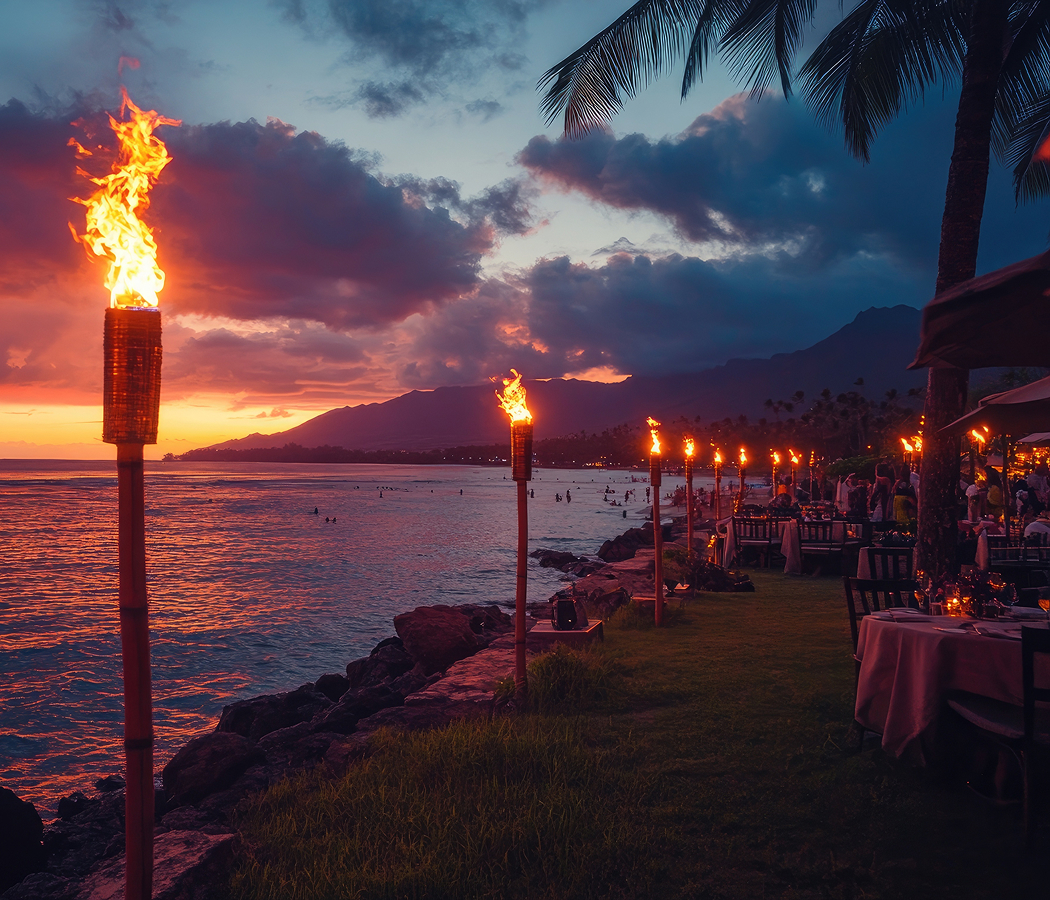
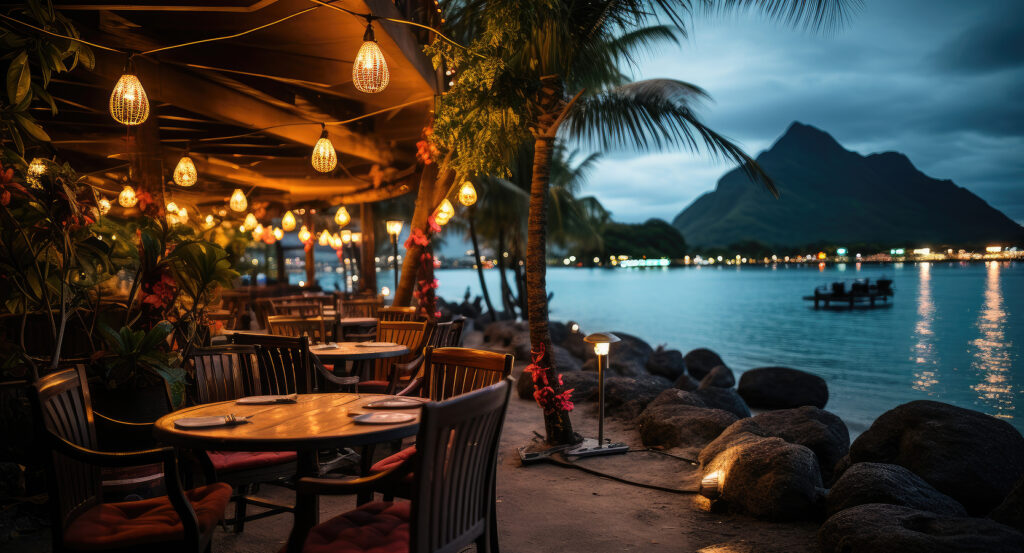
Positioned along the western waterfront of The St. Regis Bora Bora Resort on Motu Ome'e, the restaurant occupies a timber-supported structure extending above the lagoon, with panoramic glazing directed toward Mount Otemanu and the island's mountainous shoreline across an expanse of sheltered turquoise water. Its dining room incorporates substantial windows, polished timber finishes and glass floor panels overlooking the marine environment. An adjoining terrace places outdoor tables directly above the water, with unobstructed views of the volcanic peaks. The elevated structure separates the dining area from the surrounding resort pathways and landscaped grounds. The result is an intimate waterfront restaurant whose architecture, culinary history and direct relationship with Bora Bora's lagoon distinguish it within French Polynesia's resort dining landscape.
What defines Lagoon Restaurant at The St. Regis Bora Bora Resort.
Lagoon Restaurant at The St. Regis Bora Bora Resort is best known for its association with French chef Jean-Georges Vongerichten, its overwater dining room and its longstanding combination of French, Asian and Polynesian culinary influences. The restaurant originated with the development of The St. Regis Bora Bora Resort, which opened in 2006 on a private coral islet along the island's eastern reef. The project introduced the St. Regis brand to French Polynesia during a period of substantial investment in Bora Bora's luxury resort industry. Its waterfront restaurant became the property's principal fine-dining establishment, occupying a prominent position overlooking the lagoon. Jean-Georges Vongerichten brought an established international culinary career to the original restaurant concept. Born in Alsace in 1957, Vongerichten trained in France before developing extensive professional connections with Asian cooking during assignments in Bangkok, Singapore and Hong Kong. His international career included collaborations with chef Louis Outhier, whose classical French training influenced his early development. Vongerichten subsequently established restaurants in New York, where his use of Asian seasonings, fresh herbs and concentrated vegetable preparations became central to his cooking. The opening of Jean-Georges in Manhattan in 1997 strengthened his international reputation and expanded the commercial reach of his restaurant group. Lagoon's original association with Vongerichten introduced this culinary background to a setting defined by Pacific seafood and Polynesian ingredients. Early menus combined fish preparations with sesame, coconut, tropical fruit and Southeast Asian aromatics. The restaurant's grilled mahi-mahi with white sesame vinaigrette and marlin in coconut-lemongrass broth demonstrated the connection between local marine products and Asian-inspired preparations. Its culinary reputation developed alongside the expansion of international tourism to Bora Bora, attracting diners from other island resorts as well as the St. Regis property. In 2023, the resort organized a culinary collaboration with Paris's Hôtel de Crillon, bringing visiting culinary talent to Lagoon as part of a broader series of special dining events. The restaurant subsequently adopted the simpler public-facing name Lagoon Restaurant, retaining its position as the resort's signature overwater dining establishment. Its current culinary direction emphasizes French cooking, seasonal produce, locally sourced seafood and selected Polynesian ingredients.
Jean-Georges Vongerichten's original cooking established the restaurant's distinctive culinary foundation through precise seafood preparations, concentrated sauces and the integration of French techniques with Asian seasonings. The combination developed from his professional experience across Europe and Southeast Asia, where aromatic ingredients became central to his approach to balancing acidity, sweetness and heat. Early Lagoon preparations included bacon-wrapped shrimp accompanied by papaya and passion-fruit mustard, pairing rich seafood with tropical acidity. Grilled fish received sesame-based vinaigrettes, introducing nutty depth and contrasting textures through fresh vegetables. Coconut and lemongrass appeared in seafood broths, connecting Pacific ingredients with Southeast Asian aromatic traditions. These preparations established an approach suited to Bora Bora's marine setting and the availability of tropical produce. The restaurant's contemporary menus continue to emphasize fresh catches and ingredients associated with French Polynesia. Tahitian vanilla provides a regional aromatic ingredient, introducing floral sweetness into selected savory and dessert preparations. Locally caught fish forms an important part of the culinary offering, connecting dinner service with the surrounding Pacific waters. French culinary techniques provide the foundation for composed plates, sauces and carefully sequenced courses. The restaurant accommodates both à la carte dining and tasting-menu formats, allowing different approaches to its seasonal selections. Wine service contributes an established European dimension to the meal, with pairings selected to complement seafood and more substantial preparations. The dining room's glass panels provide views into the water beneath the building, where marine life passes through the surrounding lagoon. Sunset service places the changing light across the volcanic shoreline directly within the restaurant's visual setting. The adjoining terrace extends this relationship outdoors, combining evening dining with uninterrupted views across the water. Its enduring culinary character rests upon the relationship between French restaurant traditions, Polynesian ingredients and the distinctive geography of Bora Bora.
How Lagoon Restaurant at The St. Regis Bora Bora Resort fits.
Lagoon Restaurant at The St. Regis Bora Bora Resort works as the culinary centerpiece for a Bora Bora outing connecting the island's inhabited waterfront, its ancient volcanic landscape and the coral ecosystems that sustain the surrounding lagoon.
Begin at Vaitape, the island's principal settlement and commercial harbor on Bora Bora's western coast. The village serves as the administrative and transportation center, with ferry services connecting the main island to the airport and surrounding maritime routes. Shops, restaurants and community facilities occupy the waterfront, maintaining the harbor's importance within the local economy. Its position beside the lagoon provides views toward the mountainous interior and the surrounding reef. Vaitape's streets introduce the commercial and residential life that continues alongside Bora Bora's international resort industry. Continue to Mount Otemanu, the jagged volcanic summit dominating the island's central mountain mass. Rising 727 meters above sea level, the peak preserves the eroded remains of Bora Bora's ancient volcanic structure. Its steep basaltic cliffs and exposed ridges reveal the geological processes responsible for the island's formation. Tropical vegetation covers portions of the lower slopes, contrasting with the exposed rock above. The mountain's distinctive silhouette provides a geographical reference across the lagoon, connecting the surrounding coastal settlements with the volcanic foundations of the Society Islands. Conclude at Matira Beach, the publicly accessible shoreline occupying Bora Bora's southern peninsula. Its pale coral sand descends gradually into sheltered turquoise water, creating broad swimming areas protected by the surrounding reef system. Coconut palms border sections of the shoreline, with coastal restaurants and local establishments extending along the adjoining road. The beach's western orientation provides expansive sunset views across the lagoon. Its accessible waterfront preserves an important connection between Bora Bora's residential communities and the marine environment that supports the island's recreational economy. The progression moves from Vaitape's maritime community through Mount Otemanu's volcanic geology and culminates at Matira Beach's sheltered shoreline, connecting Lagoon Restaurant with the cultural and natural foundations of Bora Bora.
Where your story begins.
Foresyte Travel reveals places that feel extraordinary long before you arrive.
Enjoy editorial crafted for luxury travelers.
Foresyte may earn a commission when you book.