Why Lamar Street matters.
Lamar Street is a landmark Downtown corridor where civic history, architectural innovation, and urban vitality converge along one of the city's most influential streets.
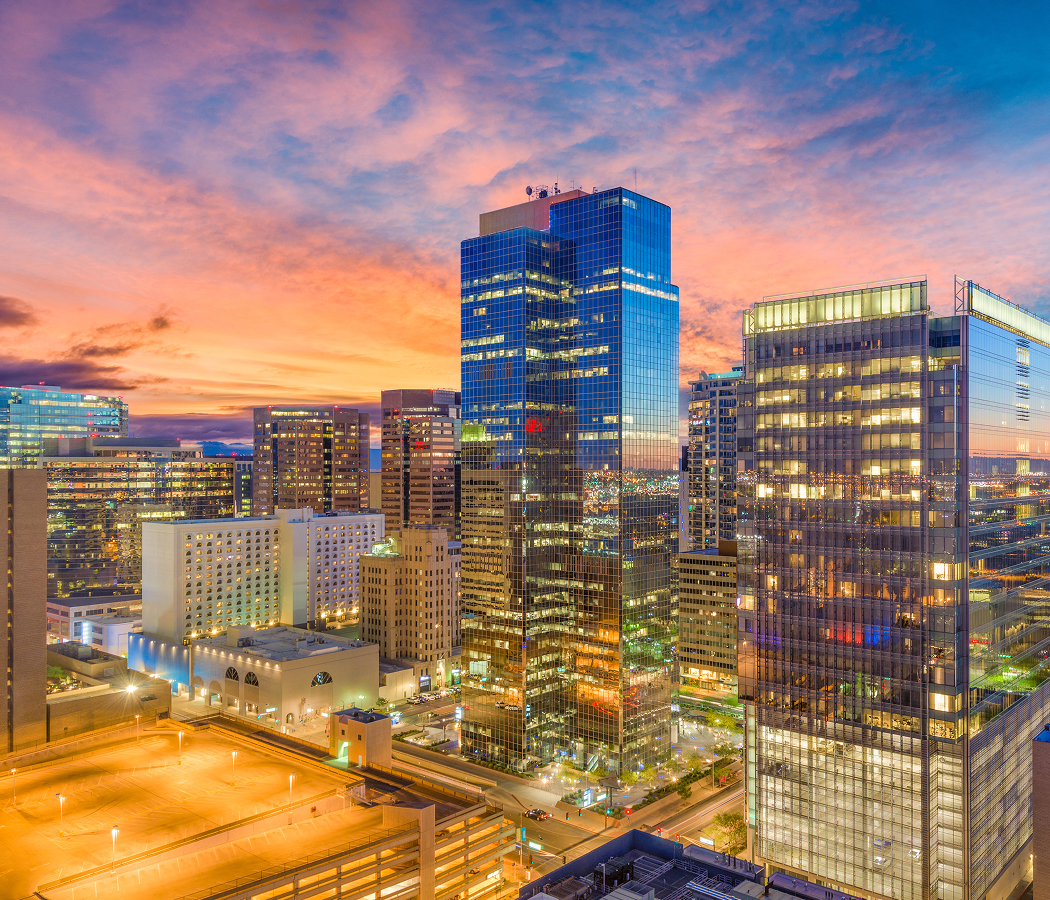
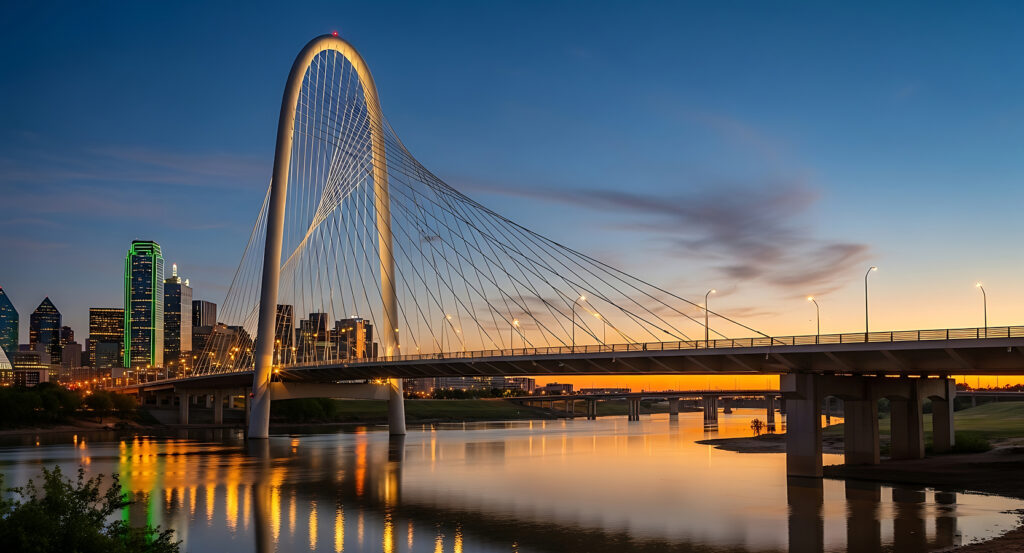
Running through Downtown between the West End Historic District, the Cedars, and the Main Street District, this historic corridor connects nationally significant museums, landmark skyscrapers, restored commercial buildings, performance venues, neighborhood restaurants, and welcoming pedestrian spaces that collectively showcase Dallas' remarkable urban evolution. Early twentieth century commercial buildings, architecturally significant towers, beautifully restored historic landmarks, landscaped plazas, public art, energetic cafés, and thriving gathering places create an urban landscape where generations of entrepreneurs, architects, civic leaders, artists, and residents have shaped one of North Texas' defining urban corridors. Lamar Street developed as a principal commercial artery during the city's rapid expansion before evolving into a defining connector between Downtown's business, cultural, and entertainment districts while preserving its enduring metropolitan importance. The result is a corridor defined by architectural distinction, civic significance, and lasting cultural vitality.
What defines Lamar Street.
Lamar Street is best known for the Dallas Holocaust and Human Rights Museum, whose permanent Dimensions in Testimony exhibition preserves interactive conversations with Holocaust survivors through advanced artificial intelligence, making it among the first museums in the world to permanently integrate the technology into visitor education.
Opened in its expanded downtown home in 2019, the museum presents powerful exhibitions exploring the Holocaust, human rights, and the pursuit of justice through original artifacts, immersive displays, and survivor testimony. Its innovative educational approach has earned international recognition while creating meaningful opportunities for future generations to engage directly with eyewitness accounts of history. Today, the museum stands among Dallas' most important cultural institutions, welcoming visitors from around the world while advancing education, remembrance, and human rights awareness. That extraordinary educational innovation has established Lamar Street as a corridor anchored by one of the world's most forward looking history museums.
How Lamar Street fits.
Lamar Street works as an exploration of Dallas' history, architecture, and cultural institutions.
Begin at the Dallas Holocaust and Human Rights Museum, where internationally recognized exhibitions immediately establish the corridor's defining identity. Continue toward the Sixth Floor Museum at Dealey Plaza, where one of America's most historically significant museums provides broader perspective on the pivotal events that shaped modern Dallas. From there, make your way to John F. Kennedy Memorial Plaza, where Philip Johnson's striking memorial provides a memorable conclusion while reflecting on one of the city's most meaningful public spaces. Along the route, you'll encounter architecturally significant civic landmarks, welcoming public plazas, thriving cultural institutions, beautifully preserved historic buildings, celebrated museums, and energetic pedestrian spaces that reveal Downtown's exceptional depth. The progression moves naturally from a pioneering human rights museum to a nationally significant presidential history museum to one of Dallas' defining memorials, demonstrating how Lamar Street connects historical reflection, community life, and cultural discovery.
Where your story begins.
Foresyte Travel reveals places that feel extraordinary long before you arrive.
Enjoy editorial crafted for luxury travelers.
Foresyte may earn a commission when you book.