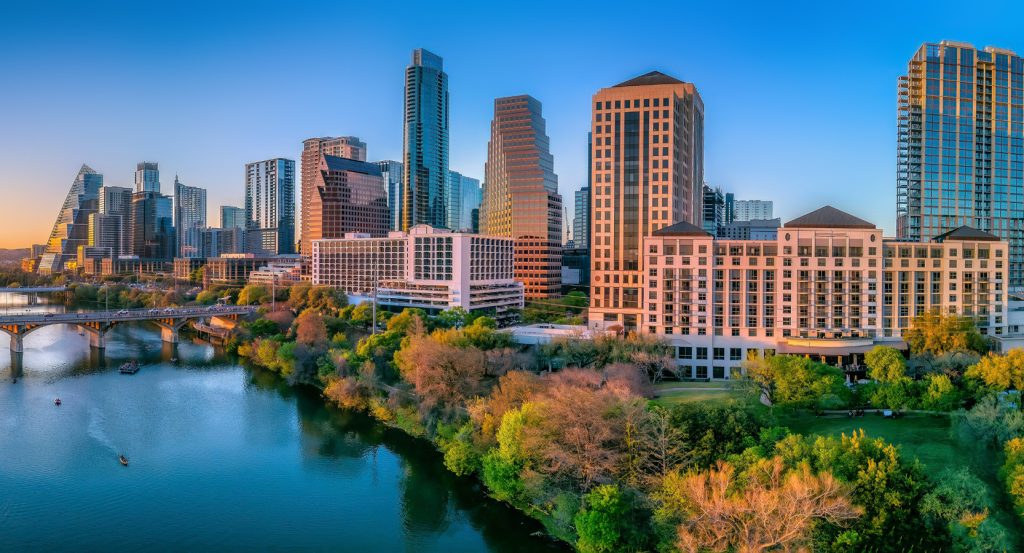
Why Lavaca Street matters.
Lavaca Street is a distinguished Downtown corridor where Texas government, historic architecture, and urban culture converge along one of the capital city's most iconic streets.
Running through Downtown between the Warehouse District and the Capitol Complex, this historic corridor connects landmark government buildings with architecturally significant commercial blocks, celebrated cultural destinations, thriving local businesses, welcoming public spaces, and enduring civic institutions that collectively showcase Austin's remarkable character as the political and cultural heart of Texas. Historic streetscapes, thoughtfully preserved architecture, energetic pedestrian activity, celebrated dining destinations, flourishing local commerce, and enduring civic traditions create an environment where generations of lawmakers, entrepreneurs, residents, and visitors have experienced one of Central Texas's defining urban corridors. Lavaca Street continues to unite Austin's governmental, commercial, and entertainment districts while preserving its central role in the city's historic downtown. The result is a corridor defined by civic importance, architectural distinction, and lasting metropolitan significance.
What defines Lavaca Street.
Lavaca Street is best known for bordering the historic Driskill Hotel, where the oldest operating hotel in Austin has welcomed guests continuously since 1886, preserving one of Texas's finest examples of Romanesque Revival architecture while hosting generations of political leaders, musicians, and cultural icons.
Commissioned by cattle baron Jesse Driskill, the landmark hotel quickly became the social and political center of Austin, serving as a gathering place for governors, legislators, business leaders, and visiting dignitaries. Its remarkably preserved architecture, elegant interiors, and enduring role in Texas public life have made it one of the state's most celebrated historic hotels. Today, the Driskill remains a defining symbol of Austin's heritage while continuing to anchor the city's energetic downtown. That extraordinary architectural and civic legacy has established Lavaca Street as one of the city's most historically significant corridors.
How Lavaca Street fits.
Lavaca Street works as an exploration of Austin's civic heritage, historic architecture, and downtown culture.
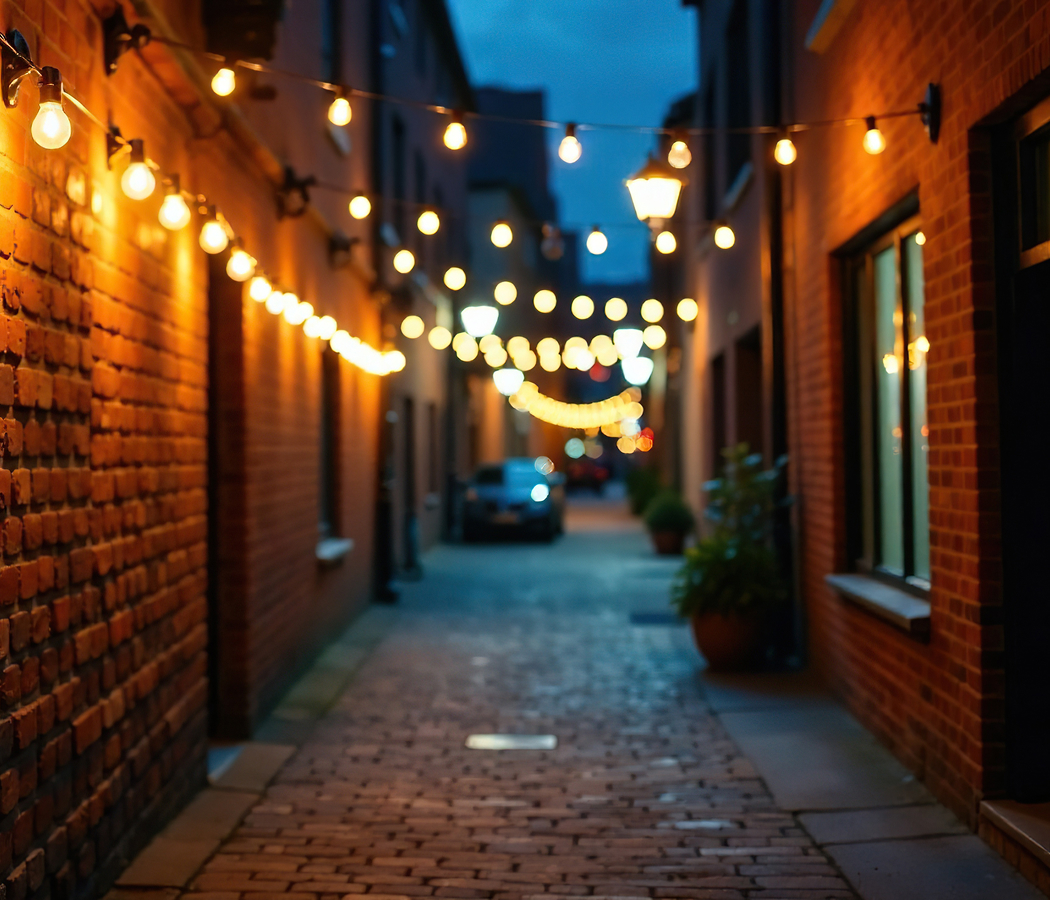
Begin along Lavaca Street, where the historic downtown streetscape immediately establishes the corridor's defining identity. Continue toward the Driskill Hotel, where Austin's oldest operating hotel provides broader perspective on the street's extraordinary historical legacy. From there, make your way to the Texas Capitol, where one of the nation's most distinguished state capitol buildings provides a memorable conclusion while celebrating Austin's enduring blend of history, government, and architectural excellence. Along the way, you'll encounter architecturally significant historic buildings, welcoming public spaces, thriving local businesses, beautifully preserved commercial façades, celebrated civic landmarks, and energetic gathering places that reveal Downtown's exceptional depth. The progression moves naturally from a defining downtown corridor to a renowned historic hotel to the seat of Texas government, demonstrating how Lavaca Street connects architectural preservation, community life, and historical discovery.
Where your story begins.
Foresyte Travel reveals places that feel extraordinary long before you arrive.
Enjoy editorial crafted for luxury travelers.
Foresyte may earn a commission when you book.