Why Marilla Street matters.
Marilla Street is a distinguished corridor where Downtown's civic leadership, architectural ambition, governmental heritage, and urban vitality define one of the city's most consequential streets.
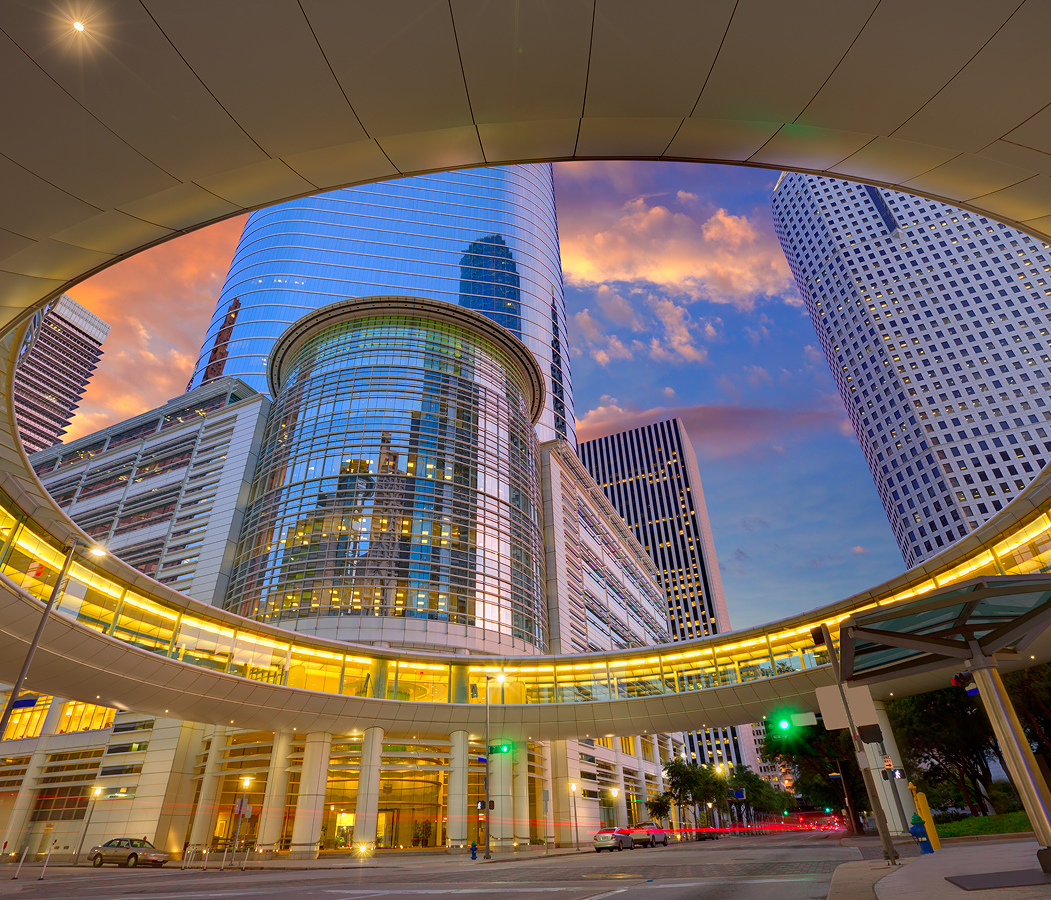
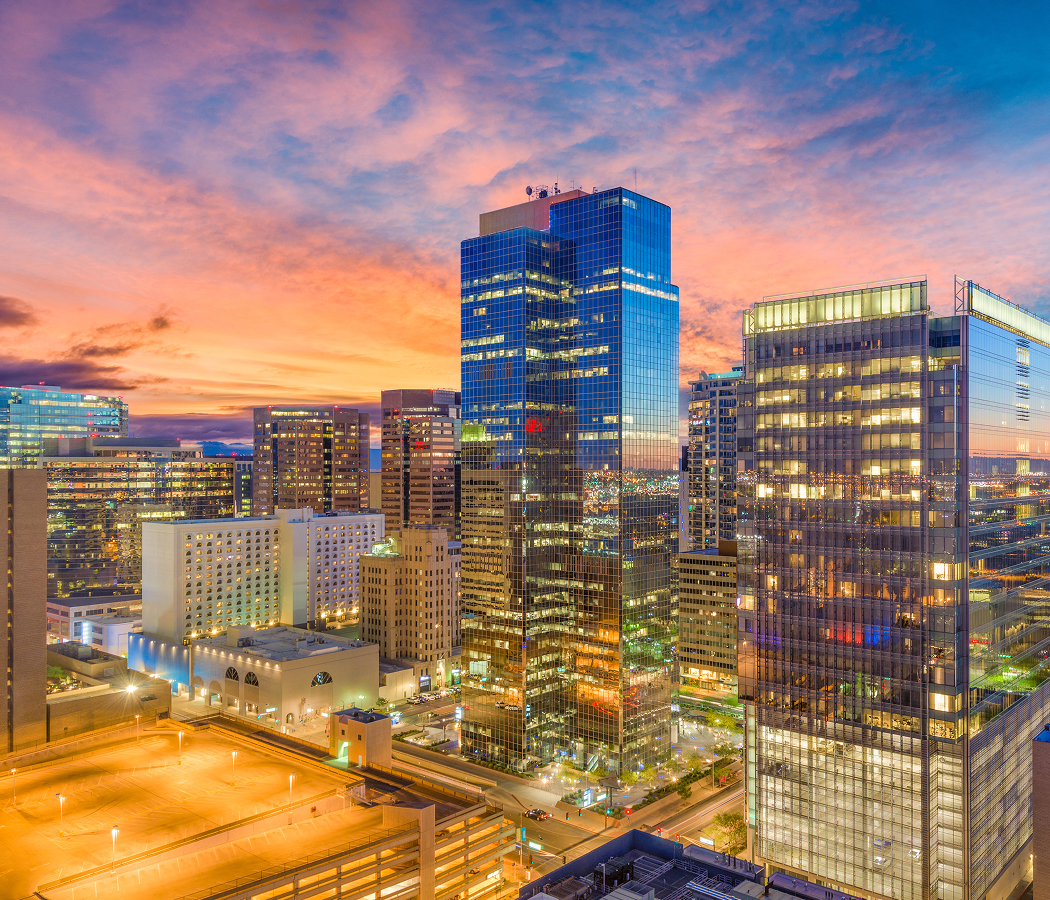
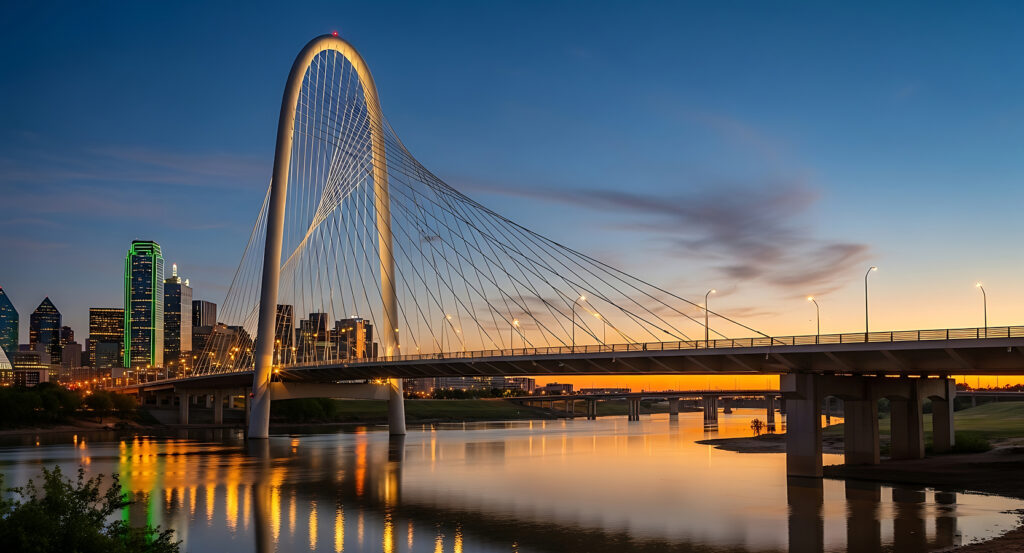
Running through Downtown between the Government District and the East Quarter, the corridor connects municipal buildings, historic commercial blocks, public plazas, and civic institutions that reflect more than a century of Dallas' political and administrative evolution. Each successive block reveals limestone façades, contemporary civic architecture, landscaped streetscapes, granite plazas, and mature urban trees that reinforce the street's enduring governmental identity. The defining moment arrives as Marilla Street demonstrates how public investment, architectural excellence, and civic stewardship have continually shaped the heart of Dallas. The result is an experience defined by institutional significance, architectural distinction, and one of Downtown's most influential corridors.
What defines Marilla Street.
Marilla Street is best known for serving as the civic spine surrounding Dallas City Hall, designed by I. M. Pei and completed in 1978, whose inverted pyramidal profile became one of the city's defining examples of late Modernist civic architecture. Development surrounding the corridor accelerated during the 1970s and 1980s as Dallas consolidated municipal government functions within the Government District, reinforcing Marilla Street's importance as a center of public administration. City Hall incorporates exposed reinforced concrete, structural steel framing, expansive glazed curtain walls, expansive public spaces, and a five-acre civic plaza whose engineering and architectural scale continue defining the corridor's physical identity. The surrounding district also benefited from coordinated streetscape improvements, widened sidewalks, public art installations, decorative lighting, and landscaped gathering spaces that strengthened pedestrian accessibility while complementing the expansive civic setting. Long-term investment has preserved Marilla Street's governmental prominence while supporting continued redevelopment throughout the eastern edge of Downtown. Collectively, the corridor's civic development, architectural achievement, public investment, and enduring governmental role established Marilla Street as one of Downtown's defining civic corridors.
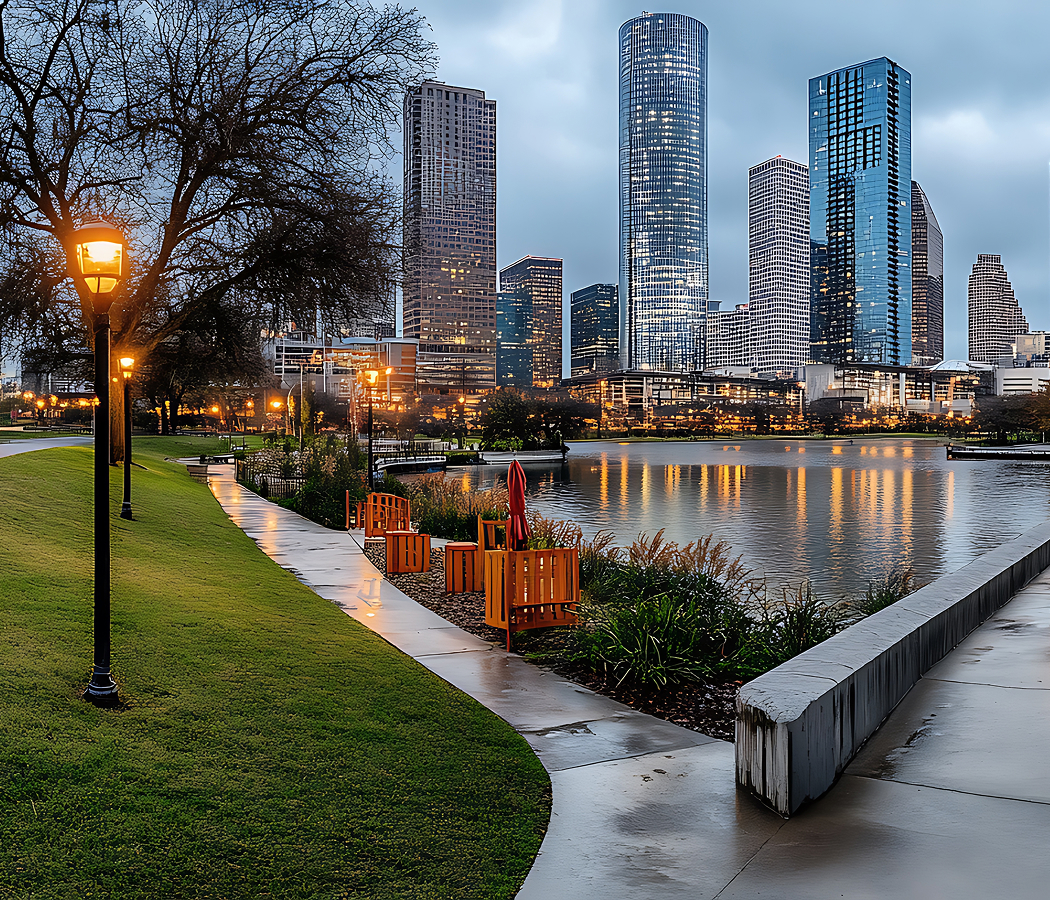
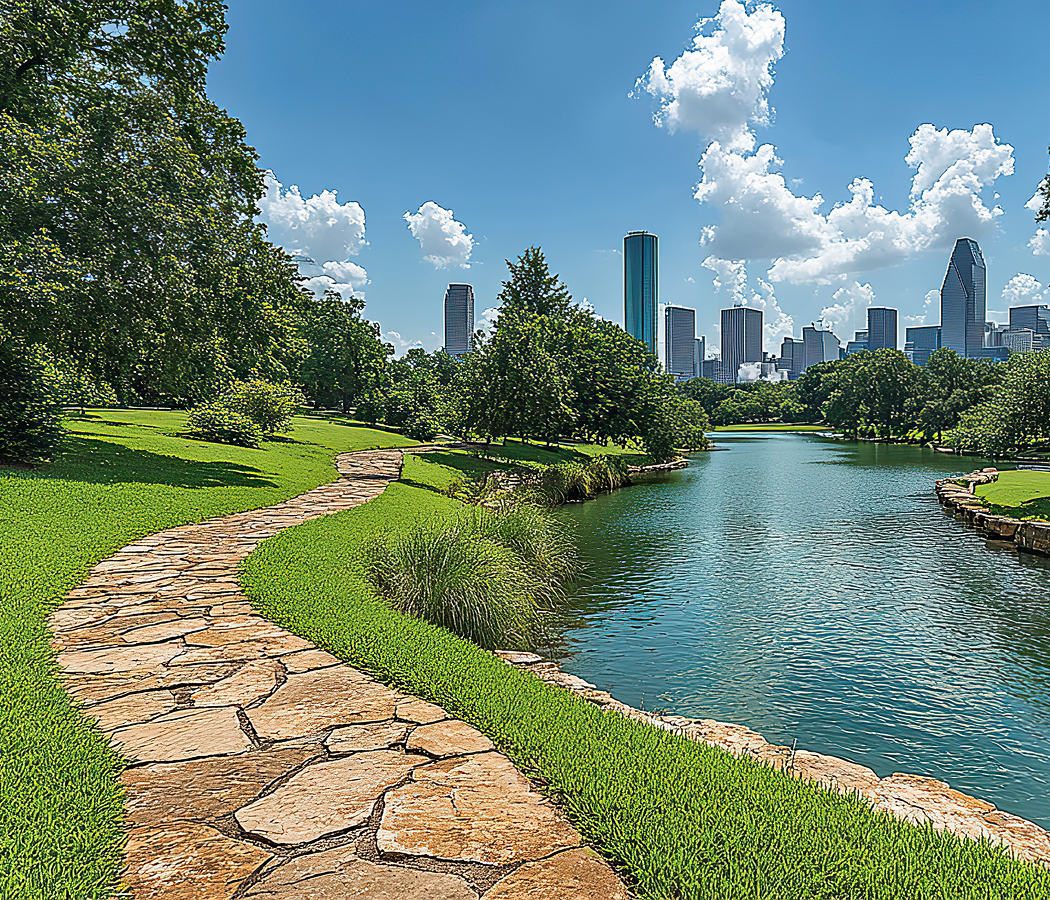
The City of Dallas Office of Arts and Culture continues supporting public art, cultural programming, and civic engagement initiatives that reinforce Marilla Street's role as one of the city's principal public gathering spaces. Halprin Associates, working with I. M. Pei during the City Hall project, influenced the design of the surrounding civic landscape through integrated plazas, pedestrian circulation, and carefully composed open space that complements the building's expansive architecture. Native cedar elms, live oaks, ornamental grasses, granite planters, bioswales, and shaded public seating create a resilient urban landscape that softens the expansive civic environment while strengthening the corridor's visual continuity. Together, these civic organizations, landscape design principles, and enduring public spaces demonstrate how Marilla Street continues evolving through sustained stewardship of both its governmental institutions and urban environment.
How Marilla Street fits.
Marilla Street works as an exploration of Downtown's civic and architectural heritage.
Begin at Dallas City Hall, where I. M. Pei's expansive civic masterpiece establishes the architectural significance of Marilla Street while naturally introducing the Government District's role within the city. Continue to Pioneer Plaza, where its celebrated bronze cattle sculptures and expansive landscape deepen appreciation for Dallas' historical narrative before guiding the experience toward its cultural conclusion. Conclude at The Sixth Floor Museum at Dealey Plaza, where nationally significant exhibitions provide the historical payoff by illustrating the defining events that shaped both Dallas and the nation. The progression moves naturally from civic architecture to public space before culminating in one of the city's most historically important institutions.
Where your story begins.
Foresyte Travel reveals places that feel extraordinary long before you arrive.
Enjoy editorial crafted for luxury travelers.
Foresyte may earn a commission when you book.