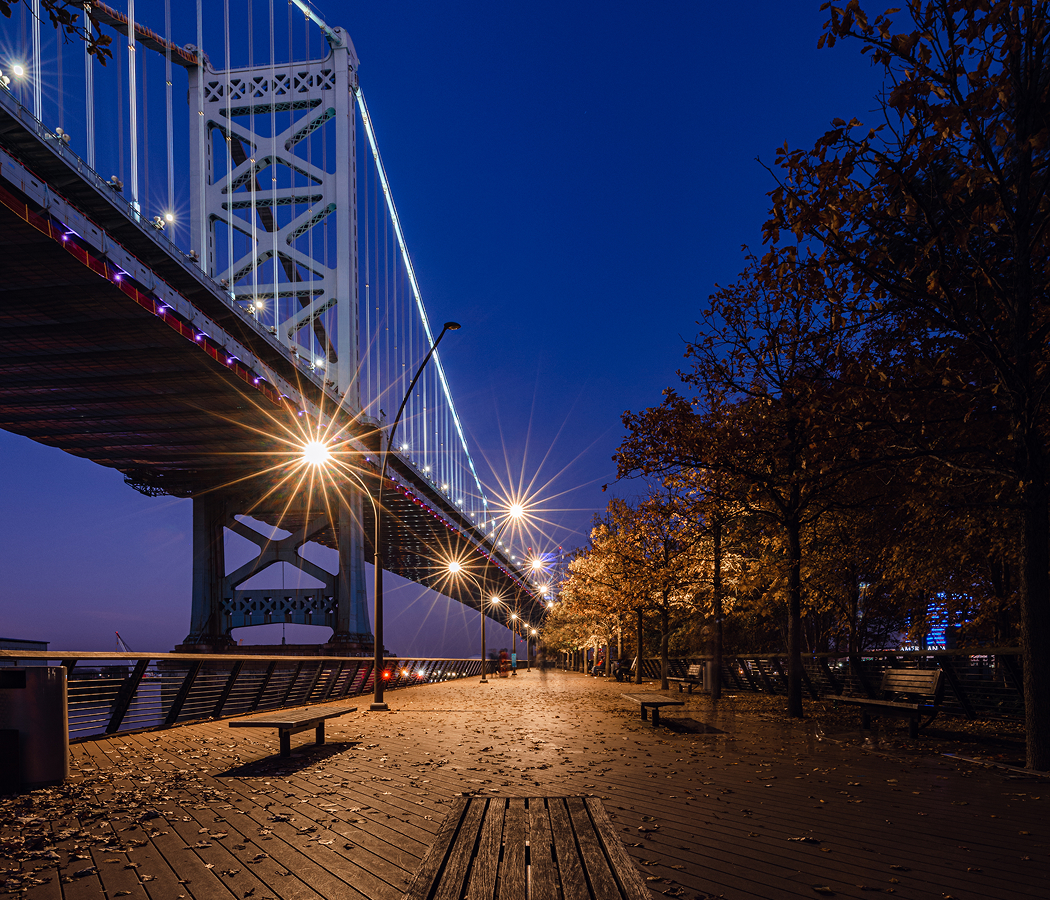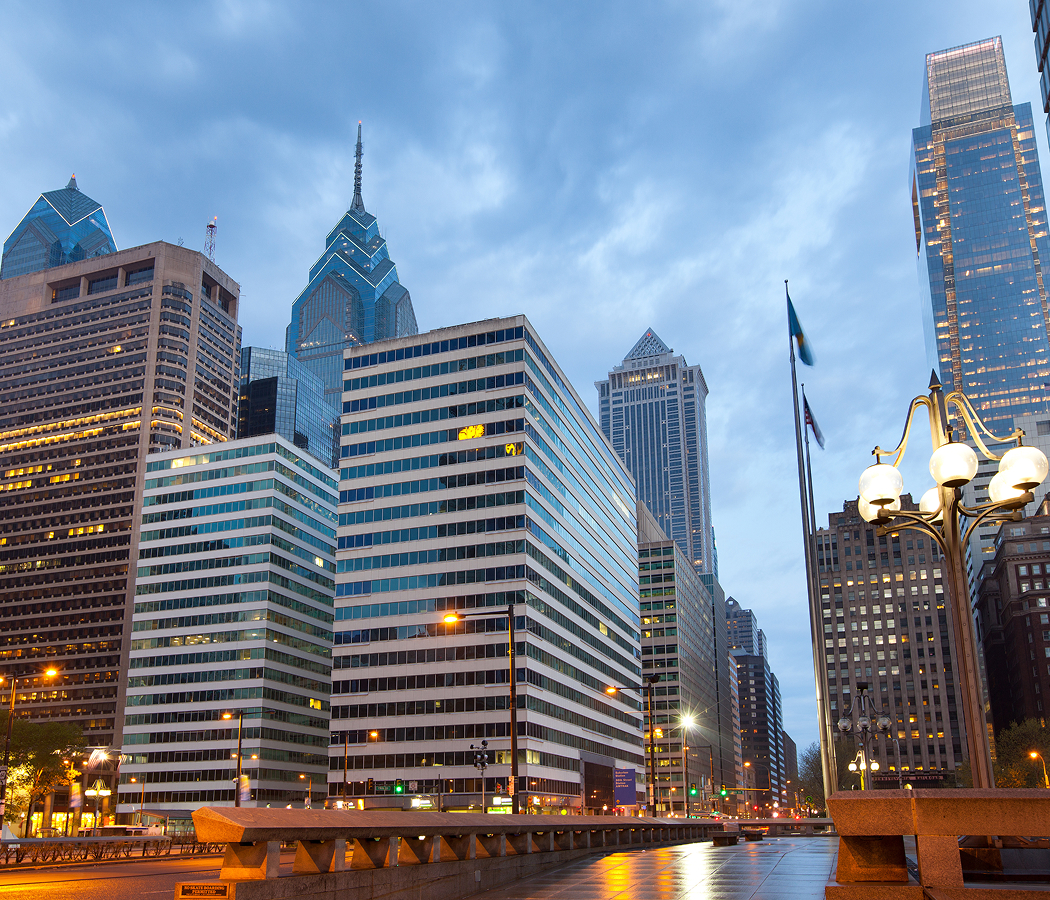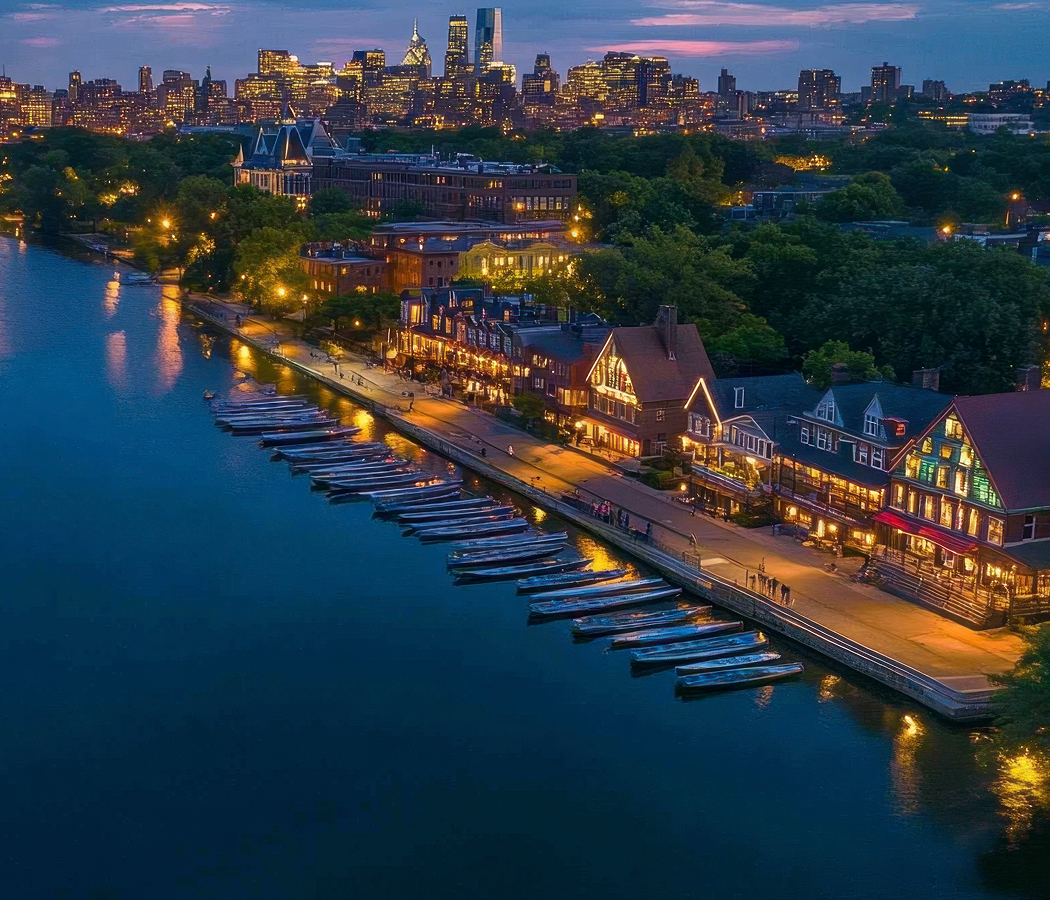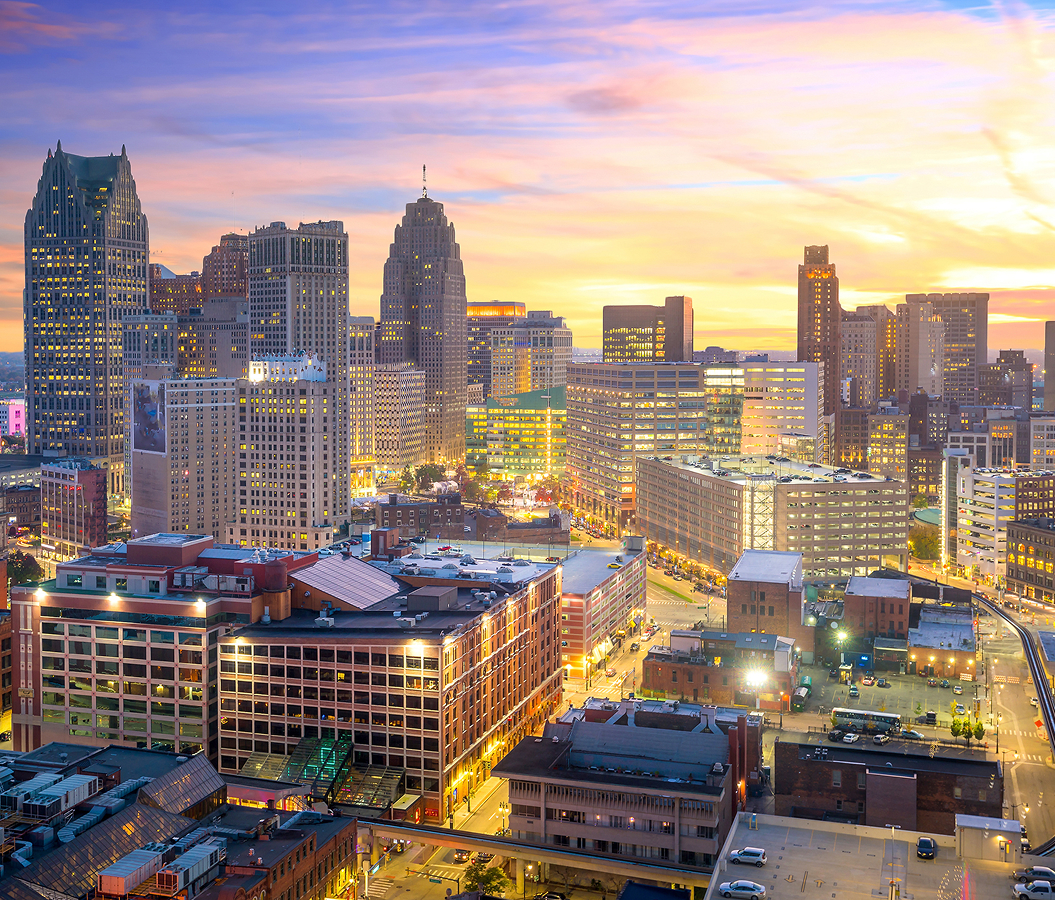
Why you should experience Marlborough Street in Philadelphia, Pennsylvania.
Marlborough Street is an intimate corridor where Society Hill's colonial legacy, architectural craftsmanship, residential elegance, and enduring civic heritage define one of Philadelphia's most distinctive historic streets.
Running through Society Hill between Old City and Queen Village, the corridor connects eighteenth-century streetscapes, preserved brick residences, historic churches, and public squares that collectively reflect Philadelphia's emergence as the nation's largest colonial city and first federal capital. Successive blocks reveal how colonial planning, mercantile prosperity, nineteenth-century adaptation, and twentieth-century preservation shaped a remarkably cohesive urban environment while safeguarding one of America's oldest residential neighborhoods. Throughout the street, Flemish-bond brickwork, original cobblestones, and finely detailed townhouses preserve centuries of architectural continuity. The result is an experience defined by authenticity, craftsmanship, and one of Philadelphia's most enduring residential corridors.
What you should know about Marlborough Street.
Marlborough Street is best known for preserving the scale and character of colonial Philadelphia, with many surrounding properties dating from the eighteenth century as the neighborhood developed near William Penn's original 1682 city plan. Residential construction expanded through successive colonial and Federal periods, producing tightly arranged townhouses influenced by Georgian and Federal architecture, distinguished by Flemish-bond and common-bond brick masonry, paneled wood doors, transom windows, dormers, steeply pitched roofs, interior party walls, and locally crafted woodwork that continue defining the corridor's architectural identity. Commercial prosperity generated by nearby Delaware River shipping, merchant houses, counting rooms, and waterfront warehouses supported continued investment throughout Society Hill, while the street remained closely connected to Philadelphia's principal port economy during the eighteenth and nineteenth centuries. Comprehensive preservation accelerated during the 1950s and 1960s under the Philadelphia Redevelopment Authority, with architect Edmund N. Bacon championing neighborhood renewal that protected historic streetscapes while introducing carefully planned rehabilitation throughout Society Hill. Together, William Penn's original street plan, colonial commerce, Georgian and Federal architecture, waterfront mercantile activity, and nationally influential preservation efforts established Marlborough Street as one of Society Hill's defining corridors.
Recognition of the surrounding Society Hill Historic District as a National Historic Landmark District reinforced long-term protection of eighteenth- and nineteenth-century buildings, original masonry, period streetscapes, and historically significant residential blocks. Stewardship by the Philadelphia Historical Commission continues guiding exterior preservation, architectural review, and conservation of historically significant structures throughout the neighborhood. Continued investment by the City of Philadelphia has supported brick pavement restoration, utility modernization beneath historic streets, pedestrian accessibility improvements, drainage reconstruction, and streetscape maintenance that preserve the corridor's historic setting while supporting contemporary urban life. Collectively, these preservation initiatives, conservation policies, infrastructure improvements, and public investment demonstrate how Marlborough Street continues protecting one of Philadelphia's most historically significant residential environments.
How to fold Marlborough Street into your trip.
Marlborough Street works as an exploration of Society Hill's colonial heritage, architectural craftsmanship, and early American history.
Begin at Independence Hall, where the Declaration of Independence and United States Constitution were debated and adopted, establishing the historical foundation for understanding the neighborhood that surrounds Marlborough Street. Continue to Carpenters' Hall, where the First Continental Congress convened in 1774, deepening appreciation for Philadelphia's role in the nation's founding while showcasing one of the city's finest examples of Georgian architecture. Conclude at Head House Square, where one of Philadelphia's oldest surviving public market sites provides the historical payoff through preserved commercial buildings, colonial streetscapes, and centuries of neighborhood commerce. Together, the sequence moves from the birth of the nation to colonial civic life before culminating in a marketplace that demonstrates the daily rhythms of early Philadelphia.
Where your story begins.
Foresyte Travel reveals places that feel extraordinary long before you arrive.
Experience premium editorial crafted for luxury travelers.