Why you should experience Martyrs Park in Dallas, Texas.
Martyrs Park is a quiet downtown green space where skyline views, riverfront history, and reflective calm converge beside the western edge of the city's urban core.
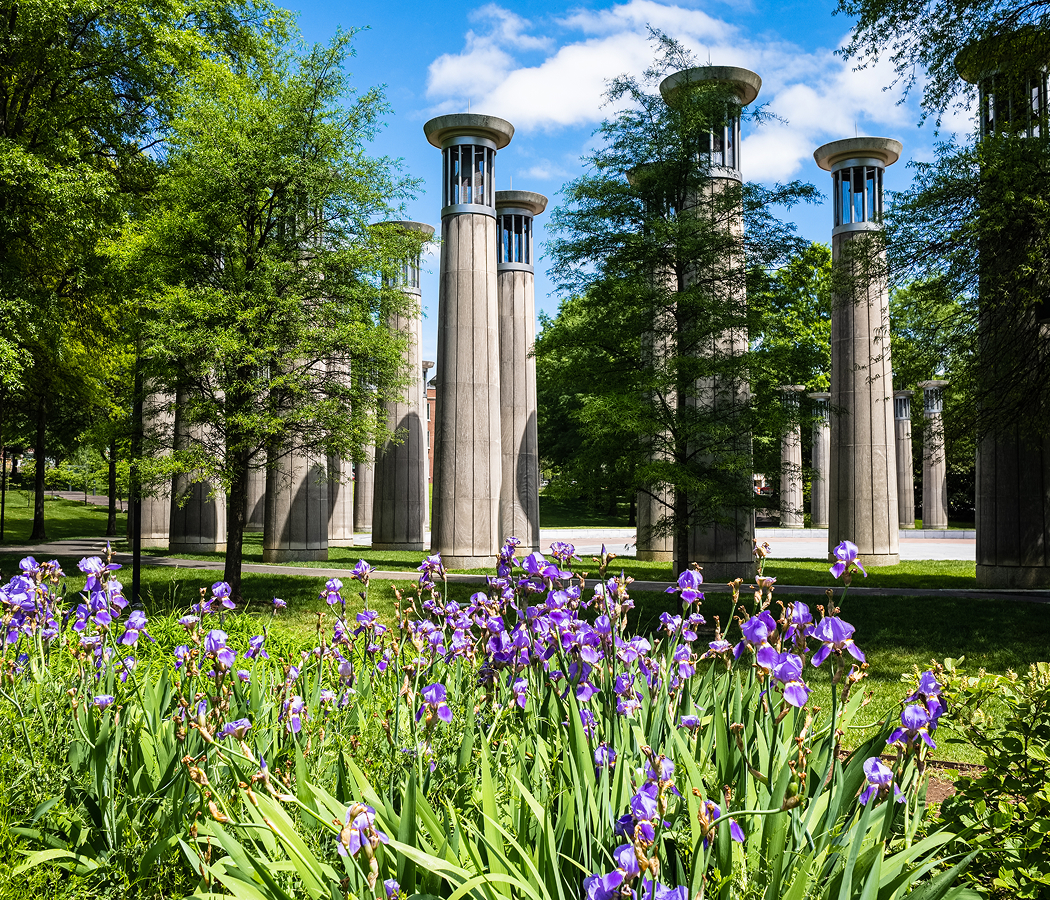
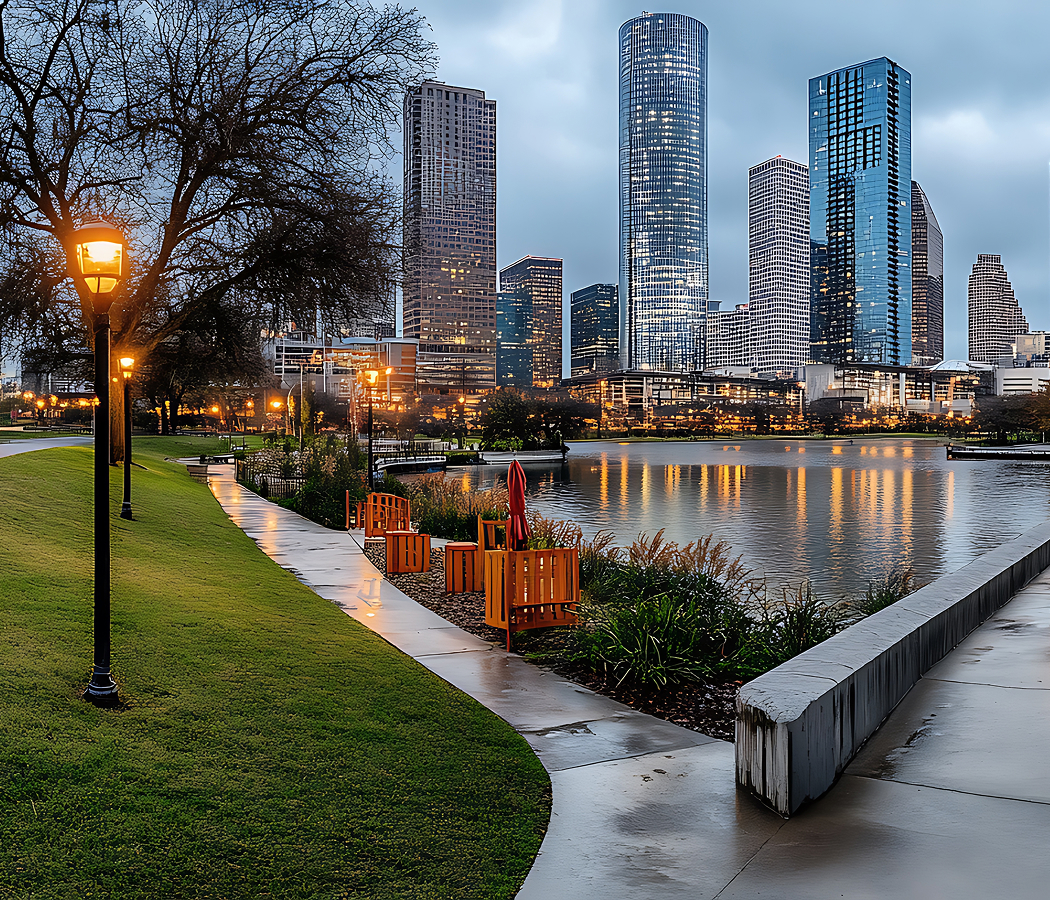
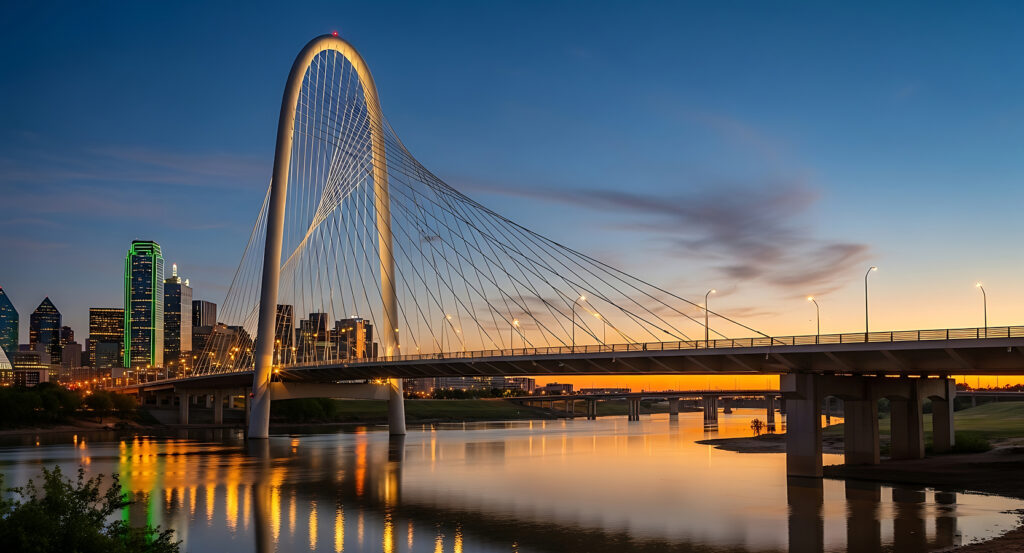
Set along Commerce Street near North Houston Street and just steps from Dealey Plaza and the Trinity River corridor, this understated park carries the unmistakable atmosphere of a place built for pause rather than performance, a small pocket of open space woven into one of Dallas' most historically layered districts. The setting feels spacious despite its downtown placement: grassy slopes opening toward the skyline, walking paths tracing the edge of the park, and traffic noise softening just enough to let the city breathe differently for a moment. Martyrs Park understands the value of stillness. The experience revolves less around programmed activity and more around perspective, offering visitors a place to slow down beside the architecture, infrastructure, and historical gravity surrounding Downtown.
What you should know about Martyrs Park.
Martyrs Park takes its name from the nearby memorial dedicated to the Catholic priests executed during the 1867 anti-Catholic riots in Mexico, connecting the park to a deeper layer of cultural and historical remembrance often overlooked by visitors moving through downtown.
The park itself functions as part of Dallas' broader efforts to reconnect green space with the Trinity River corridor and surrounding pedestrian infrastructure. Its location near Dealey Plaza and Reunion Tower places it within one of the city's most symbolically significant areas, where civic history, transportation corridors, and public gathering spaces intersect across multiple generations of Dallas development. The elevated positioning of the park also gives it a distinct visual identity, offering open sightlines toward the skyline and nearby bridges without the density of larger downtown parks. What separates Martyrs Park from more active recreational spaces across the city is its restraint. The atmosphere feels contemplative, architectural, and deeply tied to the geography and history surrounding it.
How to fold Martyrs Park into your trip.
Martyrs Park works as a quieter stop while exploring downtown landmarks, nearby museums, and the Trinity River corridor.
Visit during the late afternoon or near sunset when the skyline begins reflecting softer light across the surrounding buildings and the park settles into its calmest rhythm. Walk the pathways slowly, pause near the open lawn areas, and take time to absorb the layered contrast between modern downtown development and the historical weight carried by the surrounding district. The park pairs especially well with visits to Dealey Plaza, Reunion Tower, or nearby downtown architecture walks, allowing the stop to function as a visual and mental reset between busier itinerary moments. Martyrs Park adds a reflective, understated layer to Dallas, one shaped by skyline views, civic history, and the quiet value of open space within the center of the city.
Where your story begins.
Foresyte Travel reveals places that feel extraordinary long before you arrive.
Experience premium editorial crafted for luxury travelers.