Why Morazan Restaurant and Bakery matters.
Morazan Restaurant and Bakery is a home-style Salvadoran restaurant where Oak Cliff's Latino character meets handmade pupusas, traditional breakfasts and the expansive comfort cooking of El Salvador.
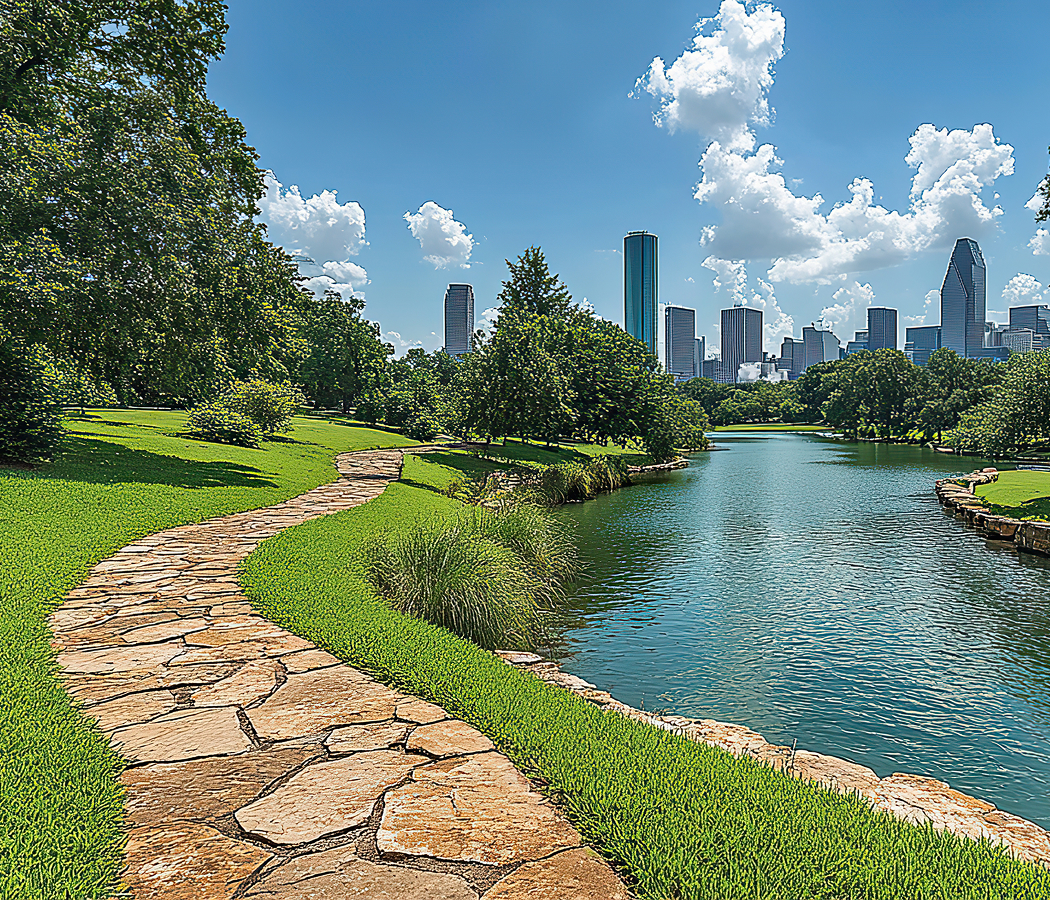
Set along West Jefferson Boulevard near South Zang Boulevard and just west of the commercial core surrounding the Texas Theatre, the restaurant occupies a storefront between Oak Cliff's historic residential districts, the dense businesses lining Jefferson and the rising skyline across the Trinity River toward Downtown. A straightforward dining room keeps the focus on plates emerging from the kitchen and the bakery selection accompanying the savory repertoire. Griddled masa, stewed meats, fried plantains and fresh breads give the room the unmistakable character of a Central American neighborhood restaurant. Breakfast, lunch cooking and baked goods share the same operation, allowing the restaurant to move between morning staples and substantial composed plates across the day. The result is a compact Salvadoran kitchen whose breadth connects bakery traditions, griddle cooking and family-style meals within one of Oak Cliff's most culturally layered commercial corridors.
What defines Morazan Restaurant and Bakery.
Morazan Restaurant and Bakery is best known for concentrating a broad Salvadoran repertoire around the foods that define everyday cooking across El Salvador. Pupusas form the clearest center, with corn masa enclosing combinations of chicharrón and cheese, refried beans and cheese, spinach and cheese, or shrimp and cheese before cooking on the griddle. The kitchen extends into antojitos through chicken tamales steamed in banana leaves, beef pastelitos accompanied by curtido and tomato sauce, nuegados and Salvadoran enchiladas. Its plato típico gathers a chicken tamale, pupusa, pastelito, yuca with chicharrones, fried plantain, crema and beans into a single survey of preparations spanning masa, cassava, pork and plantain. Larger cooking moves through sopa de gallina india, sopa de res, fried mojarra and stewed chicken, giving soups and long-cooked proteins equal standing beside the griddle. Parrillada Morazán brings chicken breast, beef fajita and shrimp together with rice, beans and salad, expanding the repertoire toward shared grilled plates. The restaurant's breadth is its defining strength, preserving a meal structure that stretches from breakfast and small masa preparations through soups, seafood, grilled meats, sweets and breads.
Pan con pollo layers shredded chicken with cabbage, radish, cucumber, tomato, beet and boiled egg, turning bread into one of the kitchen's most elaborate handheld preparations. Chicharrón and cheese pupusas pair the concentrated flavor of ground pork with melted cheese inside soft corn masa, with curtido supplying acidity and crunch against the griddled exterior. Bean and cheese versions move toward a smoother filling, and shrimp with cheese shifts the same construction toward seafood. Yuca with chicharrones joins dense cassava with crisp pork, creating a contrast between starchy softness and rendered edges. Atol de elote turns corn in a different direction through a warm, sweet drink, and horchata, tamarind, hibiscus and cashew-fruit drinks widen the beverage selection through flavors strongly associated with Central American cooking. Morazan's cooking gains coherence through repeated transformations of corn, pork, beans, cassava, plantain and fresh vegetables across griddled, steamed, fried, stewed and blended preparations.
How Morazan Restaurant and Bakery fits.
Morazan Restaurant and Bakery works as the culinary anchor for an Oak Cliff outing connecting an atmospheric movie palace tied to one of the defining events of twentieth-century Dallas, a Prairie-influenced mansion built during the creation of Winnetka Heights and Texas' oldest zoological institution.
Begin at Texas Theatre, opened on April 21, 1931 as the largest suburban movie house in Dallas. Oak Cliff entrepreneur C. R. McHenry developed the project with partners from Robb & Rowley Theatres, and W. Scott Dunne designed an atmospheric interior with opera boxes, fountains, projected clouds and a vast chandelier. The concrete building incorporated equipment for talking pictures, the city's second-largest Barton organ and a water-cooled ventilation plant moving 200,000 cubic feet of air per minute, making it Dallas' first air-conditioned theatre. Howard Hughes and Harold B. Franklin briefly controlled the Robb & Rowley chain around its opening. Dallas police arrested Lee Harvey Oswald inside on November 22, 1963, permanently joining the building to the aftermath of President John F. Kennedy's assassination. Continue to Turner House, built in 1912 for John Phillip Blake, among the developers behind Winnetka Heights. Blake purchased 3.72 acres adjoining the subdivision and spent $55,000 on a Modified Prairie four-square residence where his family hosted concerts and large lawn gatherings. Later ownership divided the estate, and the house entered service as a boarding residence during the World War II period before Oak Cliff Lutheran Church acquired it for a sanctuary in 1948. The Oak Cliff Society of Fine Arts purchased the property in 1957 after losing its earlier clubhouse to Interstate 35E construction. The organization renamed it Turner House in 2002 in honor of founder E. P. Turner, preserving one of only two surviving original residences associated with the development of Winnetka Heights. Conclude at Dallas Zoo, whose history began in 1888 when Dallas purchased two deer and two mountain lions from a private seller in Colorado City for $60. The animals first lived in City Park, moved to Fair Park in 1910 and reached a permanent 36-acre home at Marsalis Park in 1912. Zoo Commissioner William H. Atwell expanded the collection, and specimens acquired from hunter and animal collector Frank Buck further enlarged it during the 1920s. Federal Works Progress Administration labor substantially improved the property during the 1930s. The institution eventually expanded beyond 100 acres and more than 2,000 animals, retaining its distinction as the oldest zoo in Texas. The progression moves from W. Scott Dunne's technologically ambitious movie palace through a surviving mansion from Oak Cliff's early suburban expansion and culminates in an 1888 zoological institution whose successive relocations chart Dallas' growth across the Trinity River.
Where your story begins.
Foresyte Travel reveals places that feel extraordinary long before you arrive.
Enjoy editorial crafted for luxury travelers.
Foresyte may earn a commission when you book.