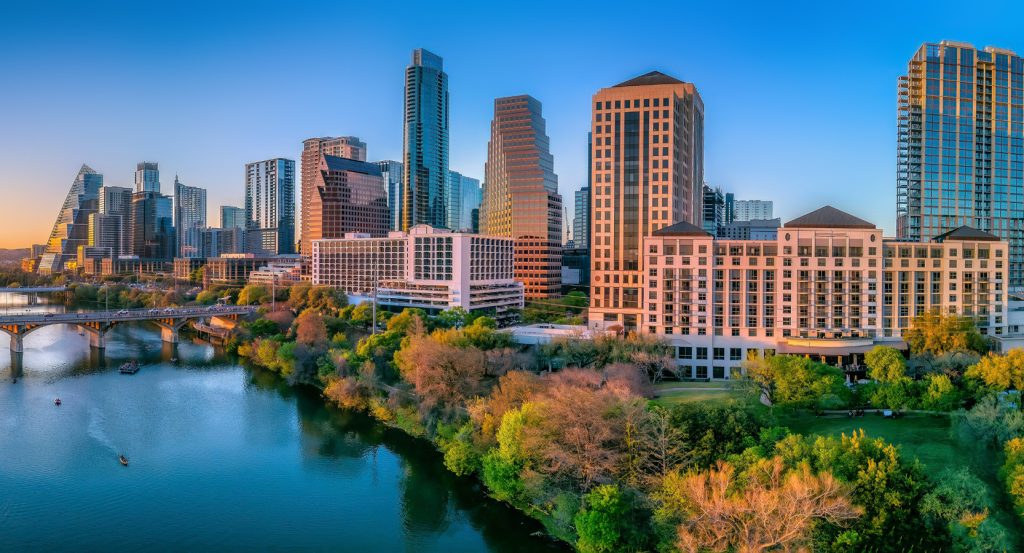
Why Mueller Boulevard matters.
Mueller Boulevard is an enterprising corridor where Mueller's sustainable design, architectural innovation, community life, and entrepreneurial energy create one of Austin's most forward-looking streets.
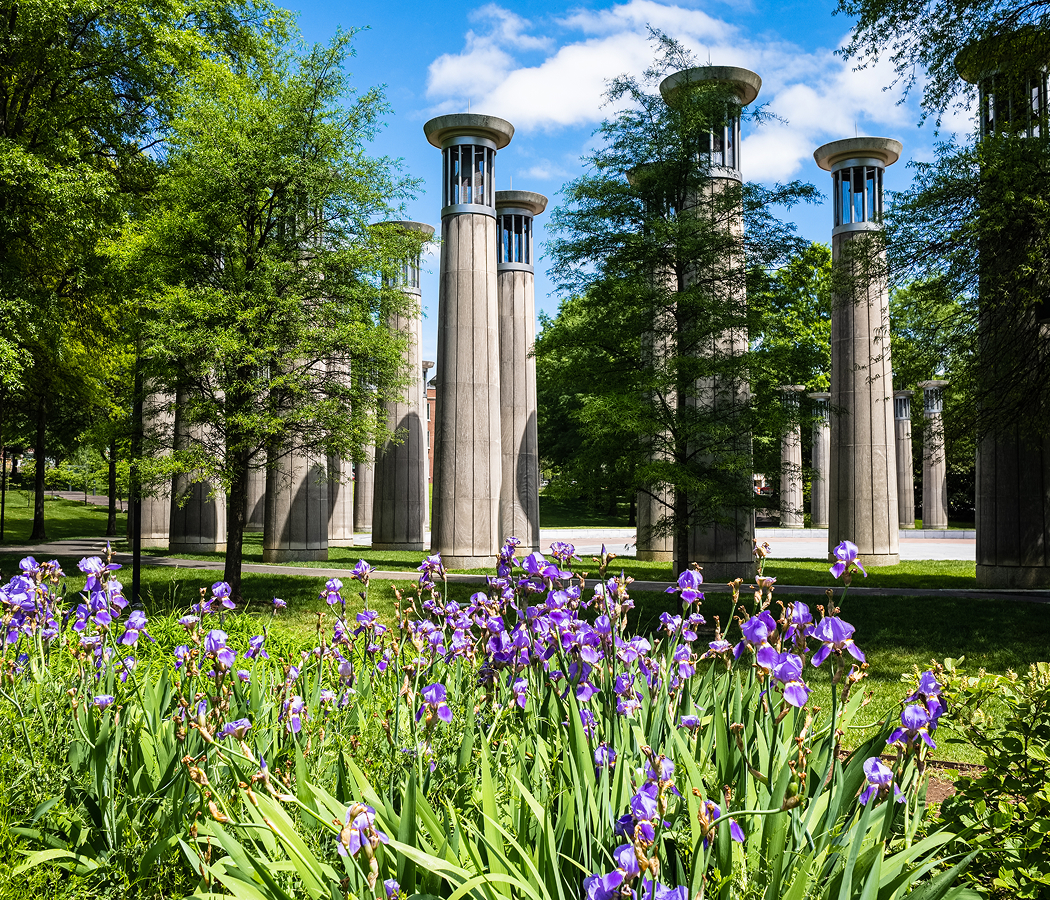
Running through Mueller between Cherrywood and Windsor Park, the boulevard connects award-winning residential districts, neighborhood parks, employment centers, retail destinations, and civic gathering spaces that embody one of the nation's most ambitious urban redevelopment projects. Each successive stretch reveals broad landscaped medians, contemporary architecture, shaded pedestrian promenades, public art, and native plantings that reinforce the boulevard's unmistakable identity. The defining moment arrives as Mueller Boulevard demonstrates how sustainable planning, environmental stewardship, and mixed urban living continue shaping one of Austin's defining corridors. The result is an experience defined by thoughtful design, civic vitality, and one of Mueller's most rewarding streets.
What defines Mueller Boulevard.
Mueller Boulevard is best known for serving as the principal spine of the Mueller redevelopment, a 711-acre mixed-use community constructed on the former Robert Mueller Municipal Airport, which operated from 1930 until 1999 before commercial passenger service relocated to Austin-Bergstrom International Airport. The redevelopment was master planned by Catellus Development Corporation in partnership with the City of Austin, with the first phase opening in 2007 following years of environmental remediation, infrastructure replacement, and implementation of a long-term redevelopment strategy emphasizing compact growth, sustainability, and neighborhood connectivity. The community incorporates thousands of residences, millions of square feet of office, retail, medical, and commercial space, an extensive network of complete streets, dedicated bicycle facilities, district parks, stormwater infrastructure, and one of Austin's largest collections of rain gardens, bioswales, and water-quality ponds designed to manage urban runoff. Development guidelines promoted Austin Energy Green Building standards, walkable block patterns, native landscaping, reclaimed water infrastructure, and preservation of significant airport-era features including the 1930 Mueller Airport Control Tower and portions of the original airfield layout. Native live oak, cedar elm, Mexican sycamore, Texas red oak, little bluestem, inland sea oats, and drought-tolerant prairie plantings reinforce the boulevard's ecological character while supporting habitat within the urban landscape. Collectively, the corridor's aviation history, sustainable planning, engineering innovation, environmental infrastructure, and architectural design establish Mueller Boulevard as one of Austin's defining contemporary corridors.
Adjacent to the boulevard, the Dell Children's Medical Center of Central Texas, opened in 2007, became the region's first dedicated pediatric hospital and later achieved national recognition through advanced pediatric specialty care and sustainable hospital design. Nearby, the Thinkery, relocated to Mueller in 2013, expanded Austin's children's museum through interactive STEAM exhibitions, maker spaces, and educational programming serving families from across Central Texas. The nearby Texas Farmers' Market at Mueller, established in 2012, has become one of the region's leading producer-only farmers markets, supporting Central Texas farms, ranches, food producers, and artisans through year-round community events. Together, these healthcare institutions, educational organizations, and regional markets demonstrate how Mueller Boulevard reflects a corridor where innovation, learning, and community investment continue reinforcing one another.
How Mueller Boulevard fits.
Mueller Boulevard works as an exploration of Austin's sustainable urban design, neighborhood life, and contemporary culture.
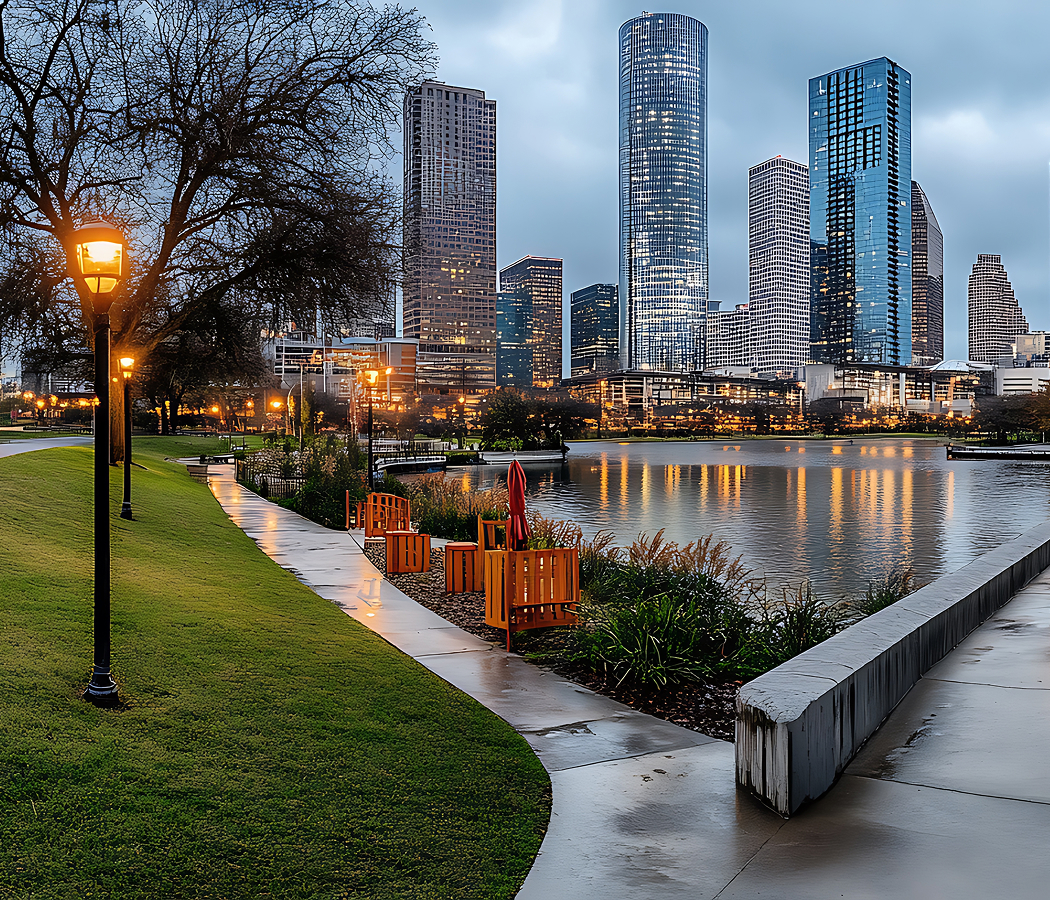
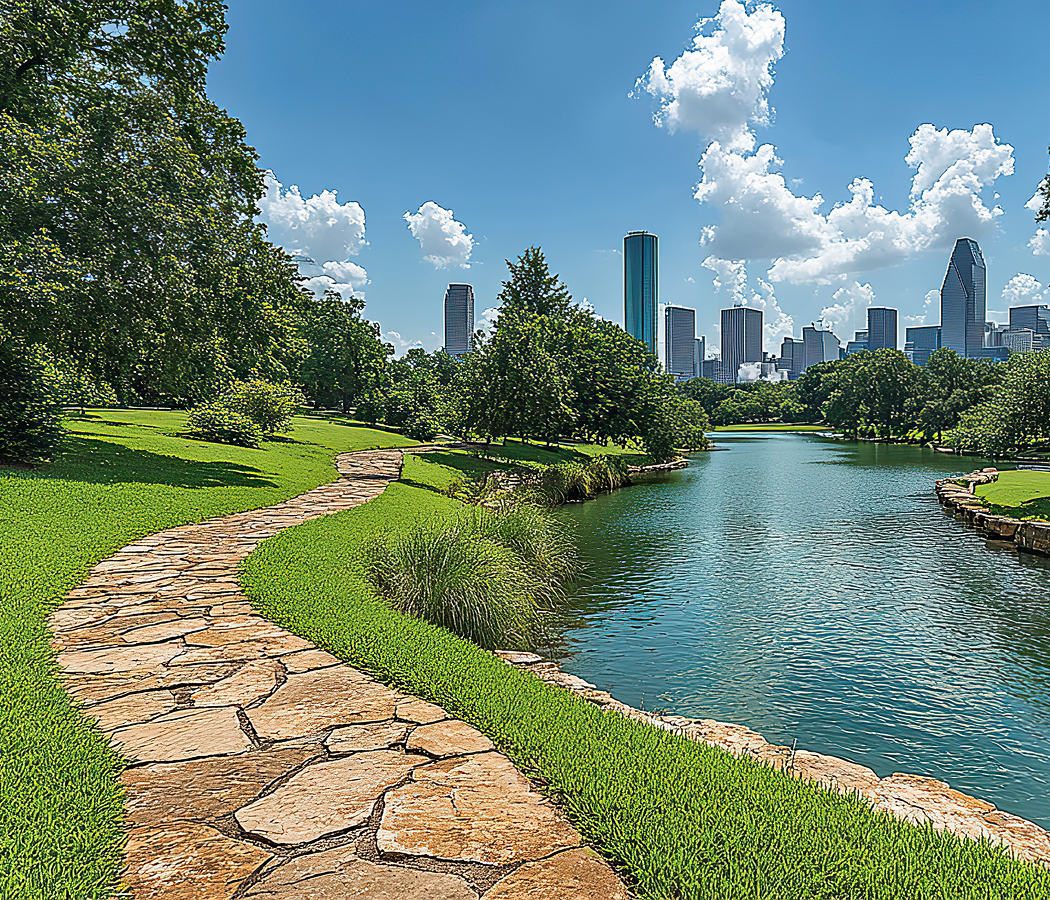
Begin at Mueller Lake Park, where restored wetlands, public art, walking trails, and expansive green space establish the environmental philosophy that defines the neighborhood while providing the ideal introduction to the boulevard's sustainable vision. Continue to Aldrich Street, where architecturally diverse storefronts, locally owned restaurants, public plazas, and year-round community programming deepen the experience by revealing how Mueller's walkable urban core functions in everyday life. Conclude at 1930 Mueller Airport Control Tower, where the preserved aviation landmark provides the historical payoff by connecting the neighborhood's innovative present with the airfield that occupied the site for nearly seven decades. The progression moves naturally from environmental stewardship to energetic urban life before culminating in the historic structure that explains the district's remarkable transformation.
Where your story begins.
Foresyte Travel reveals places that feel extraordinary long before you arrive.
Enjoy editorial crafted for luxury travelers.
Foresyte may earn a commission when you book.