Why Munger Street matters.
Munger Street is a graceful corridor where Greater Heights' streetcar heritage, architectural legacy, neighborhood continuity, and enduring residential character converge.
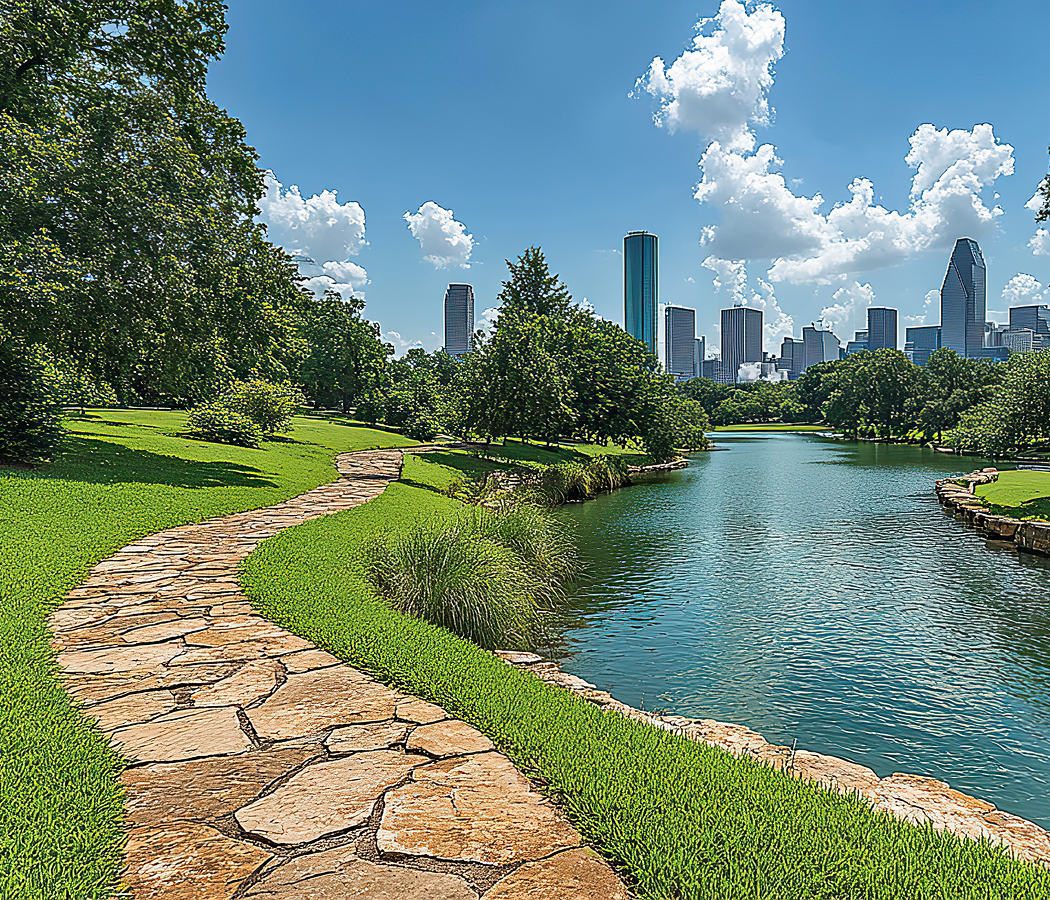
Running through Greater Heights between Woodland Heights and Norhill, the corridor links preserved residential blocks, historic churches, neighborhood gathering places, and locally rooted businesses that collectively reflect one of Houston's earliest planned communities. Mature live oaks, restored bungalows, broad sidewalks, and carefully maintained streetscapes reinforce an environment where more than a century of neighborhood evolution remains readily visible. Longstanding preservation has retained the corridor's historic scale while allowing thoughtful reinvestment that complements its original architectural fabric. The result is an experience defined by architectural authenticity, neighborhood identity, and one of Houston's most rewarding corridors.
What defines Munger Street.
Munger Street is best known for extending through Greater Heights, whose modern character began with the founding of Houston Heights by the Omsby Investment Company in 1891, creating one of Texas' earliest comprehensively planned streetcar suburbs. Residential construction surrounding the corridor expanded between the 1890s and the 1940s, producing an exceptional collection of Queen Anne, Craftsman, Colonial Revival, American Foursquare, and Minimal Traditional homes that continue defining the neighborhood's architectural landscape. Houston's electric streetcar system connected Houston Heights with downtown commercial districts, encouraging compact residential growth supported by churches, civic organizations, and locally owned businesses that became integral to community life. Recognition of this remarkable architectural legacy culminated in the designation of the Houston Heights Historic District on the National Register of Historic Places in 1983, preserving hundreds of contributing buildings representing successive eras of neighborhood development. Collectively, the corridor's planned origins, transportation history, architectural diversity, historic recognition, and enduring residential fabric establish Munger Street as one of Houston's defining historic corridors.
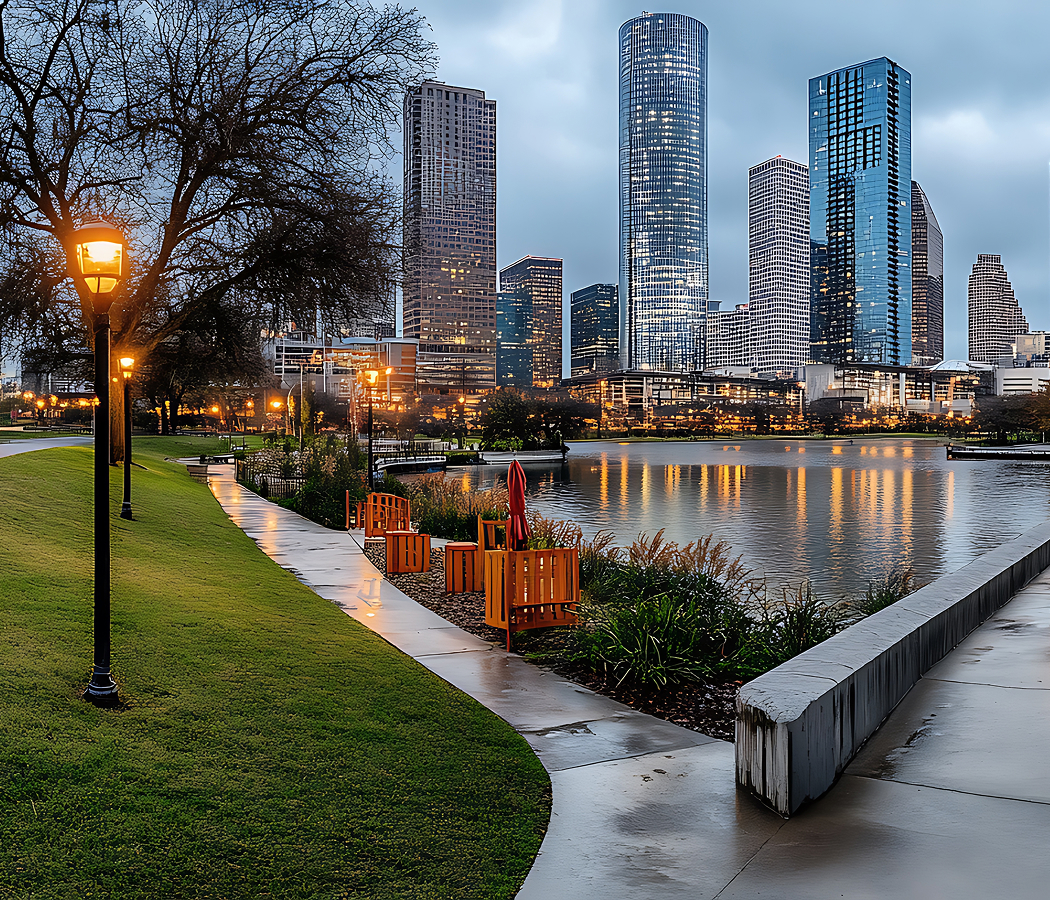
Immanuel Lutheran Church, established in 1921, became a lasting center of worship, education, and charitable outreach that reflects the enduring religious traditions surrounding Munger Street. Heights Fire Station No. 14, completed in 1914, preserves an important example of early municipal architecture whose brick construction and restrained Classical detailing document Houston's investment in civic services during the Heights' formative decades. Milroy Park, named for former Houston mayor Roy G. Milroy, preserves mature tree canopy, recreational landscapes, and neighborhood gathering space that continue strengthening the residential character established during the community's early twentieth-century growth. Together, these religious, civic, and neighborhood institutions broaden the historical narrative by demonstrating how community life matured alongside the corridor's celebrated architectural heritage.
How Munger Street fits.
Munger Street works as a walk through the Heights' architectural heritage, neighborhood culture, and creative energy.
Begin at M-K-T, where thoughtfully restored industrial buildings now house independent cafés, neighborhood retailers, and inviting public spaces, introducing the contemporary vitality that has emerged naturally from the Heights' historic fabric. Continue to The Heights Theater, where the beautifully restored 1920 venue enriches the outing through its preserved architecture and nationally respected performance calendar, revealing how cultural life has remained central to the neighborhood across generations. Conclude at Houston Farmers Market, where regional produce, family-owned vendors, and the traditions of Gulf Coast agriculture provide the resonant payoff by connecting Houston's historic neighborhoods with the broader cultural landscape that continues sustaining the city today. Together, the sequence moves naturally from neighborhood life through cultural preservation before concluding with one of Houston's most enduring community traditions.
Where your story begins.
Foresyte Travel reveals places that feel extraordinary long before you arrive.
Enjoy editorial crafted for luxury travelers.
Foresyte may earn a commission when you book.