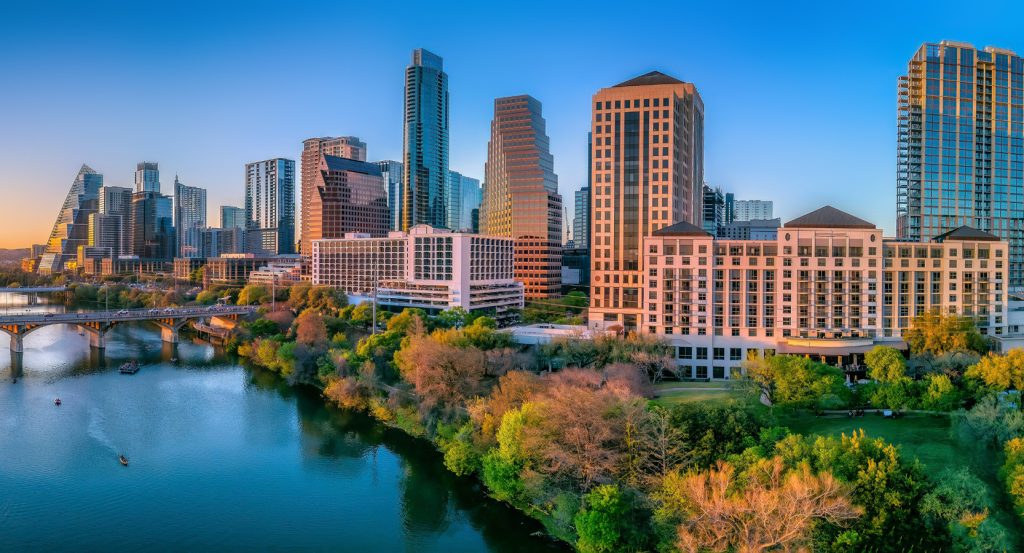
Why Oltorf Street matters.
Oltorf Street is a spirited South Austin corridor where neighborhood life, cultural diversity, and urban connectivity converge along one of the city's most important east-west thoroughfares.
Running through South Austin between Bouldin Creek and Travis Heights, this dynamic corridor connects established residential neighborhoods with architecturally significant civic facilities, celebrated parks, thriving local businesses, welcoming cultural destinations, and enduring community institutions that collectively showcase Austin's remarkable blend of historic character and contemporary growth. Tree-lined streets, thoughtfully developed commercial centers, energetic neighborhood activity, celebrated independent businesses, flourishing public spaces, and enduring community traditions create an urban landscape where generations of families, entrepreneurs, students, residents, and visitors have experienced one of Central Texas's defining neighborhood corridors. Oltorf Street continues to evolve while preserving its essential role as one of South Austin's primary community connectors. The result is a corridor defined by neighborhood vitality, cultural diversity, and lasting civic significance.
What defines Oltorf Street.
Oltorf Street is best known for bordering the Elisabet Ney Museum, where the preserved studio of one of the nineteenth century's most celebrated sculptors remains one of the few artist-designed studios in the United States to survive substantially intact while showcasing works by the creator of the Texas Capitol's Stephen F. Austin and Sam Houston statues.
Completed in 1892 as both a residence and working studio, the distinctive limestone building reflects Ney's artistic vision and preserves an extraordinary collection of sculptures, sketches, furnishings, and personal artifacts documenting her influential career. Following her death, the studio became one of Austin's earliest art museums, providing generations of visitors with rare insight into the life and work of an internationally acclaimed artist whose public monuments continue to define Texas's civic landscape. Today, the museum remains one of Austin's most significant cultural institutions, reinforcing the city's longstanding commitment to preserving its artistic heritage. That extraordinary artistic legacy has established Oltorf Street as one of the city's most culturally significant corridors.
How Oltorf Street fits.
Oltorf Street works as an exploration of South Austin's neighborhood culture, historic landmarks, and public parks.
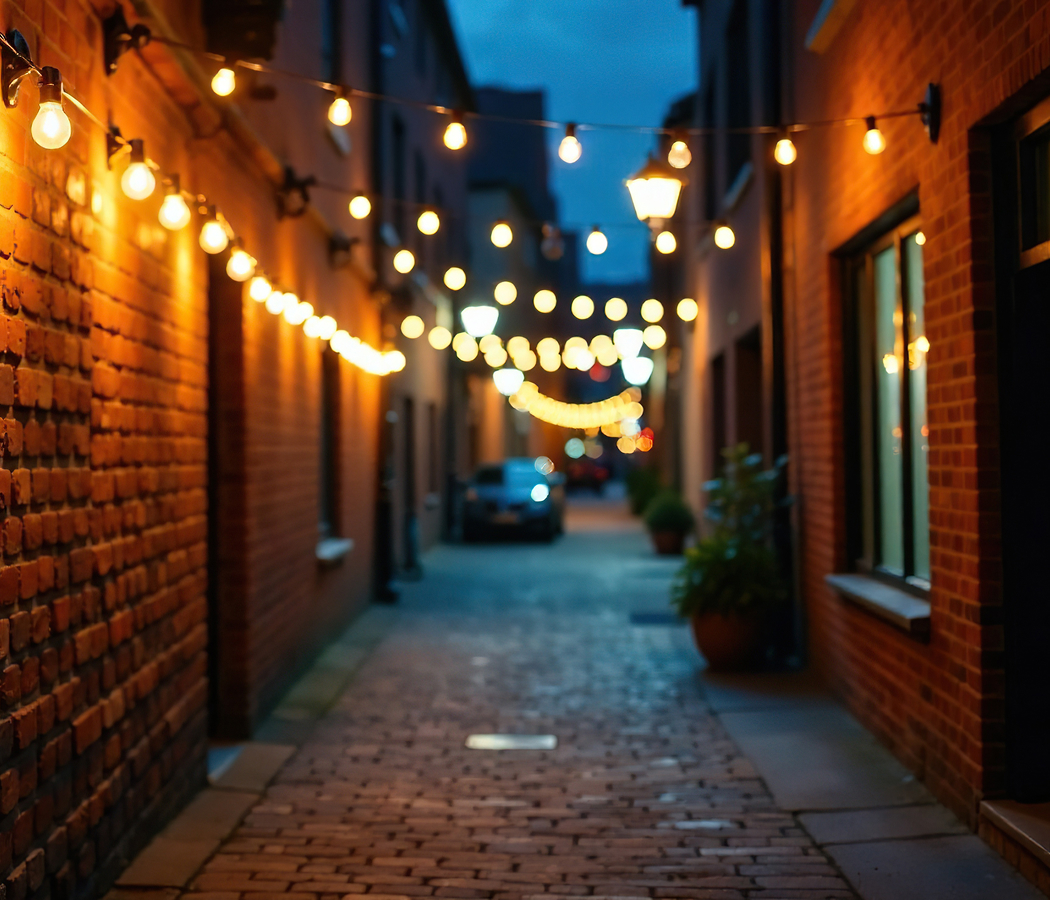
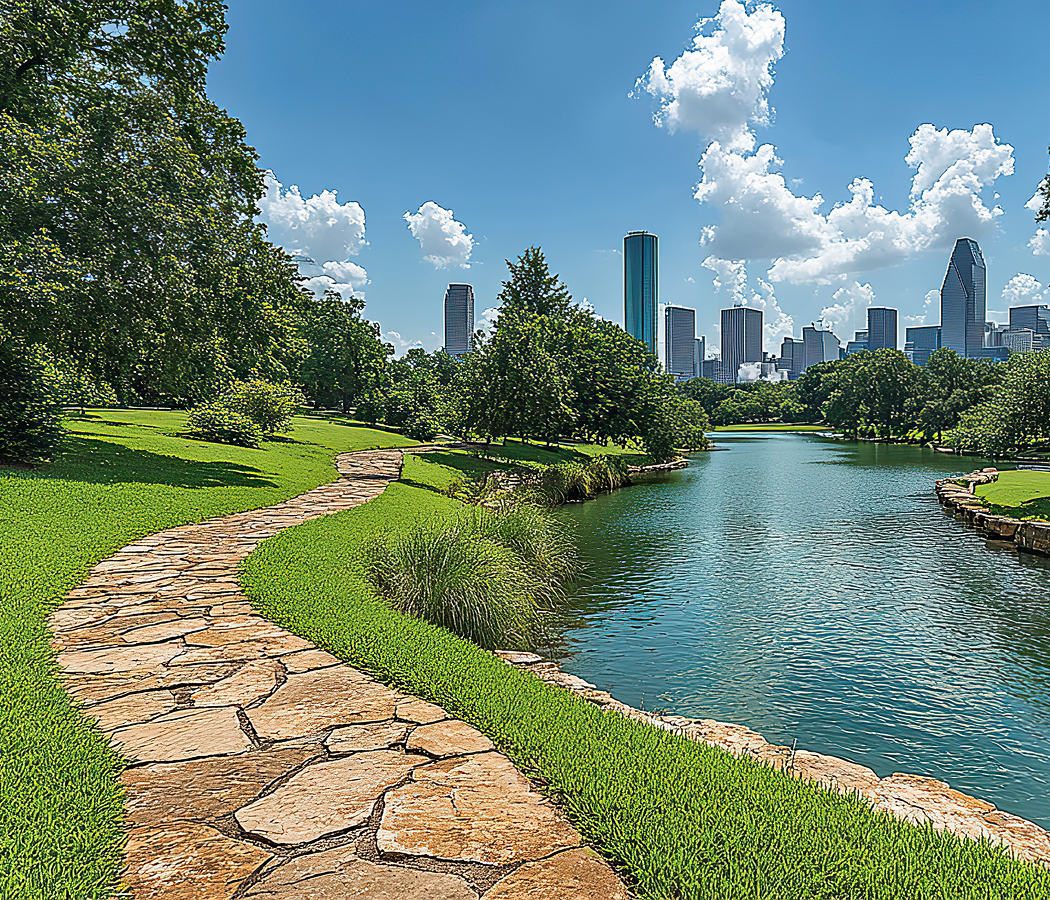
Begin along Oltorf Street, where the lively neighborhood streetscape immediately establishes the corridor's defining identity. Continue toward the Elisabet Ney Museum, where one of Austin's most distinctive historic museums provides broader perspective on the corridor's extraordinary cultural legacy. From there, make your way to Big Stacy Park, where spring-fed waters, shaded walking trails, and expansive green space provide a memorable conclusion while celebrating South Austin's enduring blend of history, recreation, and community life. Along the way, you'll encounter architecturally significant neighborhood buildings, welcoming local businesses, thriving public spaces, beautifully maintained parkland, celebrated cultural destinations, and energetic gathering places that reveal South Austin's exceptional depth. The progression moves naturally from a defining neighborhood corridor to a nationally significant artist's studio to one of South Austin's most beloved parks, demonstrating how Oltorf Street connects artistic heritage, community life, and neighborhood discovery.
Where your story begins.
Foresyte Travel reveals places that feel extraordinary long before you arrive.
Enjoy editorial crafted for luxury travelers.
Foresyte may earn a commission when you book.