Why you should experience Sedgwick Street in Chicago, Illinois.
Sedgwick Street is a storied corridor where Old Town's architectural heritage, Chicago's urban evolution, and the Near North Side's enduring neighborhood character unfold along one of the city's oldest streets.
Running through Old Town between Lincoln Park and River North, the corridor connects historic churches, Victorian residences, neighborhood institutions, independent businesses, and tree-lined residential blocks that collectively reflect more than a century of continuous development. Brick cottages, greystones, nineteenth-century row houses, and carefully preserved commercial façades establish a streetscape that survived dramatic moments in Chicago's history while retaining its intimate scale. Walking along Sedgwick Street reveals how residential growth, preservation, and community stewardship combined to create one of the city's most distinctive neighborhood corridors. The result is a corridor whose enduring character reflects the character of Old Town.
What you should know about Sedgwick Street.
Sedgwick Street is best known for preserving one of the Near North Side's oldest street alignments, with residential development accelerating after the Great Chicago Fire of 1871 as rebuilding efforts reshaped the surrounding neighborhood while allowing portions of Old Town's earlier urban fabric to endure. Extension of the North Side Cable Railway during the late nineteenth century, followed by nearby service on the North Western Elevated Railroad beginning in 1900, strengthened connections between Downtown and the expanding North Side while encouraging sustained residential and commercial investment. Between the 1870s and the 1930s, builders introduced an enduring collection of Italianate cottages, Queen Anne residences, greystones, and courtyard apartment buildings that continue defining Sedgwick Street's architectural character. Long-term preservation initiatives have safeguarded the corridor's historic streetscape, allowing successive generations of residents to retain one of Chicago's richest collections of nineteenth-century residential architecture.
Designation of the Old Town Triangle Historic District in 1977 recognized the architectural significance of the surrounding neighborhood while protecting hundreds of historic residences that demonstrate Chicago's nineteenth-century residential development. Architects including Frank A. Schneider and Henry Ives Cobb contributed residential commissions throughout the broader district that reinforced Sedgwick Street's architectural distinction through finely detailed masonry craftsmanship and period design. Ongoing rehabilitation of historic residences, adaptive reuse of neighborhood commercial buildings, and stewardship by the Old Town Triangle Association have preserved the corridor's historic scale while encouraging thoughtful reinvestment that respects its longstanding architectural identity. Together, these preservation efforts, architectural commissions, and community partnerships demonstrate how Sedgwick Street has maintained its historic character while continuing to evolve within Old Town.
How to fold Sedgwick Street into your trip.
Sedgwick Street is best experienced through an exploration of Old Town's architectural heritage, neighborhood culture, and historic public spaces.
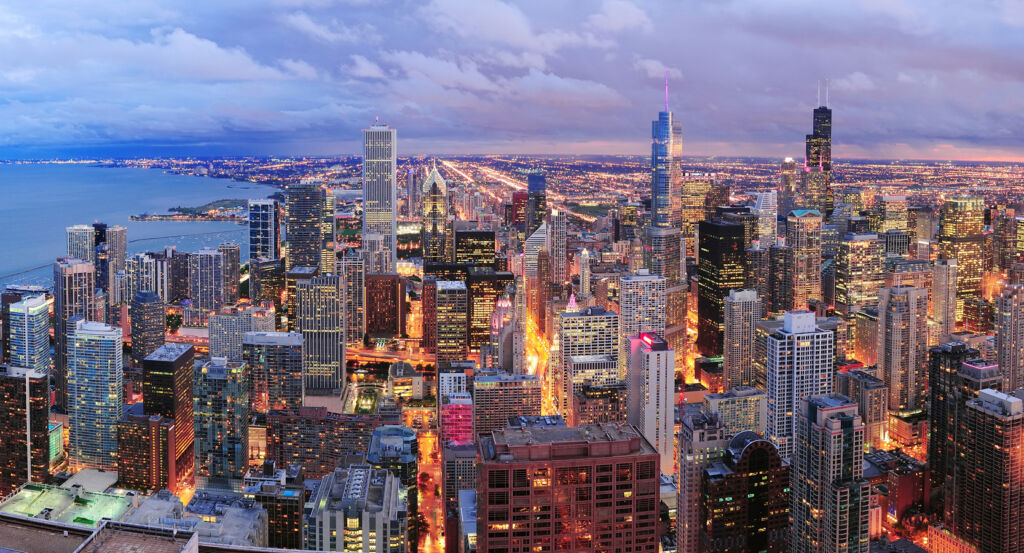
Begin at St. Michael's Church, where one of the few structures to survive the Great Chicago Fire establishes the historical foundation for understanding the resilience that shaped Old Town and the surrounding streets. Continue to The Second City, whose celebrated improvisational stage expands the journey by illustrating how the neighborhood became an enduring center of American comedy and creative expression alongside its preserved historic fabric. Conclude at Lincoln Park, where expansive landscapes, quiet walking paths, and sweeping views toward the skyline provide the historical and scenic payoff while placing Sedgwick Street within the broader setting that has shaped the neighborhood for generations. The progression moves naturally from one of Old Town's oldest surviving buildings to its cultural character before concluding within the park that frames the neighborhood, revealing how Sedgwick Street connects Chicago's resilience, creativity, and enduring sense of place.
Where your story begins.
Foresyte Travel reveals places that feel extraordinary long before you arrive.
Experience premium editorial crafted for luxury travelers.