Why you should experience Spring Valley Road in Dallas, Texas.
Spring Valley Road is an enterprising corridor where Far North Dallas' suburban evolution, corporate innovation, neighborhood connectivity, and expansive green spaces create one of the city's most important east-west thoroughfares.
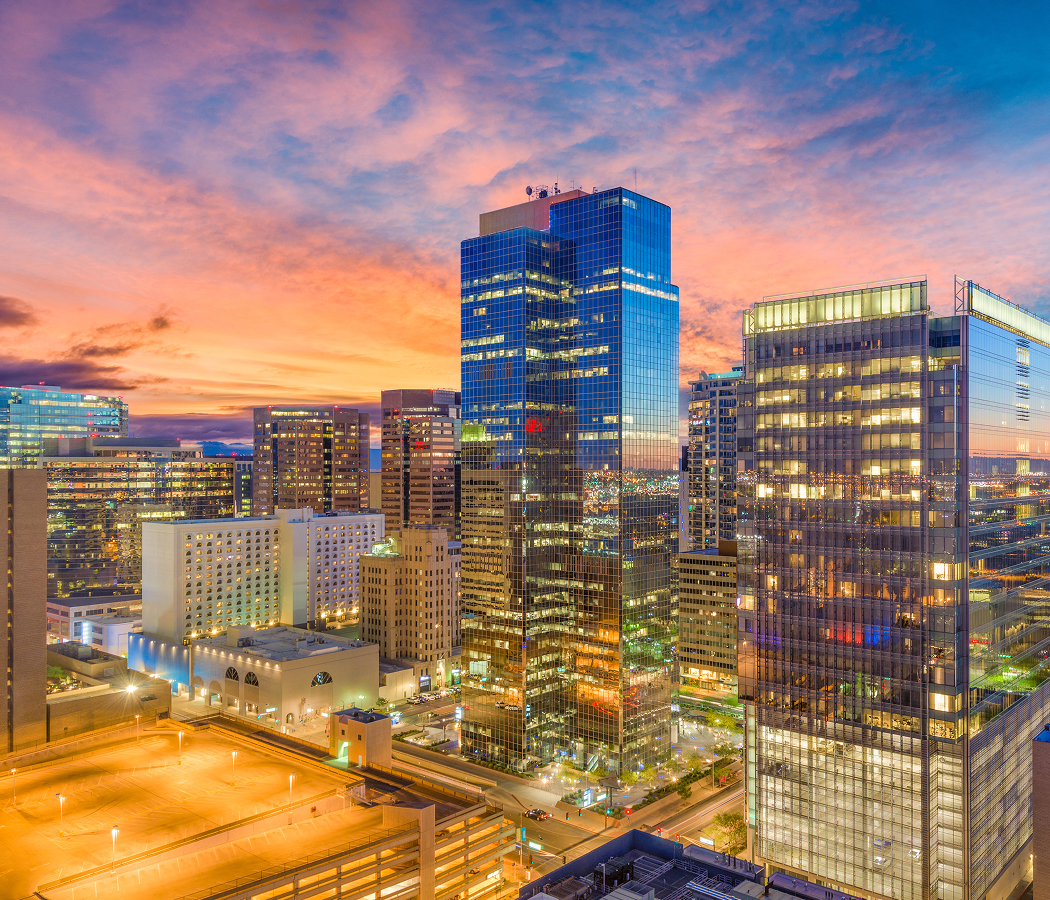
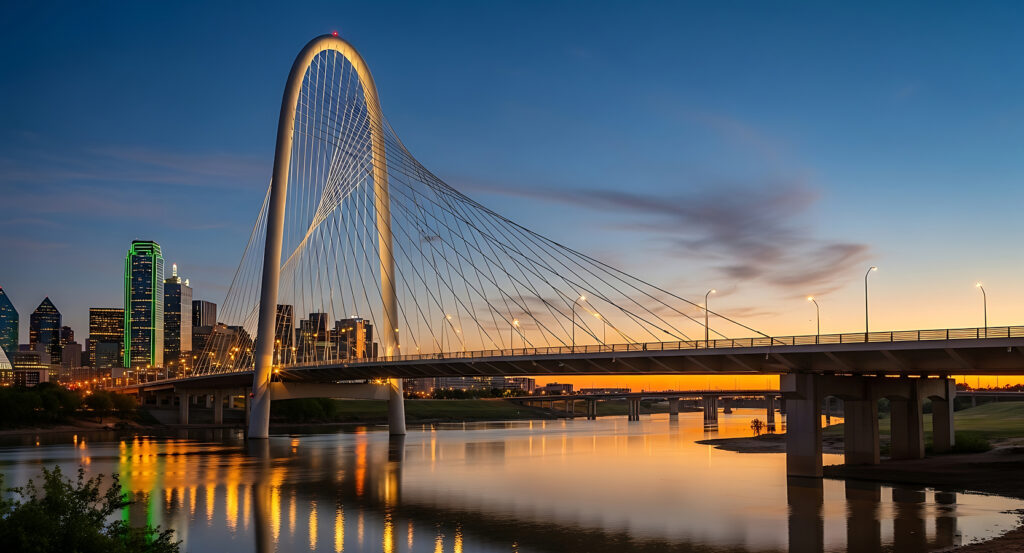
Running through Far North Dallas between Preston Hollow and Richardson, the corridor connects corporate campuses, established neighborhoods, retail districts, parks, and civic institutions that reflect decades of sustained metropolitan growth. Each successive stretch reveals landscaped medians, contemporary office buildings, mature live oaks, neighborhood shopping centers, and interconnected trail corridors that reinforce the roadway's role as a defining artery across North Dallas. The defining moment arrives as Spring Valley Road demonstrates how transportation, thoughtful planning, and economic investment have shaped one of the region's most influential suburban corridors. The result is an experience defined by modern vitality, landscape continuity, and one of Far North Dallas' most engaging roadways.
What you should know about Spring Valley Road.
Spring Valley Road is best known for expanding during North Dallas' dramatic suburban growth following World War II, when residential subdivisions, commercial centers, and transportation improvements transformed former agricultural land throughout the 1950s, 1960s, and 1970s into one of North Texas' fastest-growing districts. Development introduced extensive collections of Mid-Century Modern, Ranch, Contemporary, and later corporate architecture characterized by brick masonry, precast concrete panels, curtain-wall glazing, structural steel framing, broad landscaped setbacks, divided arterial roadways, and integrated utility infrastructure that continue defining the corridor's physical identity. Completion of the nearby Dallas North Tollway and President George Bush Turnpike strengthened Spring Valley Road's strategic role by connecting residential neighborhoods with expanding employment centers, educational campuses, healthcare facilities, and regional commerce across northern Dallas County. Growth of the Dallas Area Rapid Transit network further enhanced regional accessibility by linking surrounding communities through multimodal transportation that complemented the corridor's established roadway infrastructure. Coordinated median landscaping, upgraded intersections, drainage improvements, and continuous sidewalk construction continue expressing the long-term planning principles that supported Far North Dallas' sustained expansion. Collectively, the corridor's suburban development, transportation investment, architectural evolution, and coordinated infrastructure established Spring Valley Road as one of North Dallas' defining modern corridors.
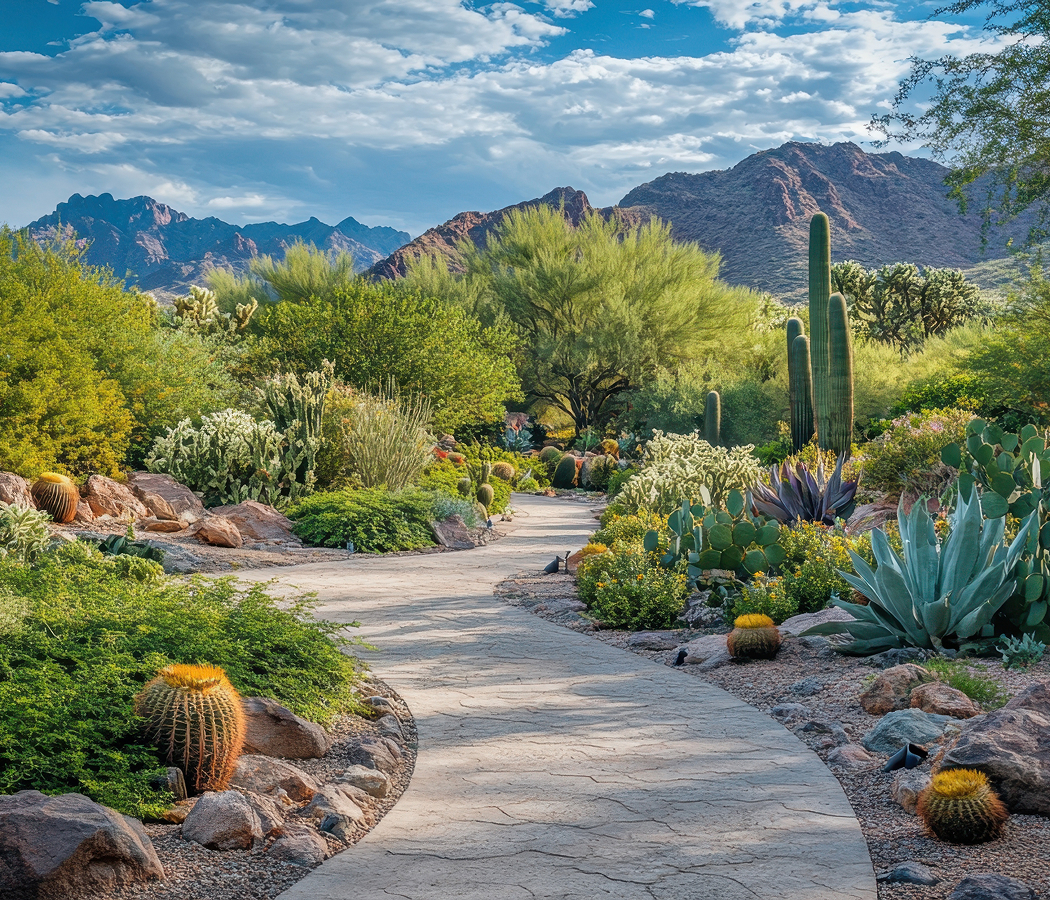
The North Central Texas Council of Governments continues advancing regional mobility planning, bicycle infrastructure, and multimodal transportation initiatives that strengthen the communities connected by Spring Valley Road while supporting long-term economic growth. The North Texas Municipal Water District has reinforced the corridor's environmental resilience through regional water infrastructure and reclaimed-water systems that sustain landscaped medians, civic plantings, and public green spaces throughout the surrounding area. Native live oaks, cedar elms, bur oaks, prairie grasses, bioswales, and limestone retaining walls contribute a resilient landscape that moderates stormwater, expands urban tree canopy, and complements the corridor's contemporary development. Together, these regional partnerships, environmental investments, and carefully maintained landscape features demonstrate how Spring Valley Road has evolved through sustained stewardship that balances transportation efficiency with long-term environmental quality.
How to fold Spring Valley Road into your trip.
Spring Valley Road works as an exploration of North Dallas' contemporary parks, commerce, and outdoor spaces.
Begin at Galleria Dallas, where innovative architecture and one of North Texas' premier shopping destinations introduce the commercial vitality that has long defined the surrounding corridor before naturally leading eastward. Continue to White Rock Creek Trail, where wooded pathways, native habitats, and restored riparian landscapes deepen appreciation for the natural systems that continue shaping North Dallas before guiding the experience toward its cultural conclusion. Conclude at WaterTower Theatre, where nationally recognized productions provide the cultural payoff by highlighting the creative energy that complements the corridor's modern suburban identity. The progression moves naturally from commercial innovation to preserved green space before culminating in a celebrated performing arts venue that completes the story of Spring Valley Road.
Where your story begins.
Foresyte Travel reveals places that feel extraordinary long before you arrive.
Experience premium editorial crafted for luxury travelers.