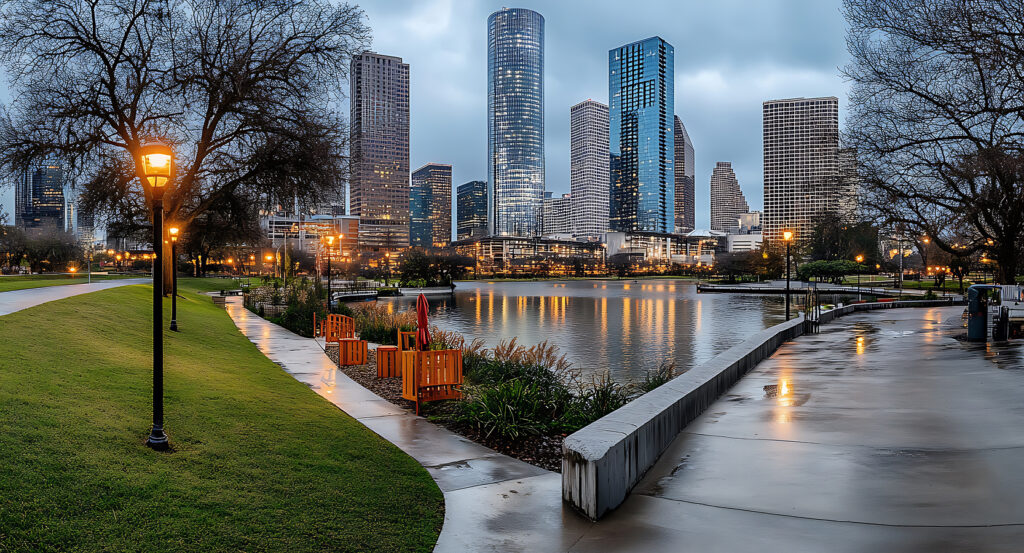
Why you should experience St. Charles Street in Houston, Texas.
St. Charles Street is a graceful corridor where Midtown's architectural legacy, cultural diversity, institutional heritage, and enduring neighborhood character converge within one of Houston's oldest urban districts.
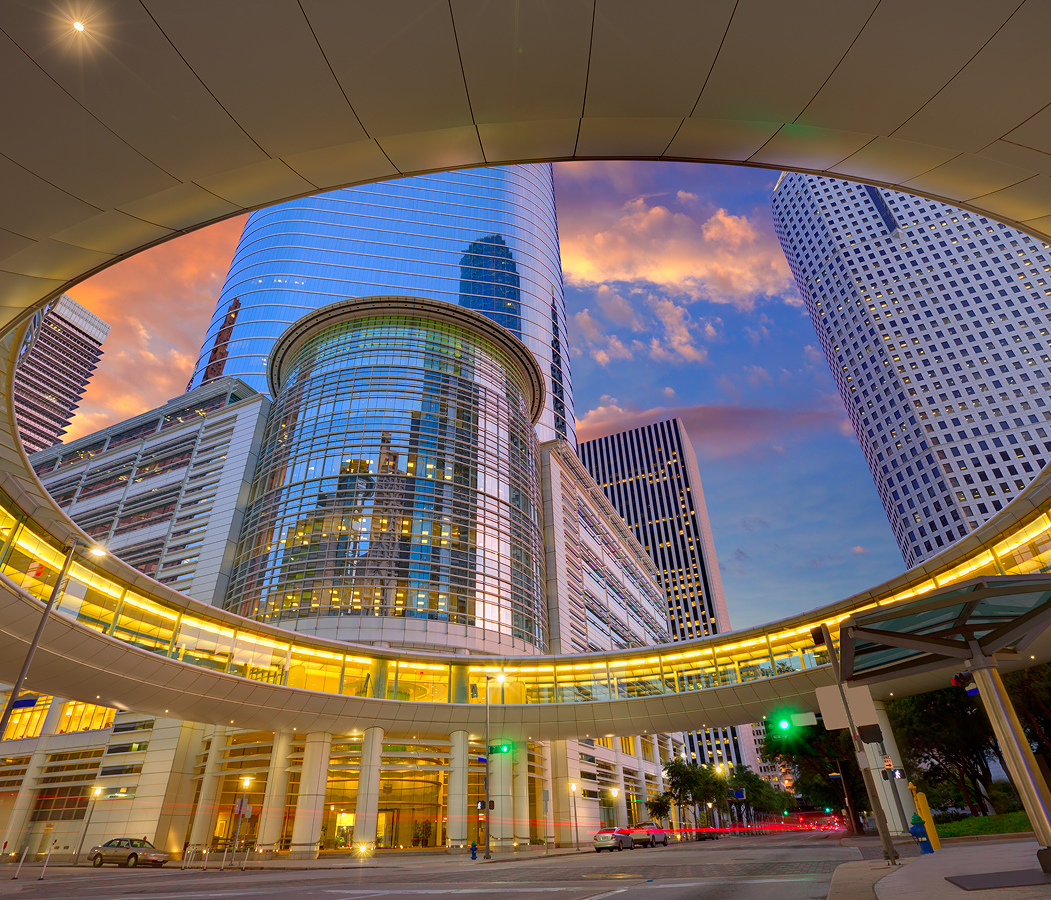
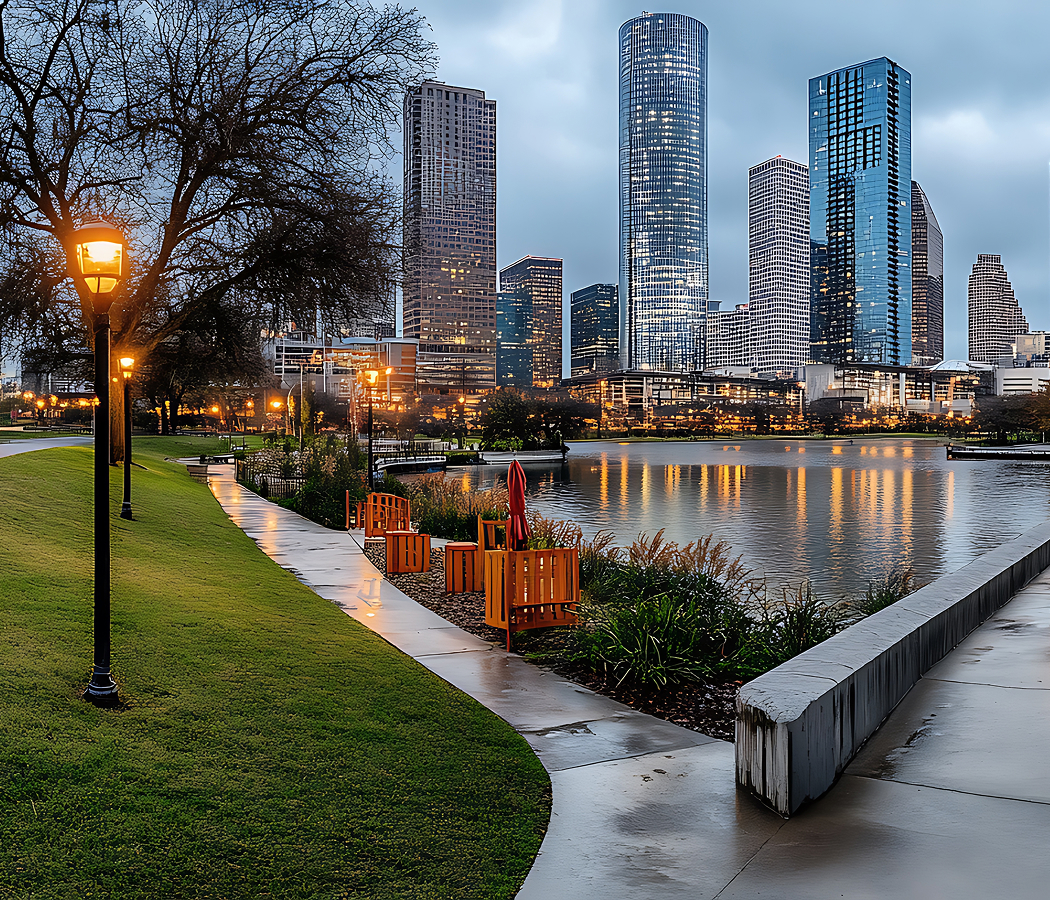
Running through Midtown between Downtown and Museum District, the corridor links historic residential blocks, churches, cultural institutions, and long-established commercial streets that collectively reflect Houston's transformation from a nineteenth-century railroad town into a modern global city. Mature live oaks, preserved brick buildings, restored historic residences, and carefully integrated contemporary development create a streetscape where multiple generations of urban history remain visible. Continued reinvestment has strengthened the corridor while preserving the historic structure that distinguishes Midtown from newer districts across Houston. The result is an experience defined by architectural continuity, cultural depth, and one of Midtown's most engaging corridors.
What you should know about St. Charles Street.
St. Charles Street is best known for extending through Midtown, where residential growth accelerated during the late nineteenth century as the arrival of the Houston and Texas Central Railway and expanding streetcar lines encouraged development immediately south of downtown. The surrounding neighborhood became home to merchants, professionals, religious congregations, and immigrant communities whose investment produced an enduring collection of Queen Anne, Classical Revival, Prairie School, and Craftsman architecture that continues defining Midtown's historic streetscape. Institutions including Houston Community College Central Campus later reinforced the corridor's longstanding educational and civic presence while historic churches and neighborhood organizations contributed to its remarkable cultural continuity. Continued preservation and adaptive reuse have enabled St. Charles Street to retain the architectural rhythm established during Houston's principal era of residential expansion while accommodating thoughtful contemporary growth. Collectively, the corridor's railroad heritage, architectural diversity, institutional legacy, and neighborhood continuity establish St. Charles Street as one of Midtown's defining historic corridors.
Along the corridor, First Presbyterian Church of Houston, whose congregation was organized in 1838, represents one of the city's oldest religious institutions, reflecting the longstanding role that faith communities have played in shaping Midtown's civic and cultural identity. That tradition continued as nearby Bering Memorial Methodist Church, completed in 1957 to designs by Harwood K. Smith & Partners, introduced a distinctive Modernist sanctuary whose expressive concrete forms demonstrate the architectural evolution surrounding St. Charles Street during the postwar era. Nearby Baldwin Park, created through the restoration of the former Central YMCA property, demonstrates how preserved open space and commemorative public landscapes have strengthened the corridor while honoring Midtown's historical fabric. Together, these historic congregations, architecturally significant buildings, and thoughtfully preserved public spaces demonstrate how St. Charles Street developed within a corridor whose residential character is reinforced by enduring religious, architectural, and civic traditions.
How to fold St. Charles Street into your trip.
St. Charles Street works as an exploration of Midtown's artistic vitality, architectural heritage, and Houston's early civic history.
Begin at The Heritage Society at Sam Houston Park, where preserved nineteenth-century homes and interpretive collections establish the historical foundation for understanding Houston's earliest urban development. Continue to The Menil Collection, where internationally renowned art, serene gallery spaces, and thoughtful curation expand the experience through one of Houston's defining cultural institutions. Conclude at Rothko Chapel, where Mark Rothko's grand paintings and the chapel's internationally recognized commitment to art, contemplation, and human rights provide the historical and cultural payoff. The progression moves naturally from Houston's architectural origins through world-class artistic expression before culminating in one of the city's most influential cultural landmarks.
Where your story begins.
Foresyte Travel reveals places that feel extraordinary long before you arrive.
Experience premium editorial crafted for luxury travelers.