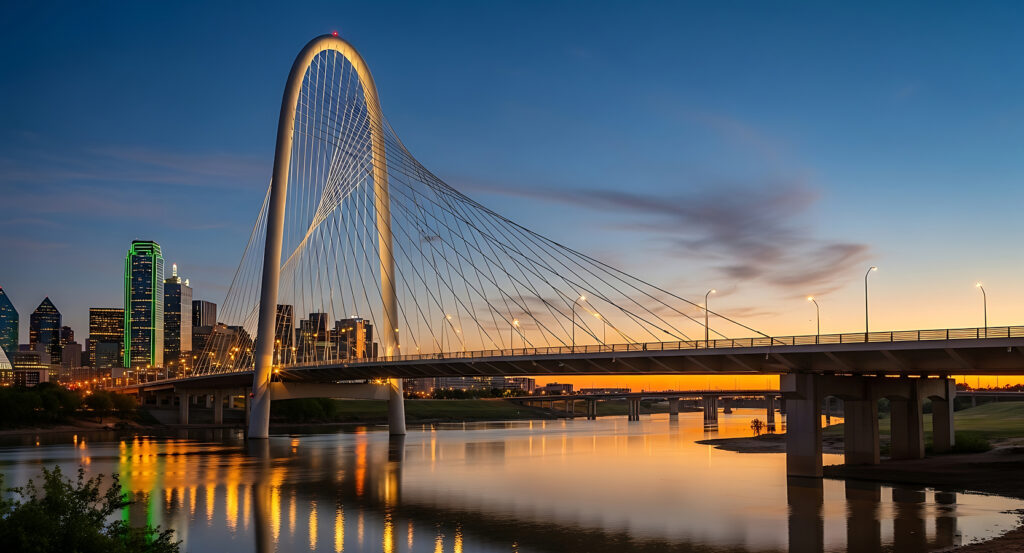
Why St. Paul Street matters.
St. Paul Street is a distinguished corridor where Downtown's civic ambition, architectural innovation, commercial heritage, and cultural vitality define one of the city's most recognizable urban avenues.
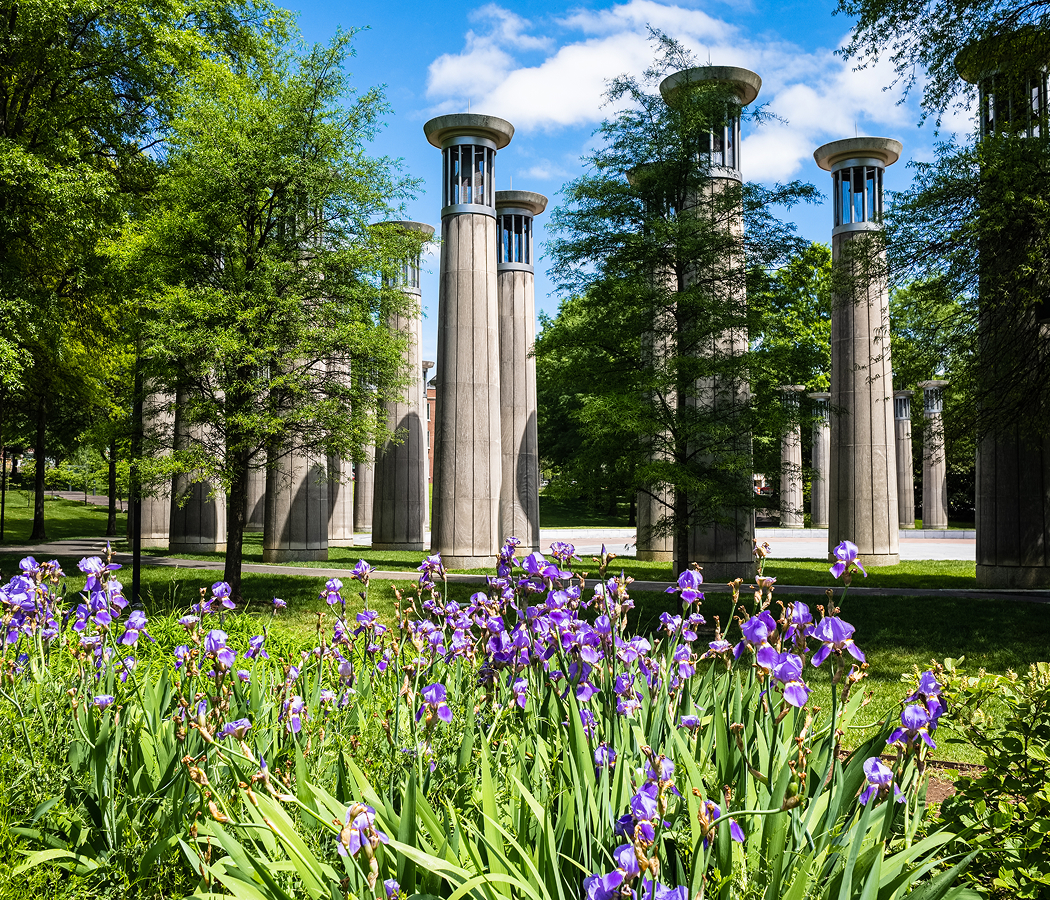
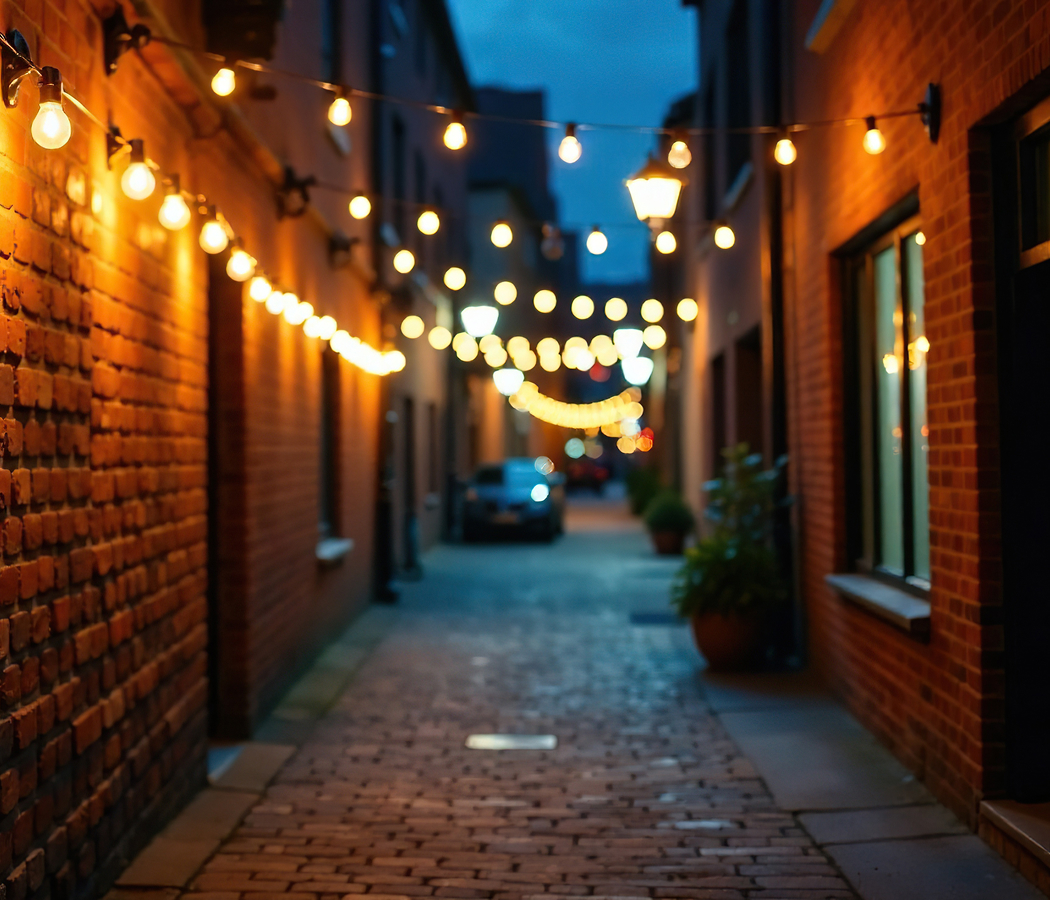
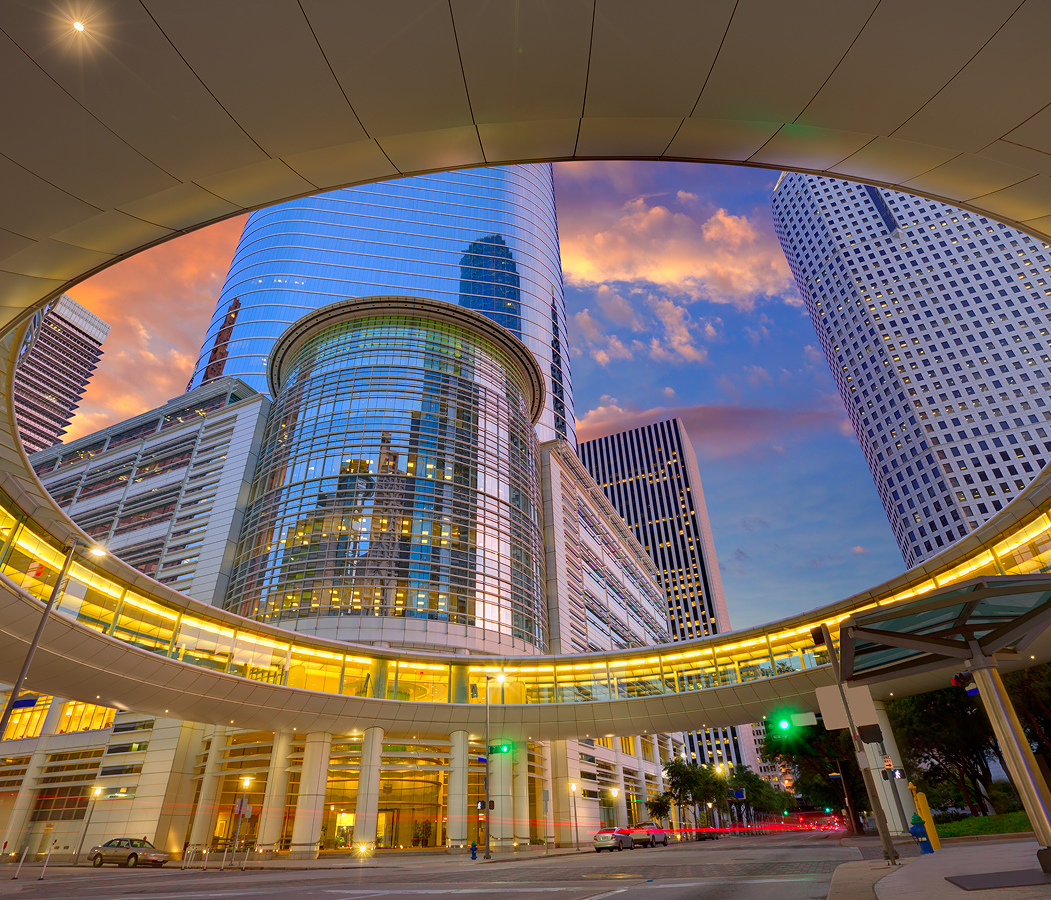
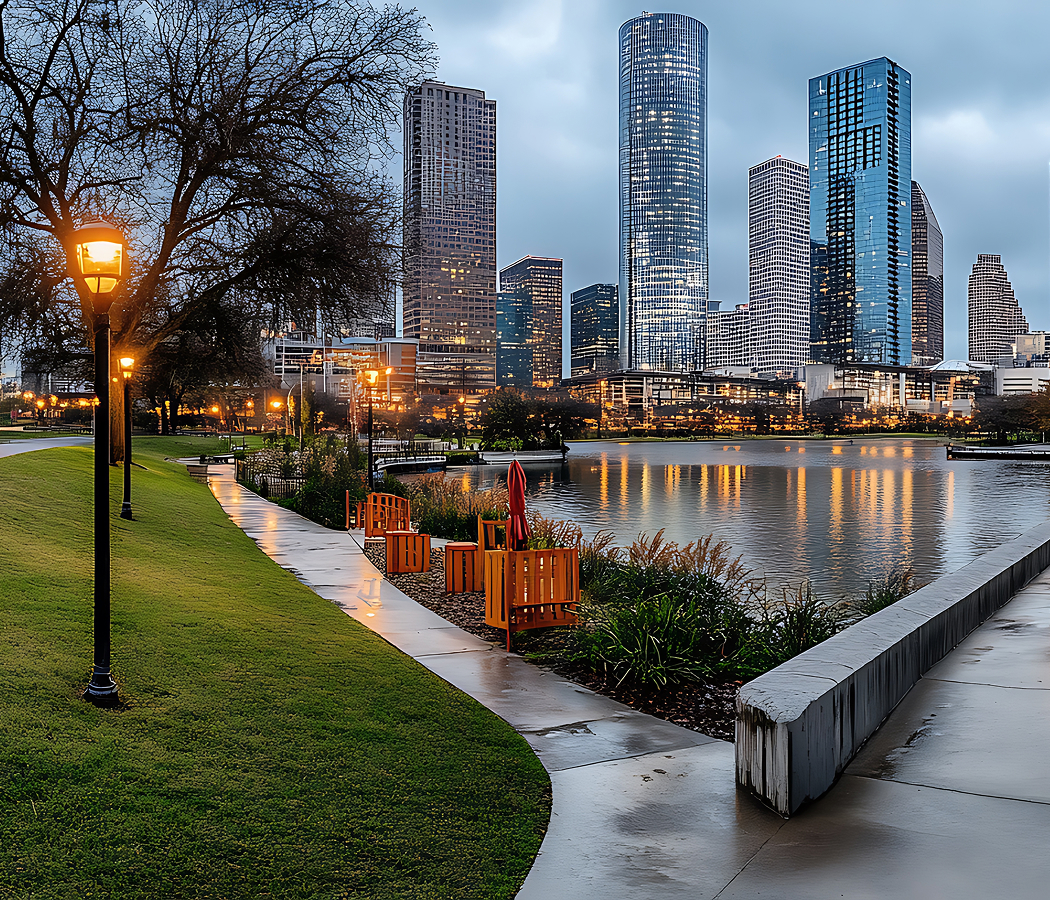
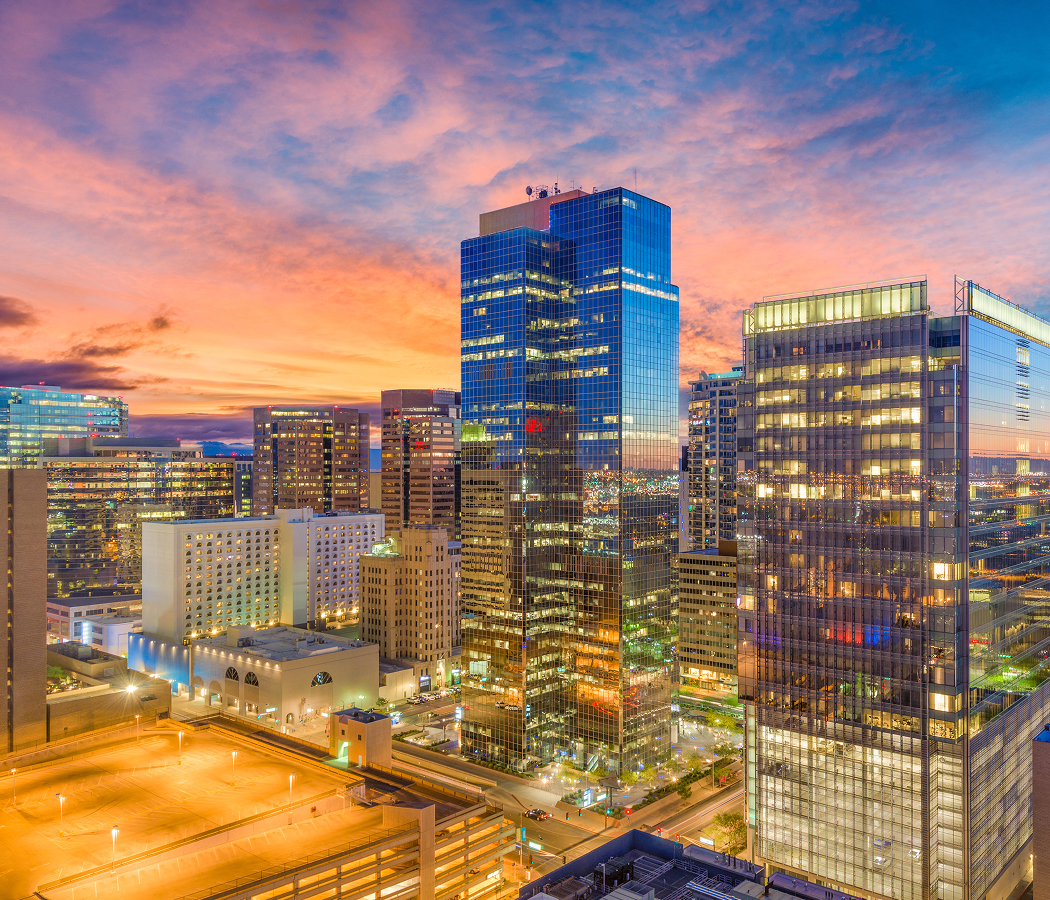
Running through Downtown between the Arts District and the Government District, the corridor connects landmark office towers, museums, hotels, transit facilities, and public plazas that reflect more than a century of metropolitan growth. Each successive block reveals polished granite façades, glass skyscrapers, historic masonry, mature street trees, and pedestrian-oriented streetscapes that reinforce the avenue's central role within the city's urban core. The defining moment arrives as St. Paul Street demonstrates how successive generations of architecture and infrastructure have continually reshaped the heart of Dallas. The result is an experience defined by civic prominence, architectural diversity, and one of Downtown's most compelling corridors.
What defines St. Paul Street.
St. Paul Street is best known for evolving alongside Downtown's emergence as the city's financial and commercial center during the late nineteenth and twentieth centuries, when expanding rail connections and sustained economic growth transformed the surrounding district into North Texas' principal business center. Construction between the 1910s and 1980s introduced an exceptional collection of Beaux-Arts, Art Deco, International Style, and Modernist architecture distinguished by granite cladding, Indiana limestone, structural steel framing, curtain-wall glazing, ornamental terra cotta, and reinforced concrete construction that continue defining the corridor's architectural identity. The avenue became closely associated with the growth of the St. Paul Station, among the original Dallas Area Rapid Transit light rail stations that opened in 1996, strengthening Downtown's regional accessibility while reinforcing the street's long-established transportation role. Nearby commercial towers, hotels, and institutional buildings reflect successive waves of redevelopment that respected the original street grid while accommodating increasingly sophisticated office construction throughout the twentieth century. Coordinated streetscape improvements, expanded sidewalks, public lighting, and landscaped plazas continue expressing Downtown's long-term commitment to a walkable civic environment. Collectively, the corridor's commercial evolution, architectural diversity, transportation investment, and public realm improvements established St. Paul Street as one of Downtown's defining urban corridors.
Downtown-Dallas, Inc. continues coordinating streetscape enhancements, public space programming, mobility initiatives, and economic development efforts that reinforce St. Paul Street's role as a spirited civic and commercial address. I. M. Pei's design for Dallas City Hall, completed in 1978, influenced the architectural direction of the surrounding downtown core by demonstrating the city's embrace of bold Modernist civic design during an important period of urban redevelopment. Native cedar elms, live oaks, ornamental planting beds, granite seating walls, and bioswales contribute a resilient landscape that softens the dense urban environment while complementing the avenue's contemporary skyline. Together, these civic organizations, architectural influences, and carefully integrated landscape features demonstrate how St. Paul Street continues evolving while preserving its longstanding role within the center of Dallas.
How St. Paul Street fits.
St. Paul Street works as a walk through the architectural and cultural heart of Downtown.
Begin at Dallas Museum of Art, where internationally renowned collections establish the cultural significance of the Arts District while naturally introducing the architectural richness surrounding St. Paul Street. Continue to Thanks-Giving Square, where the contemplative garden, chapel, and public plaza deepen appreciation for Downtown's civic landscape before guiding the experience toward the city's historic core. Conclude at Dealey Plaza, where one of America's most significant historic sites provides the historical payoff by connecting Downtown's architectural evolution with an event that permanently shaped the nation's history. The progression moves naturally from artistic achievement to civic reflection before culminating in a place of profound historical significance.
Where your story begins.
Foresyte Travel reveals places that feel extraordinary long before you arrive.
Experience premium editorial crafted for luxury travelers.