Why St. Roch Market matters.
St. Roch Market is a historic food hall where Faubourg Marigny's neighborhood heritage, culinary innovation, community gathering, and architectural preservation celebrate one of New Orleans' most enduring public markets.
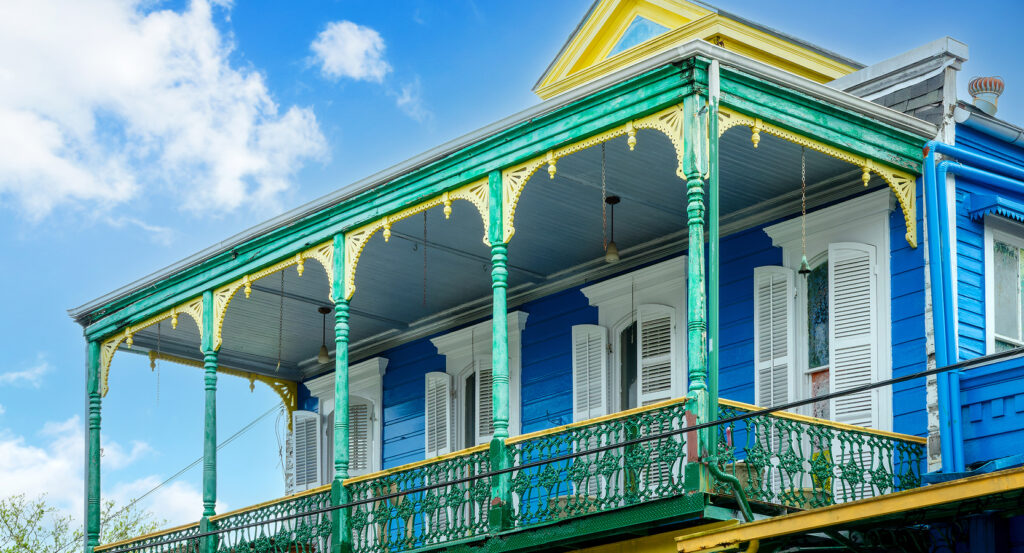
Set along St. Claude Avenue near St. Roch Avenue and just steps from St. Roch Cemetery No. 1, this beautifully restored market combines locally owned food vendors, historic ironwork, soaring timber ceilings, original masonry, and energetic communal dining spaces within one of the city's most significant nineteenth-century market buildings. Carefully preserved architecture, diverse regional cuisine, and lively neighborhood energy create an atmosphere that reflects both New Orleans' historic market tradition and its continually evolving culinary culture. Every visit introduces another expression of the city's extraordinary food heritage. The result is an experience defined by history, craftsmanship, and one of New Orleans' premier culinary destinations.
What defines St. Roch Market.
St. Roch Market is best known for preserving one of the last surviving nineteenth-century public markets built under New Orleans' historic municipal market system, opening in 1875 to serve the rapidly growing neighborhoods beyond the French Quarter while continuing a public market tradition that had shaped the city's food culture since the eighteenth century. Designed by City Architect Joseph Abeilard, the market featured an innovative cast-iron structural system, lofty ventilated roofline, open-air vendor stalls, and durable brick construction specifically engineered for New Orleans' subtropical climate and daily fresh-food commerce. Named after nearby St. Roch Cemetery and the patron saint traditionally invoked against epidemics, the market became a vital neighborhood institution supplying meat, seafood, produce, baked goods, and household necessities for generations of residents. Following decades of decline after the municipal market system dissolved during the twentieth century, the building suffered severe flooding during Hurricane Katrina in 2005, prompting an extensive $3.7 million restoration completed in 2015 through the City of New Orleans and preservation partners. The rehabilitation meticulously restored the historic iron columns, timber roof structure, masonry walls, and architectural character while adapting the building into a contemporary food hall housing rotating independent chefs, regional food concepts, craft beverage vendors, and communal dining spaces. Listed on the National Register of Historic Places as part of the St. Roch Historic District, the market continues bridging nineteenth-century civic architecture with New Orleans' internationally celebrated culinary scene while supporting local entrepreneurs and preserving one of the city's most significant historic commercial buildings. Together, historic preservation, municipal market history, architectural innovation, culinary entrepreneurship, and community revitalization establish St. Roch Market as one of New Orleans' most important food destinations.
The market continues demonstrating how adaptive reuse can preserve a historic civic landmark while strengthening neighborhood character through locally driven food culture and community gathering. Faithfully restored nineteenth-century architecture, continually evolving culinary offerings, entrepreneurial opportunity, and enduring public stewardship reinforce St. Roch Market's standing among New Orleans' finest examples of historic preservation and contemporary urban revitalization.
How St. Roch Market fits.
St. Roch Market works as part of an exploration through New Orleans' historic Bywater and Faubourg Marigny neighborhoods.
Begin at St. Roch Cemetery No. 1, where one of New Orleans' most historic cemeteries introduces the neighborhood's rich heritage before exploring St. Roch Market. Continue to New Orleans Healing Center, where locally owned shops, cultural organizations, and wellness spaces provide a distinctive complement to the market's community-focused atmosphere. Conclude at Crescent Park, where sweeping Mississippi River views and innovative landscape architecture provide a memorable finale celebrating the remarkable relationship between New Orleans' historic neighborhoods, public spaces, and evolving cultural identity. The progression moves naturally from historic heritage to neighborhood creativity before concluding along the city's revitalized riverfront, revealing why St. Roch Market remains one of New Orleans' most rewarding culinary experiences.
Where your story begins.
Foresyte Travel reveals places that feel extraordinary long before you arrive.
Enjoy editorial crafted for luxury travelers.
Foresyte may earn a commission when you book.