Why Telephone Road matters.
Telephone Road is a historic East End corridor where industrial heritage, multicultural communities, and Houston's enduring spirit of reinvention converge along one of the city's oldest and most influential thoroughfares.
Running through East End between Second Ward and Greater Hobby Area, this expansive corridor connects historic commercial districts, neighborhood parks, international restaurants, locally owned businesses, schools, and residential communities that have shaped Houston's southeastern growth for more than a century. Longstanding storefronts, evolving business districts, and diverse neighborhoods create a streetscape that reflects the corridor's remarkable ability to adapt while preserving its deep historical roots. Generations of immigrants, entrepreneurs, and working families have contributed to an atmosphere defined by resilience and cultural diversity. The result is a street defined by history, community, and the everyday character that continues to shape Houston's East End.
What defines Telephone Road.
Telephone Road is best known for following the route of Houston's first long-distance telephone line, constructed in 1907 to connect the city with Galveston after the devastating 1900 hurricane, preserving a remarkable chapter of Texas communications history.
The corridor received its distinctive name after the telephone line was installed to improve communication between the two cities following one of the nation's deadliest natural disasters. As transportation and development expanded throughout the twentieth century, the road evolved into one of Houston's principal southeastern corridors while retaining the historical character rooted in its original purpose. Today, the roadway remains a lasting reminder of the technological infrastructure that helped reconnect the Gulf Coast during a pivotal period in Texas history. Few Houston streets derive their character from such a significant milestone in the evolution of modern communications.
How Telephone Road fits.
Telephone Road works as part of a day exploring Houston's East End history, public art, and multicultural food scene.
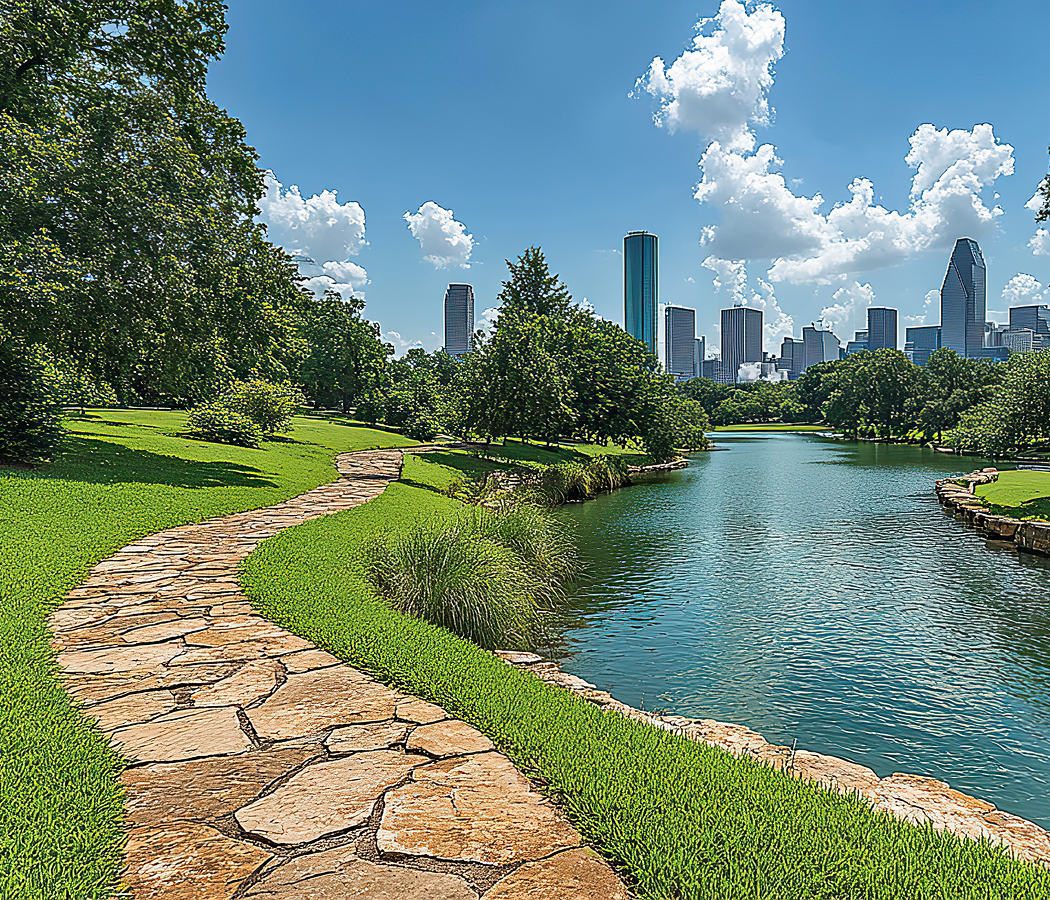
Begin by exploring Gus Wortham Park Golf Course, where beautifully restored fairways and mature landscapes introduce the historic character of Houston's East End before following Telephone Road through its energetic commercial districts. Continue to Smither Park, where extraordinary mosaic installations and imaginative public art celebrate the creative energy that defines this side of the city before enjoying lunch at one of the corridor's long-established local restaurants. As the afternoon unfolds, spend time at The Orange Show, where handcrafted folk art and visionary architecture provide an unforgettable conclusion before returning to Telephone Road as neighborhood businesses and cafés come alive. The experience flows naturally from historic recreation to community art and one of Houston's most distinctive cultural landmarks, revealing why Telephone Road remains one of the city's most fascinating corridors for discovering history, creativity, and neighborhood life.
Where your story begins.
Foresyte Travel reveals places that feel extraordinary long before you arrive.
Enjoy editorial crafted for luxury travelers.
Foresyte may earn a commission when you book.