Why The Drake matters.
The Drake is a patrician hotel where the Gold Coast's lakefront wealth, Jazz Age social rituals and architectural ambition converge at the northern gateway of Michigan Avenue.
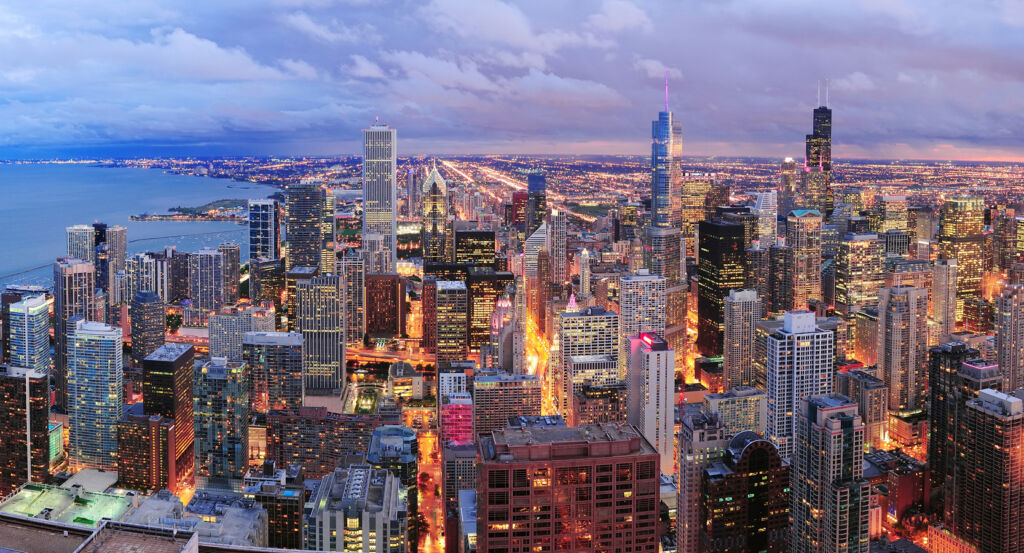
Set along East Walton Place near North Michigan Avenue and just steps from Oak Street Beach, the hotel occupies the pivotal site where Marshall & Fox's 1920 Italian Renaissance-inspired composition helped establish the lakefront as a new center of Chicago society just as the Michigan Avenue Bridge opened the Near North Side to intensive development. Brothers John B. Drake and Tracy C. Drake financed the $10 million project after previously developing the Blackstone Hotel, working with Benjamin Marshall and Charles Fox on a property conceived as an urban resort rather than simply another downtown lodging house. The Drake opened on New Year's Eve 1920 before 2,000 invited Chicagoans, placing its debut within the same year that the new bridge accelerated North Michigan Avenue's transformation and wealthy families increasingly exchanged private houses for the apartment buildings and residential hotels rising along the lake. The result is a hotel whose architecture, founders and opening date are inseparable from the moment Chicago's social geography shifted northward and the Gold Coast became the city's preeminent enclave of wealth.
What defines The Drake.
The Drake is best known for becoming a century-long stage for Chicago society and international celebrity, beginning with the Fountain Court, later Palm Court, where afternoon tea became a daily ritual before guests eventually included Queen Elizabeth II and Princess Diana. The Gold Coast Room developed another strand of the hotel's cultural life during the 1920s and 1930s, drawing Bing Crosby, Walt Disney, George Gershwin and Charles Lindbergh while bandleader Herbie Kay supplied its musical identity. The Cape Cod Room followed in 1932 as the nation's first themed restaurant, building its reputation around seafood before Marilyn Monroe and Joe DiMaggio carved their initials into its wooden bar during their marriage in the 1950s. The succession from Palm Court through Herbie Kay's Gold Coast Room to the Cape Cod Room connected royal visits, Hollywood figures, popular music and restaurant innovation inside a single property, turning The Drake's public rooms into participants in twentieth-century Chicago culture rather than ornamental settings around its guestrooms.
Coq d'Or added another enduring chapter on December 6, 1933, opening the day after Prohibition ended and becoming the second establishment in Chicago to receive a liquor license after repeal. The hotel's guest history subsequently expanded from entertainers such as Frank Sinatra and Dean Martin to aviator Amelia Earhart, British statesman Winston Churchill, Pope John Paul II and a succession of American presidents from Herbert Hoover through Bill Clinton. Princess Diana stayed at The Drake during her June 1996 Chicago visit, while Queen Elizabeth II had been honored there during her 1959 visit, extending the hotel's social role from Jazz Age Chicago into the ceremonial culture surrounding international figures. National Register listing followed in 1980, recognizing the architectural significance of Benjamin Marshall and Charles Fox's work while preserving within the historical record a hotel whose restaurants, musicians, political guests and royal visitors had already supplied six decades of cultural history.
How The Drake fits.
The Drake works as the anchor for an afternoon tracing the engineering, residential architecture and collecting culture that transformed Chicago's Near North Side during the decades surrounding the hotel's opening.
Begin at Chicago Water Tower, where architect William W. Boyington completed the castellated limestone tower in 1869 around a 138-foot standpipe used to regulate pressure from the city's new lake-water system, creating one of the few prominent structures in the district to survive the Great Chicago Fire two years later. Continue to 860-880 Lake Shore Drive, where Ludwig Mies van der Rohe completed the twin 26-story apartment towers in 1951 with Pace Associates, arranging steel-and-glass slabs around an open plaza and creating one of the defining American expressions of the International Style three decades after The Drake helped establish luxury apartment living along the same lakefront. Conclude at Museum of Contemporary Art Chicago, founded in 1967 and relocated in 1996 to Josef Paul Kleihues's first American building, a $46.5 million limestone-and-aluminum institution whose opening expanded the Near North Side's cultural character beyond the private clubs, hotels and residential wealth that had shaped the district earlier in the century. The progression moves from Boyington's post-Civil War water infrastructure through Mies's dramatic redefinition of lakefront domestic architecture into Kleihues's institution for contemporary art, placing The Drake within more than a century of architectural ambition surrounding the Gold Coast.
Where your story begins.
Foresyte Travel reveals places that feel extraordinary long before you arrive.
Enjoy editorial crafted for luxury travelers.
Foresyte may earn a commission when you book.