Why you should experience The Inn at 97 Winder in Detroit, Michigan.
The Inn at 97 Winder is architectural intimacy brought to modern life, historic fabric reimagined as contemporary comfort, and Detroit experienced at the scale of daily rhythm rather than tourist performance, a place where the city doesn't feel like an itinerary to conquer but a neighborhood to be lived in and savored.
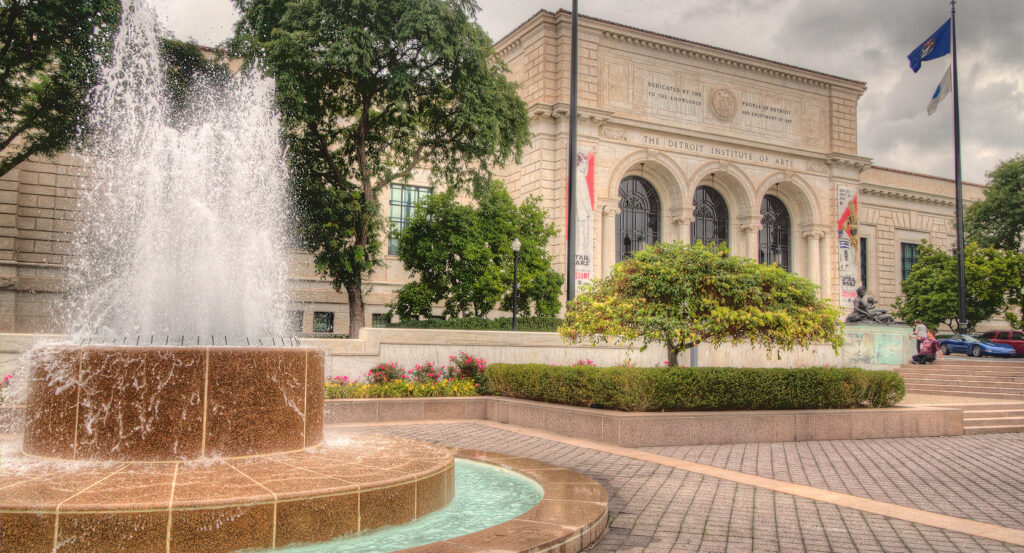
Tucked into the heart of Midtown Detroit, a stone's throw from cultural anchors like the Detroit Institute of Arts, the Museum of Contemporary Art Detroit (MOCAD), Wayne State University, and the architecturally significant streets of Brush Park, The Inn at 97 Winder sits within one of the city's most layered residential corridors, a block where history, design, and urban reinvention overlap. Arrival here feels uncontrived: you step off the street into a space that feels purposeful and composed. The exterior speaks its own language, historic scale, proportions that feel human rather than monumental, and a presence that signals context over display. Inside, the spatial logic is clear, calm, and intentionally crafted. Interiors favor material warmth and layered light rather than trend cycles or visual noise. Seating areas invite conversation and pause; circulation flows intuitively rather than forcing you through transitional corridors; natural materials anchor the environment in tactile reality rather than symbolic aesthetic. There's a measured quietness to the design, not sterile or minimal, but calm and composed, giving you mental space. Guest rooms capture that character and extend it into a private realm with comfort that feels thoughtful, coherent, and immediately inhabitable. Layouts are generous without being cavernous, allowing space to rest, reflect, work, or decompress with equal ease. Beds are deeply comfortable, engineered for truly restorative sleep after long days spent wandering museums, strolling cultural districts, or discovering Detroit's culinary scene. Lighting is layered and adaptive, supporting productivity in the afternoon and deep calm in the evening. Windows frame Detroit's texture, rooftops, street patterns, glimpses of historic façades, anchoring your experience in place. Bathrooms are modern, purposeful, and elegantly refined: intuitive layouts, strong water pressure, thoughtful storage, and finishes that feel tactile. Sound management is effective, allowing interior calm even as the city continues its urban rhythm just beyond your window. Service at The Inn at 97 Winder is attentive, grounded, and genuinely personal. Staff interactions feel warm and informed, offering recommendations that reflect neighborhood nuance rather than tourist listicles: where to find the best late-morning espresso, which galleries reward slow wandering, which streets feel most quiet at dusk. Assistance feels like guidance from someone who knows the city, not a script delivered on cue. Staying here feels like choosing depth over distraction, neighborhood presence over generic placement, and a hotel that supports how you live within a city rather than how you merely pass through it, making The Inn at 97 Winder an ideal base for travelers seeking authenticity, reflective immersion, and resonant resonance.
What you should know about The Inn at 97 Winder.
The Inn at 97 Winder is best known for a philosophy of quiet resonance and architectural continuity, where design ambition is measured not by flash but by how well a space feels lived in, understood, and contextually rooted.
Rather than importing aesthetic style from distant trends, the hotel's interiors draw from Detroit's material legacy, a mix of industrial grit, residential craft, and urban evolution. Materials feel intentional: woods that age gracefully under touch, lighting that complements rhythm rather than demands attention, and surfaces that balance tactility with refined restraint. Public areas are scaled for human movement. Seating is arranged to support conversation, solitude, or planning. Sightlines are clear; circulation is direct yet calm. There is a coherence here that often reveals itself only over time: the longer you move through the space, the more its logic reveals itself as supportive. Guest rooms follow this lineage but adapt it to intimate living. Instead of spaces that feel zoned for Instagram moments, these rooms feel zoned for life. The division between sleeping, working, resting, and thinking areas isn't forced; it's natural, as if the architecture itself anticipated your pace. Beds, lighting, storage, and surfaces all feel calibrated for repeat use. Bathrooms feel spacious and functional, with finishes that feel chosen for durability and presence. This operational logic means that comfort isn't a one-time impression but a lasting condition, the kind of ease that compounds rather than evaporates after the novelty wears off. The hotel's location in Midtown amplifies this identity. You are not placed outside Detroit's energy; you are placed within a living, breathing layer of the city where cultural institutions, academic life, streetscapes, and everyday movement coexist. This neighborhood, unlike sanitized tourist zones, feels real. Its rhythms are not manufactured for visitors; they are lived by residents, students, artists, and makers whose presence gives the area texture. The staff at The Inn at 97 Winder mirror this grounded context. Service feels situationally aware, not scripted or performative. Recommendations are specific: which gallery exhibits reward slow contemplation, which local markets feel most authentic on Saturday mornings, which streets feel quietest after sunset. Conversations feel like guidance. In a hospitality environment dominated by performance or themed design, The Inn at 97 Winder stands apart by committing to everyday ease as its core luxury, proving that comfort anchored in place, history, and thoughtful design feels richer, deeper, and far more memorable than superficial flash.
How to fold The Inn at 97 Winder into your trip.
The Inn at 97 Winder works as a cultural and resonant anchor, a place that allows Detroit to unfold at human pace rather than as an itinerary of hits and highlights, especially for travelers who want the city to feel comprehensible, layered, and deeply felt.
Mornings here begin. Step outside and you are immediately inside a neighborhood where movement feels natural and pedestrian to the core. A short stroll leads you to the Detroit Institute of Arts, where classic and modern works coexist; to Museum of Contemporary Art Detroit, where new voices provoke reflection; or to cafés where locals read newspapers and students sip coffee mid-conversation. This proximity allows exploration without transit dependency, turning movement into discovery rather than chore. Midday returns to the inn are genuinely restorative. The calm interiors provide a place to pause, reflect, and recalibrate before heading back out. This pause becomes part of your rhythm, not merely a break between activities. It's here, in the quiet of the inn, that Detroit shifts from being a list of destinations to a field of experience. Afternoons can stretch into deeper engagement: architecture tours through Brush Park, casual lunches at neighborhood favorites, pop-up exhibitions, or long walks through historic streets where every façade tells a story of industrial ambition, decline, reinvention, and artful resurgence. Because the hotel sits within a connective district, movement feels additive rather than disjointed, each path becomes a continuing story rather than a segment of itinerary. Evenings at The Inn at 97 Winder resolve into moments of presence. Dinner at nearby restaurants, spots that reward conversation rather than crowding, feels like part of your daily arc. Afterward, a reflective walk back along tree-lined streets feels like closure. Over multiple nights, familiarity becomes an asset. You begin to notice cues: which sidewalks feel calmest at dusk, where the light catches historic brick in late afternoon, which cafés offer serenity on Sunday mornings. Extended stays reveal the hotel's deepest contribution: resonant continuity. Detroit stops feeling like a sequence of attractions and becomes an environment with cadence, texture, and personal resonance.
Where your story begins.
Foresyte Travel reveals places that feel extraordinary long before you arrive.
Experience premium editorial crafted for luxury travelers.