Why The Westin Kierland Resort & Spa matters.
The Westin Kierland Resort & Spa is a defining desert resort where Scottsdale's golf and leisure culture meets Sonoran ecology, Arizona's modern architecture and the upscale commercial landscape of the Valley of the Sun.
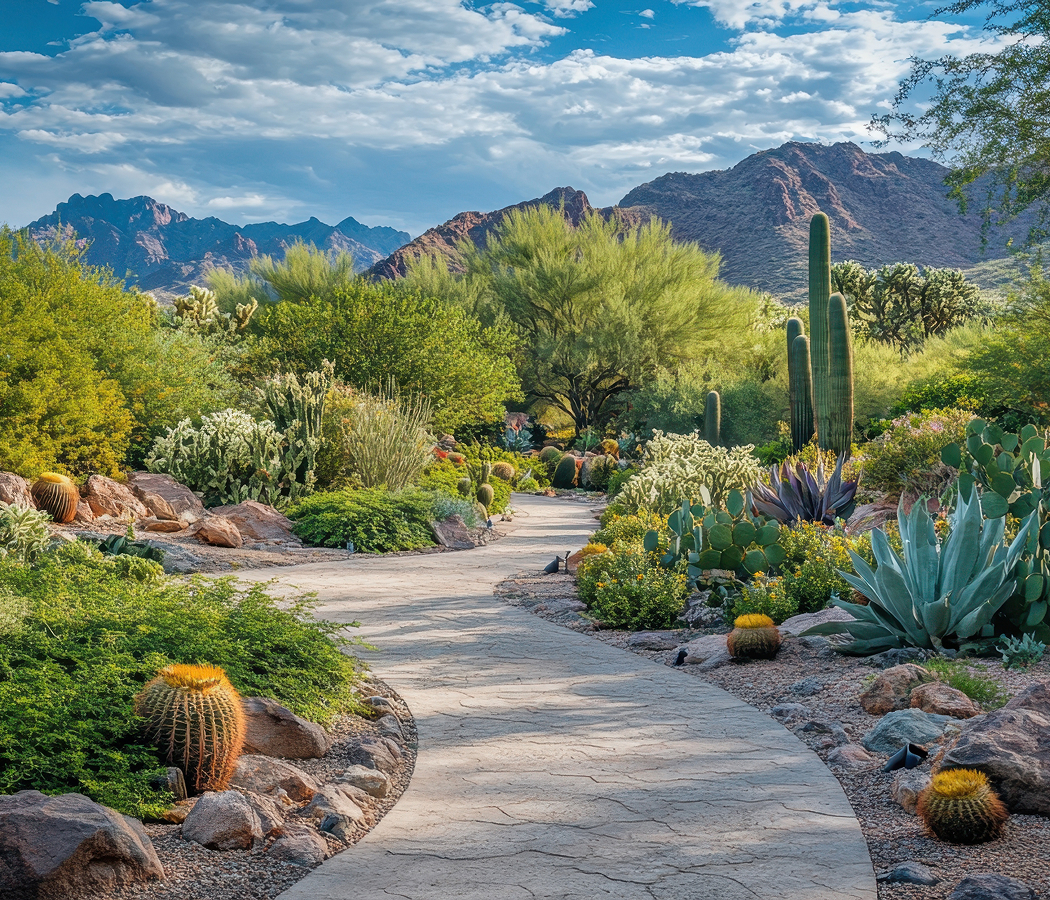
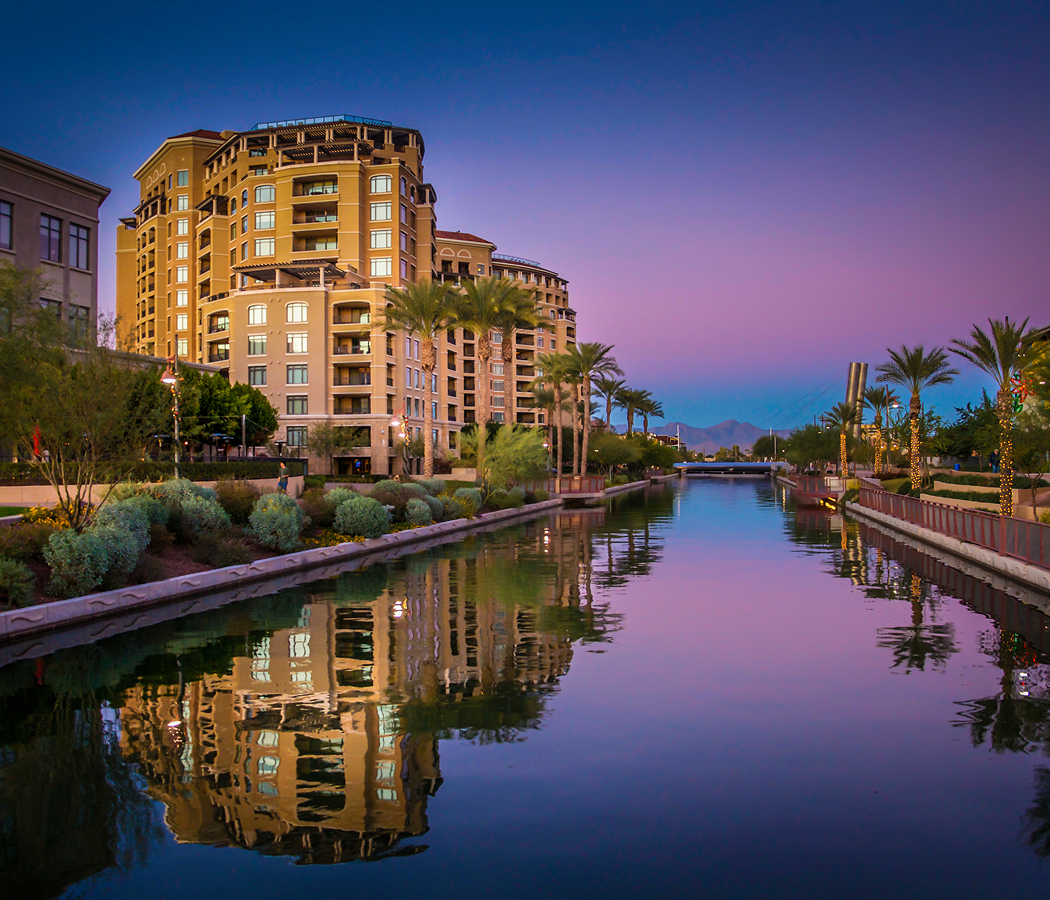
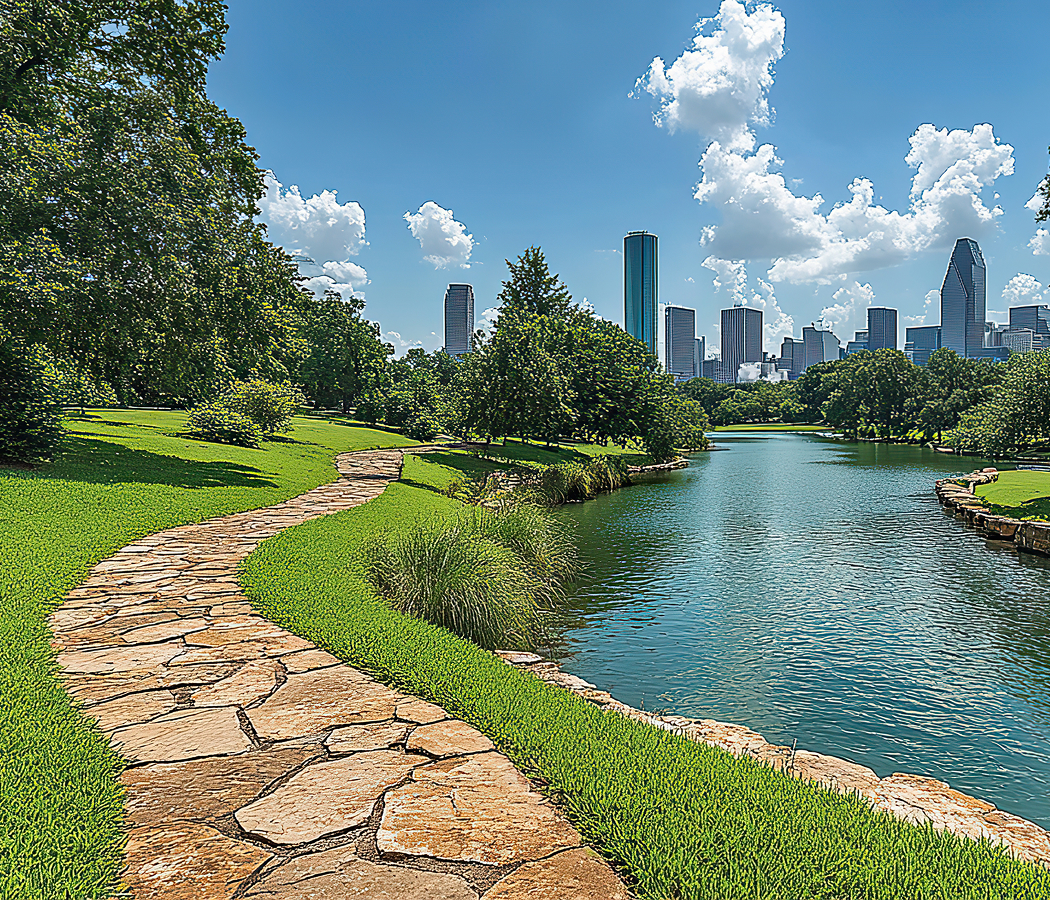
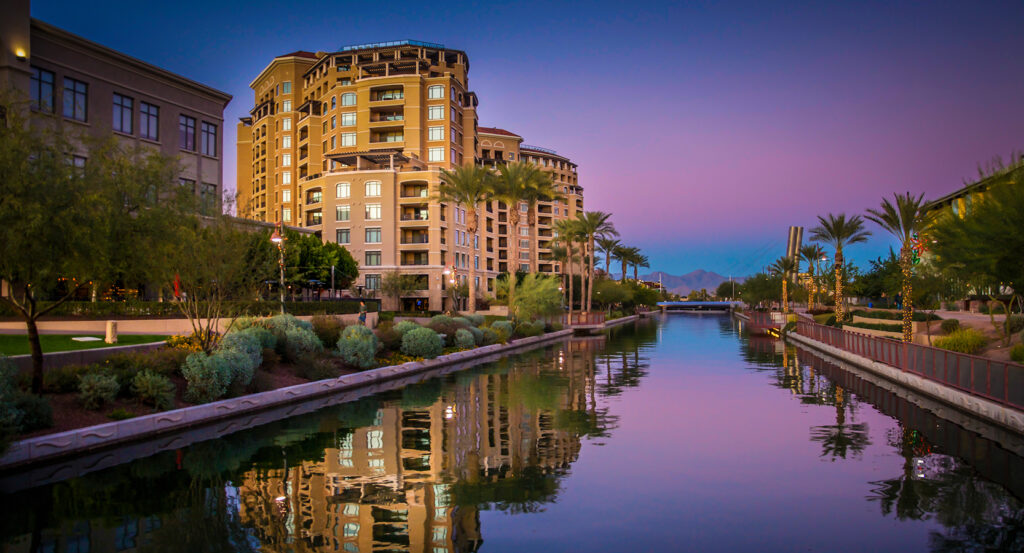
Set along East Greenway Parkway in northern Scottsdale, The Westin Kierland Resort & Spa occupies a broad position between the Scottsdale Airpark, Kierland Commons and the open desert landscape surrounding the McDowell Mountains, with Phoenix extending west across the valley and the distant Superstition Mountains visible to the east. Its low-rise buildings spread through landscaped grounds, fairways, pools and courtyards. Stucco walls, timber details, tiled roofs and shaded arcades create an architectural language suited to intense sunlight, dry air and wide mountain views. Guest rooms and suites face gardens, golf courses, pools or the desert horizon, with balconies and terraces extending the living spaces into the warm climate. The resort's fairways create long open corridors through palms, lakes and native vegetation, while the surrounding Sonoran terrain remains visible beyond the manicured grounds. A network of walking paths links the accommodations with restaurants, pools, spa facilities and outdoor gathering spaces. Greenway Parkway connects the resort with shopping, offices, golf courses and the larger network of Scottsdale and Phoenix. The surrounding valley is best known for mountains, irrigation, desert washes and broad arterial roads, revealing the geography that supports the region's resort economy. The result is a substantial Arizona resort whose architecture, golf landscape and mountain setting connect contemporary hospitality with the ecology and leisure traditions of the Sonoran Desert.
What defines The Westin Kierland Resort & Spa.
The Westin Kierland Resort & Spa is best known for anchoring the transformation of Northeast Phoenix into the Kierland master-planned community, establishing a landmark desert resort whose architectural character celebrates Arizona's history, landscape, and cultural heritage. Dallas-based Woodbine Development Corporation conceived the project through a partnership with the Herberger family, whose substantial landholdings had occupied the area since the 1950s. The developers initiated plans for the 730-acre Kierland community in 1989, pursuing an ambitious combination of residential neighborhoods, commercial development, championship golf, and international hospitality. Phoenix unanimously approved the master plan in 1991 through the largest rezoning case in the city's history, establishing the regulatory foundation for one of the region's most consequential mixed-use developments. Following the initial residential land sale in 1993, Woodbine introduced Kierland Golf Club in 1996, creating the recreational centerpiece around which the subsequent resort would develop. The adjoining Kierland Commons commercial district introduced an influential open-air retail concept, integrating shopping, restaurants, offices, and residential spaces into a pedestrian-oriented environment. Woodbine subsequently partnered with Starwood Hotels & Resorts Worldwide, the Herberger Interests, and Alaska-based Cook Inlet Region Inc. to develop an international resort within the emerging community. Palo Alto architectural firm Hill Glazier Architects received the commission, with Los Angeles-based Barry Design Associates responsible for the interior conception and Phoenix-based Sundt Construction overseeing construction. The development represented an investment of $180 million, establishing a substantial hospitality project within the expanding Phoenix-Scottsdale resort corridor. The Westin Kierland Resort & Spa opened on November 3, 2002, more than five months ahead of its original schedule and becoming Westin's first full-scale destination resort in the Phoenix metropolitan area. Its eleven-story central structure introduced an unusually prominent architectural landmark to a regional resort landscape historically characterized by low-rise developments. The project established an enduring relationship between international hospitality and the commercial development of Kierland, supporting the district's evolution into a major destination for visitors, residents, and corporate gatherings. Host Hotels & Resorts subsequently announced its acquisition of the property for $393 million in May 2006, reflecting the substantial investment value generated by the resort's position within the growing metropolitan market. In April 2026, the property announced a major multiphase renovation encompassing its principal social spaces, recreational environments, and meeting facilities, introducing another significant chapter in its architectural and commercial development. The Westin Kierland Resort & Spa represents a defining achievement in Woodbine's master-planning strategy, connecting the economic expansion of Northeast Phoenix with the development of one of Arizona's most distinctive hospitality destinations.
Barry Design Associates' original interior conception established the resort's distinctive cultural character through a comprehensive interpretation of Arizona's historical inheritance, bringing the state's Indigenous cultures, pioneering history, artistic traditions, and natural geography into a unified architectural environment. The design program, developed around the theme The Essence of Arizona, incorporated original artworks, historical photographs, and decorative references to the individuals and events that shaped the region's development. Regional artists contributed commissioned works, extending the historical narrative into a substantial collection that connects the resort's public interiors with Arizona's visual culture. The architecture reinforces this conception through a stepped silhouette crowned by twin bell towers, creating a distinctive relationship between the central structure and the expansive Sonoran Desert landscape. Interior finishes draw upon the colors and textures of the Southwest, establishing a complementary relationship between the constructed environment and the surrounding desert mountains. The resort's cultural program develops another important historical connection through its celebration of Scottish heritage, acknowledging the influence of Scottish immigrants and traditions on Arizona's early development. The evening bagpiper performance brings this inheritance into the property's outdoor gathering spaces, connecting a centuries-old musical tradition with the dramatic atmosphere of the desert at sunset. The Scotch Library extends the Scottish theme through a specialized collection of whiskies, introducing the regional distinctions, production methods, and maturation traditions that shape Scotland's internationally influential distilling culture. The resort's golf character follows a complementary historical direction through Scott Miller's twenty-seven-hole championship course, organized into the Acacia, Ironwood, and Mesquite nines. Miller, a former senior designer for Jack Nicklaus, developed a playable desert layout incorporating generous fairways, multiple tee positions, and native vegetation, creating a strategic relationship between golf architecture and the natural characteristics of the Sonoran Desert. The course's three interconnected nines introduce substantial variety through changing terrain, water features, and views toward the McDowell Mountains. Its recreational culture incorporates unconventional approaches to transportation and instruction, including specialized golf bicycles and equipment-fitting programs that extend the property's reputation for innovation. The resort's Adventure Water Park establishes another relationship with Arizona's outdoor leisure traditions through a substantial aquatic environment centered on a 900-foot lazy river and the Kierland FlowRider surfing simulator. The Agave Spa develops the regional cultural conception through wellness treatments influenced by Arizona's diverse healing traditions, integrating botanical ingredients and therapeutic practices into the resort's interpretation of Southwestern heritage. Together, the historical art collection, Scottish cultural programming, distinctive golf architecture, and desert-inspired wellness traditions establish a cohesive expression of Arizona's regional character within the hospitality landscape of the Phoenix metropolitan area.
How The Westin Kierland Resort & Spa fits.
The Westin Kierland Resort & Spa works as the starting point for an exploration connecting Arizona's musical heritage, its desert modernist architecture and the contemporary art culture that shaped Scottsdale's international identity.
Begin at Musical Instrument Museum, the expansive institution in Phoenix where instruments, performances and recordings from cultures around the world occupy galleries designed around sound, craft and social history. Its collections connect music to migration, ceremony, work and daily life, presenting the world through the instruments communities created and played. The museum's modern building and immersive exhibits create a cultural environment distinct from the resort landscape while maintaining a strong relationship with the region's international population. Its galleries demonstrate how a desert metropolis can become a major center for global cultural exchange. Continue to Taliesin West, the desert campus created by Frank Lloyd Wright in the foothills of the McDowell Mountains where buildings, courtyards, stone walls and gardens express a direct relationship with the Sonoran landscape. Wright developed the complex as a winter home, studio and architectural laboratory, using local rock, desert light and open-air spaces to shape its design. The site connects modern architecture with the ecology, geology and visual intensity of the Arizona desert. Its buildings demonstrate how architecture can grow from regional materials and climate. Conclude at Scottsdale Museum of Contemporary Art, the downtown institution where modern and contemporary art, architecture and design occupy galleries within a compact urban setting. Its exhibitions examine new materials, technology, spatial experience and artistic practice, connecting Scottsdale to international cultural conversations. The museum's position within the city places contemporary art beside restaurants, public spaces and the commercial district, revealing the cultural depth beneath the resort economy. Its program demonstrates how Scottsdale developed from a desert leisure destination into a city with a major public arts identity. The progression moves from Musical Instrument Museum's global sound collections through Taliesin West's desert modernism and concludes at Scottsdale Museum of Contemporary Art, where the visual culture of the contemporary Southwest meets international artistic practice.
Where your story begins.
Foresyte Travel reveals places that feel extraordinary long before you arrive.
Enjoy editorial crafted for luxury travelers.
Foresyte may earn a commission when you book.