Why Walnut Creek matters.
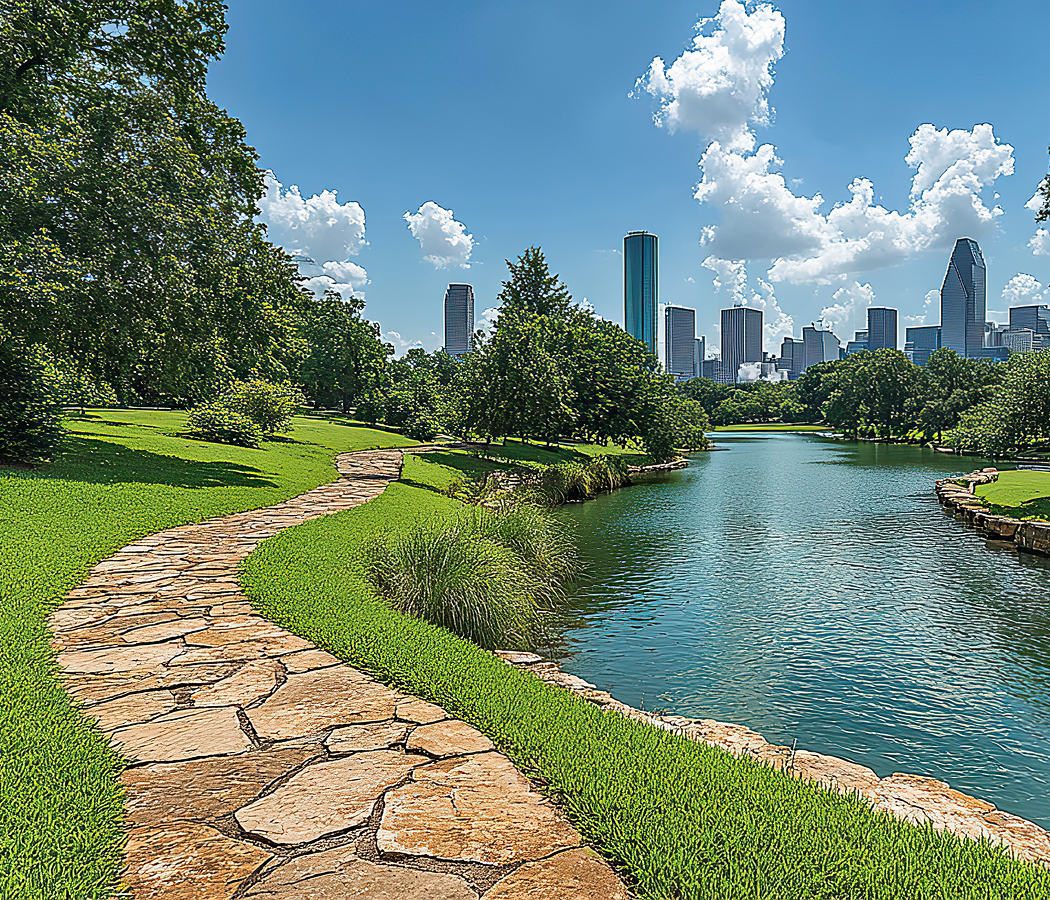
Walnut Creek is a scenic natural corridor where ecological diversity, outdoor recreation, and environmental conservation converge along one of Central Texas's most important waterways.
Running through North Austin between North Lamar, Georgian Acres, Windsor Hills, and Walnut Creek Metropolitan Park, this winding natural corridor connects protected greenbelts, architecturally significant park facilities, celebrated hiking and cycling trails, thriving wildlife habitats, welcoming recreational spaces, and enduring riparian landscapes that collectively showcase Austin's remarkable commitment to preserving urban nature. Limestone creek beds, towering pecan and oak groves, thoughtfully protected floodplains, energetic native ecosystems, celebrated outdoor destinations, and enduring conservation initiatives create a landscape where generations of hikers, cyclists, birdwatchers, families, researchers, residents, and visitors have experienced one of Central Texas's defining natural resources. Walnut Creek continues to shape North Austin's environmental character while preserving one of the city's richest urban ecosystems. The result is a corridor defined by ecological significance, recreational excellence, and lasting environmental importance.
What defines Walnut Creek.
Walnut Creek is best known for flowing through Walnut Creek Metropolitan Park, where more than 15 miles of purpose-built mountain biking trails established one of the earliest and most influential off-road cycling destinations in Texas, helping shape Austin's national reputation as a premier mountain biking city.
Developed through decades of collaboration between the City of Austin and local trail advocates, the park's interconnected trail network became a model for sustainable urban trail design while offering riders terrain ranging from beginner-friendly loops to highly technical limestone descents. Its success inspired additional trail development throughout the region and strengthened Austin's character as one of America's leading outdoor recreation cities. Today, Walnut Creek Metropolitan Park continues to attract cyclists, trail runners, hikers, and nature enthusiasts from across Texas while preserving an exceptional balance between recreation and environmental stewardship. That extraordinary trail legacy has established Walnut Creek as one of Texas's most historically significant urban recreation corridors.
How Walnut Creek fits.
Walnut Creek works as an exploration of Austin's natural landscapes, outdoor recreation, and environmental stewardship.
Begin along Walnut Creek, where the wooded riparian landscape immediately establishes the corridor's defining identity. Continue toward Walnut Creek Metropolitan Park, where one of Austin's premier outdoor recreation destinations provides broader perspective on the creek's extraordinary environmental legacy. From there, make your way to the Northern Walnut Creek Trail, where miles of scenic shared-use pathways provide a memorable conclusion while celebrating North Austin's enduring blend of conservation, recreation, and community life. Along the way, you'll encounter beautifully preserved creek corridors, welcoming trailheads, thriving native wildlife habitats, architecturally significant park facilities, celebrated cycling routes, and energetic outdoor gathering spaces that reveal North Austin's exceptional natural character. The progression moves naturally from a protected urban waterway to a nationally respected mountain biking destination to one of Austin's signature greenway trails, demonstrating how Walnut Creek connects environmental preservation, community life, and outdoor discovery.
Where your story begins.
Foresyte Travel reveals places that feel extraordinary long before you arrive.
Enjoy editorial crafted for luxury travelers.
Foresyte may earn a commission when you book.