Why you should experience Walton Street in Dallas, Texas.
Walton Street is a storied corridor where Deep Ellum's industrial heritage, creative culture, architectural reinvention, and entrepreneurial spirit create one of Dallas' most distinctive urban streets.
Running through Deep Ellum between Downtown and Exposition Park, the corridor connects historic warehouse buildings, music venues, artist studios, and independent businesses that reflect more than a century of neighborhood evolution. Each successive block reveals restored brick façades, painted murals, steel-framed storefronts, converted industrial buildings, and animated pedestrian spaces that reinforce the street's unmistakable identity. The defining moment arrives as Walton Street demonstrates how preservation and artistic expression continue shaping one of Dallas' most influential creative districts. The result is an experience defined by industrial character, cultural vitality, and one of Deep Ellum's most engaging corridors.
What you should know about Walton Street.
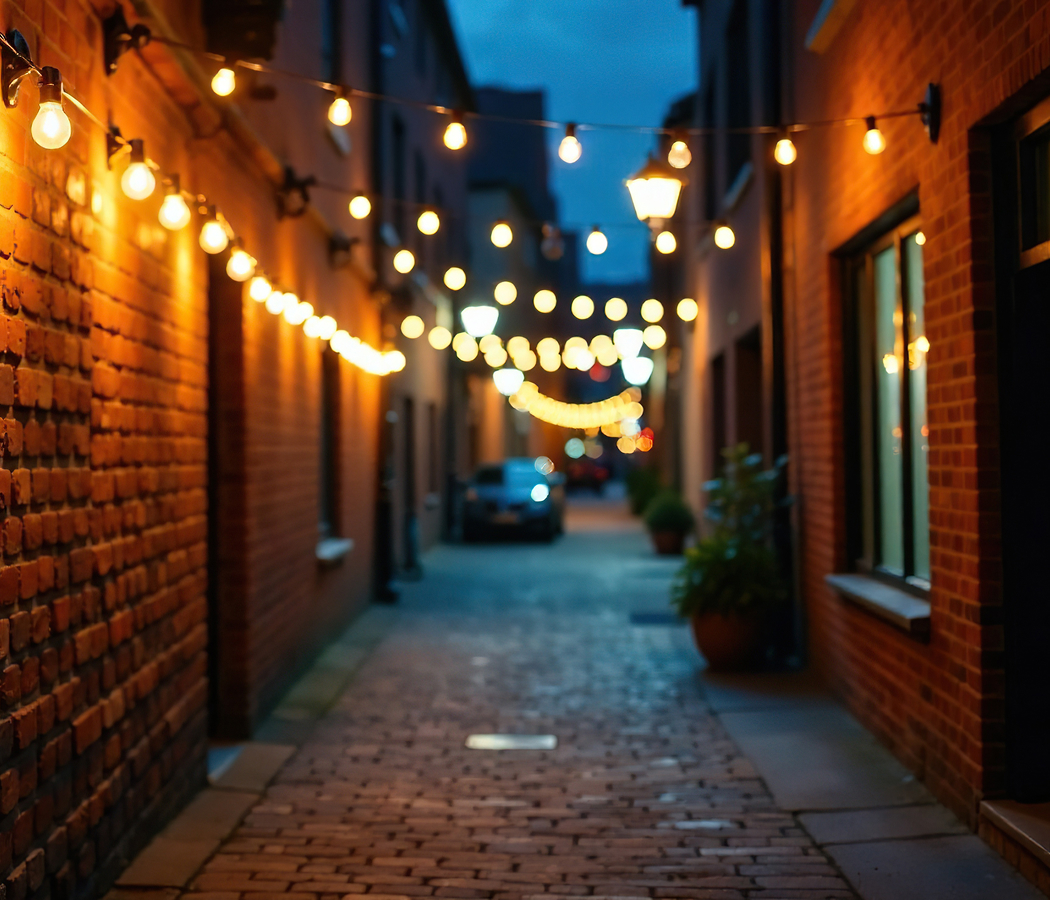
Walton Street is best known for developing alongside Deep Ellum's emergence as an industrial and commercial district during the 1880s after the arrival of multiple railroad corridors east of Downtown, establishing the neighborhood as an important center for manufacturing, warehousing, wholesale commerce, and entertainment. Construction accelerated between the 1890s and 1930s, producing substantial collections of Commercial Style, Chicago School, and early twentieth-century brick industrial buildings distinguished by load-bearing masonry, heavy timber framing, steel lintels, segmental-arched windows, decorative corbelled brickwork, and cast-stone detailing that continue defining the corridor's architectural identity. During the early twentieth century, Deep Ellum became nationally recognized for its thriving African American business community and influential blues and jazz scene, welcoming performers including Blind Lemon Jefferson, whose career became closely associated with the neighborhood's musical legacy. The Deep Ellum Historic District received listing on the National Register of Historic Places in 2009, recognizing the area's exceptional architectural and cultural significance while reinforcing long-term preservation efforts. Original brick paving remnants, restored warehouse façades, painted masonry walls, and historically scaled commercial frontages continue expressing the district's industrial origins. Collectively, the corridor's railroad history, commercial architecture, musical heritage, and preservation initiatives established Walton Street as one of Deep Ellum's defining historic corridors.
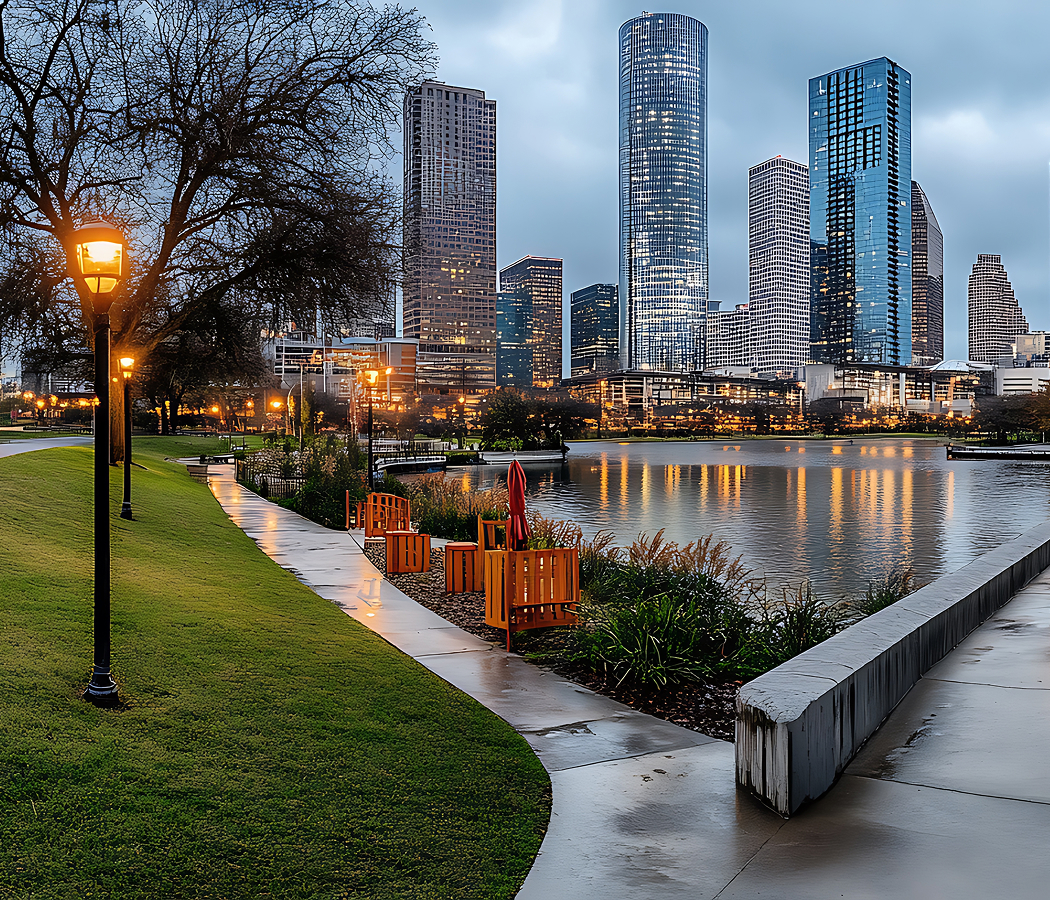
Deep Ellum Foundation continues supporting streetscape improvements, public art initiatives, neighborhood programming, and business advocacy that reinforce Walton Street's role within the district's creative economy. The Traveling Man sculptures by Brad Oldham and Brandon Oldenburg have become contemporary symbols of the neighborhood, extending Deep Ellum's tradition of large-scale public art while strengthening the district's visual character near the corridor. Native cedar elms, ornamental grasses, bioswales, decorative lighting, and expanded pedestrian spaces complement restored industrial buildings while improving the comfort and continuity of the streetscape. Together, these cultural organizations, public art investments, and carefully integrated landscape features demonstrate how Walton Street continues evolving while respecting the industrial fabric that defines Deep Ellum.
How to fold Walton Street into your trip.
Walton Street works as a walk through Dallas' historic arts and entertainment district.
Begin at The Bomb Factory, where the restored industrial performance venue establishes Deep Ellum's longstanding relationship with live music while naturally introducing the neighborhood's warehouse architecture. Continue to Kettle Art Gallery, where exhibitions by regional artists deepen appreciation for the creative community that continues defining the district before guiding the experience toward its historical centerpiece. Conclude at John Fitzgerald Kennedy Memorial Plaza, where one of Dallas' most significant civic spaces provides the historical payoff by connecting Deep Ellum's cultural story with the broader history of the city. The progression moves naturally from industrial performance space to contemporary artistic expression before culminating in a civic landmark that broadens understanding of Dallas' historical identity.
Where your story begins.
Foresyte Travel reveals places that feel extraordinary long before you arrive.
Experience premium editorial crafted for luxury travelers.