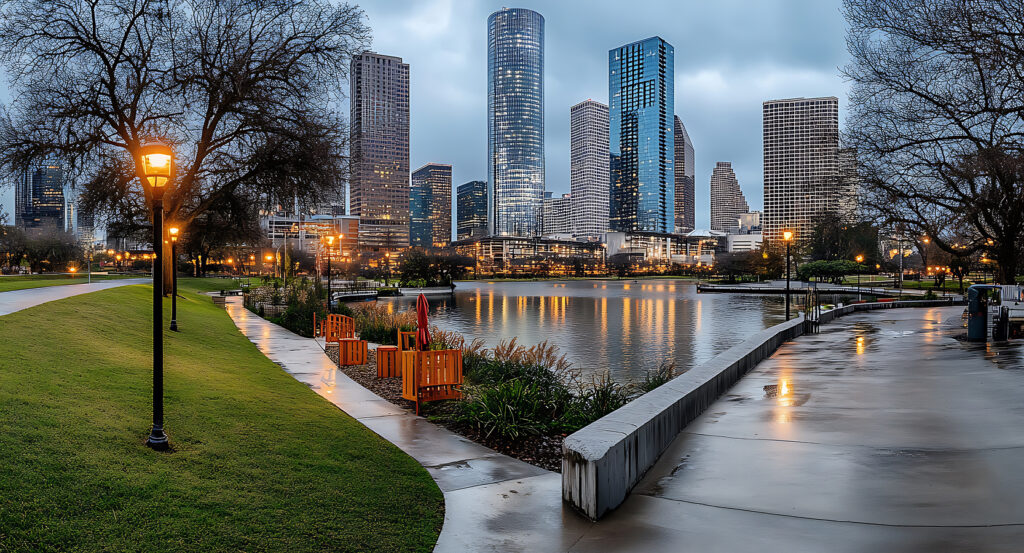
Why Weslayan Street matters.
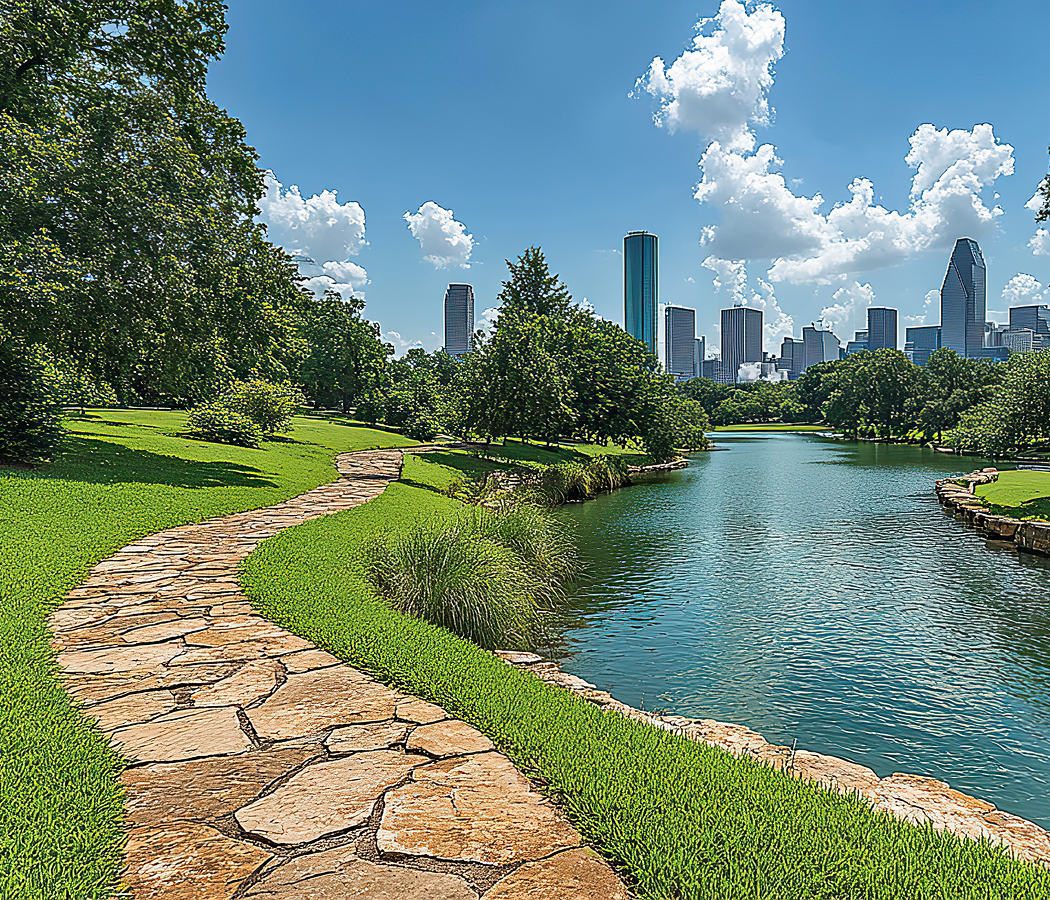
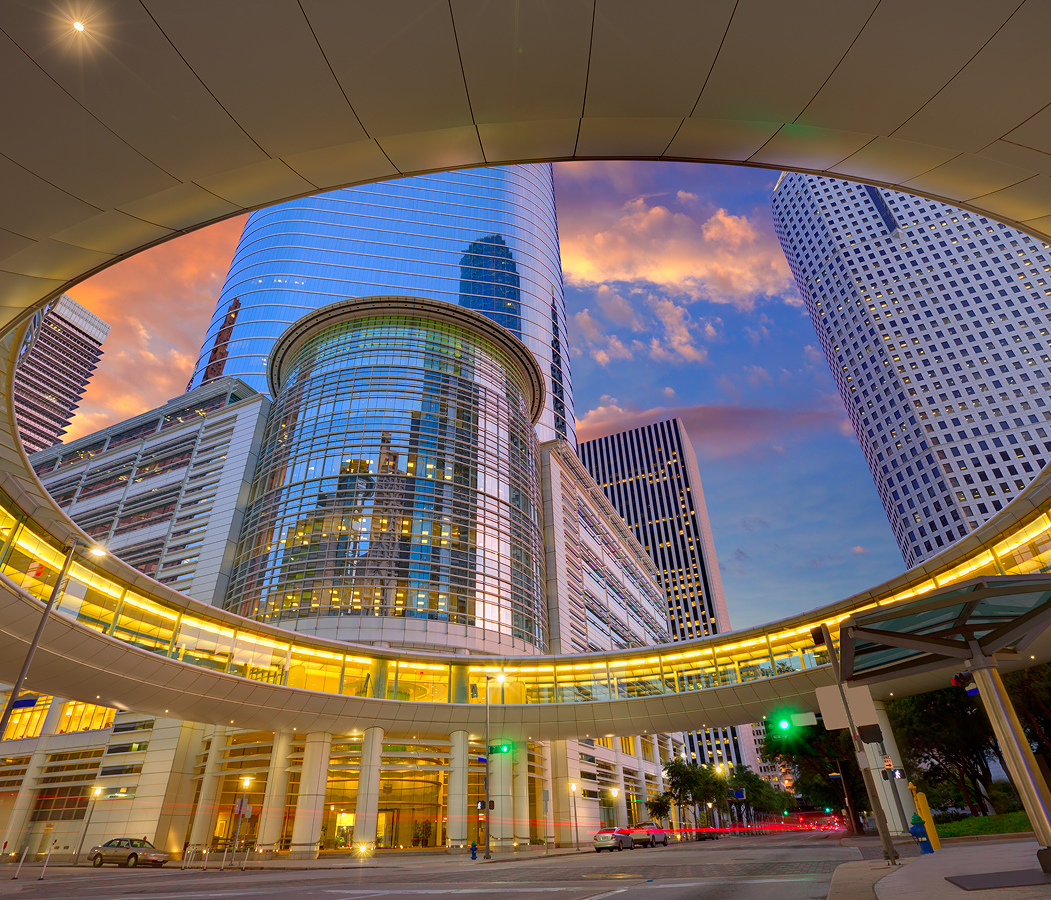
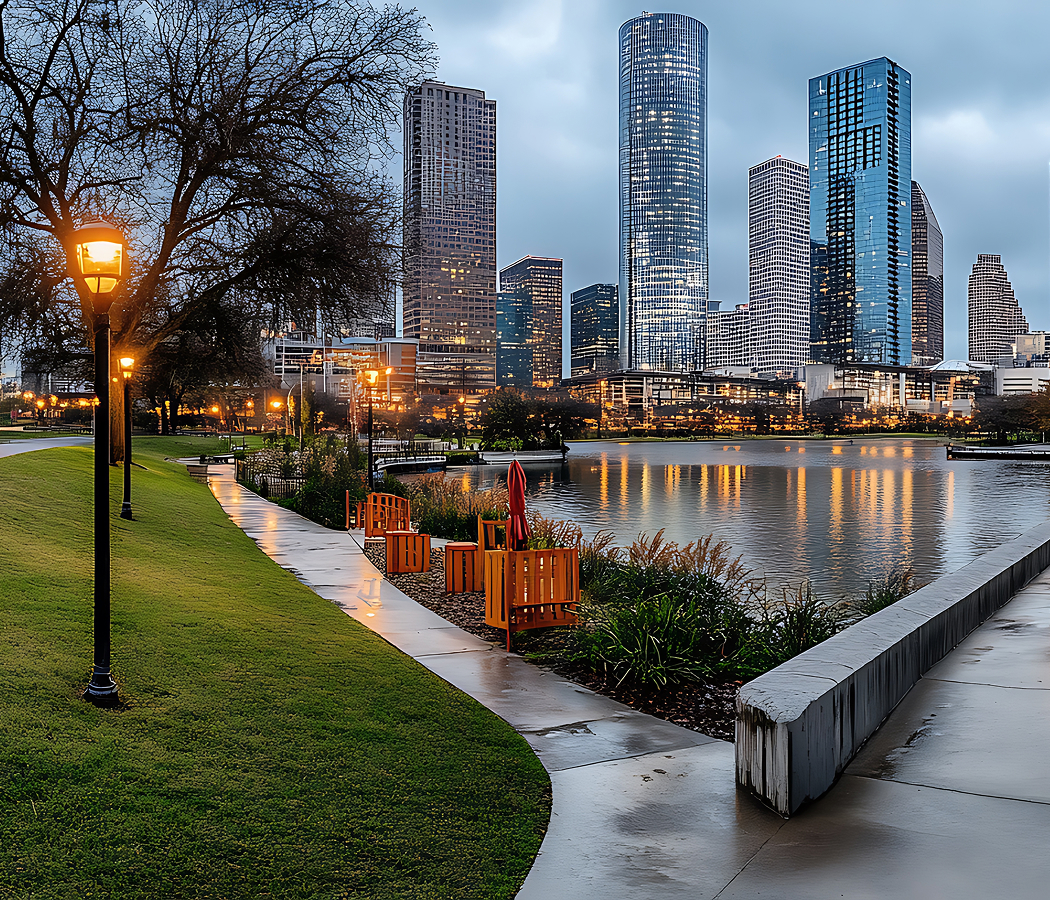
Weslayan Street is an elegant corridor where Greenway / Upper Kirby's residential sophistication, commercial vitality, architectural character, and enduring neighborhood character converge along one of Central Houston's defining north-south streets.
Running through Greenway / Upper Kirby between West University Place and Afton Oaks / River Oaks Area, the corridor connects established residential districts, neighborhood retail destinations, business centers, and civic institutions that collectively reflect Houston's twentieth-century westward expansion. Broad landscaped rights-of-way, mature live oaks, thoughtfully planned developments, and a varied architectural landscape create a streetscape where established neighborhoods and modern urban growth remain closely intertwined. Decades of careful reinvestment have strengthened the corridor while preserving the refined character that distinguishes this section of Houston. The result is an experience defined by architectural richness, neighborhood continuity, and one of Greenway / Upper Kirby's most recognizable corridors.
What defines Weslayan Street.
Weslayan Street is best known for connecting neighborhoods that emerged during Houston's early and mid-twentieth-century expansion as the Hogg Brothers, the West University Place Company, and prominent local developers transformed former prairie into carefully planned residential communities and commercial districts. The corridor matured alongside the development of West University Place, incorporated in 1924, and the later construction of the Greenway Plaza office complex beginning in 1969, developments that reshaped Houston's residential and business geography. Surrounding neighborhoods preserve distinguished examples of Colonial Revival, Tudor Revival, Ranch, Mid-Century Modern, and Contemporary architecture that document successive periods of urban growth and residential investment. The corridor also reflects Houston's longstanding relationship between higher education, professional services, neighborhood commerce, and planned suburban development through institutions, offices, and civic organizations that have served the surrounding community for generations. Collectively, the corridor's planned development, architectural diversity, commercial evolution, institutional continuity, and neighborhood significance establish Weslayan Street as one of Central Houston's defining historic corridors.
The Brays Bayou watershed influenced nearby development through Gulf Coastal Plain soils, native prairie vegetation, and natural drainage systems that guided subdivision planning across southwestern Houston during the twentieth century. The Upper Kirby Management District, established in 1999, continues supporting streetscape enhancements, public art, mobility improvements, economic development, and neighborhood beautification that reinforce the district's architectural character and commercial vitality. Archaeological investigations across Central Houston have documented Indigenous occupation together with nineteenth-century settlement evidence that continues expanding scholarly understanding of long-term human activity across the Upper Texas Gulf Coast. Together, these environmental systems, civic organizations, and archaeological discoveries demonstrate how Weslayan Street reflects a corridor where neighborhood history, environmental history, and community stewardship remain closely interconnected.
How Weslayan Street fits.
Weslayan Street works as an exploration of Houston's architectural refinement, cultural heritage, and neighborhood evolution.
Begin at The Menil Collection, where internationally significant works of art and thoughtfully designed gallery spaces introduce the cultural vision that helped define Houston's modern artistic identity. Continue to Levy Park, where award-winning landscape architecture, public programming, and restored green space deepen the experience through one of Central Houston's most successful contemporary civic parks. Conclude at Bayou Bend Collection and Gardens, where the historic estate, decorative arts collections, and formal gardens provide the historical payoff by illustrating Houston's tradition of philanthropy, architectural preservation, and cultural leadership. The progression moves naturally from world-class art to contemporary public space before culminating in one of Houston's most distinguished historic house museums.
Where your story begins.
Foresyte Travel reveals places that feel extraordinary long before you arrive.
Enjoy editorial crafted for luxury travelers.
Foresyte may earn a commission when you book.