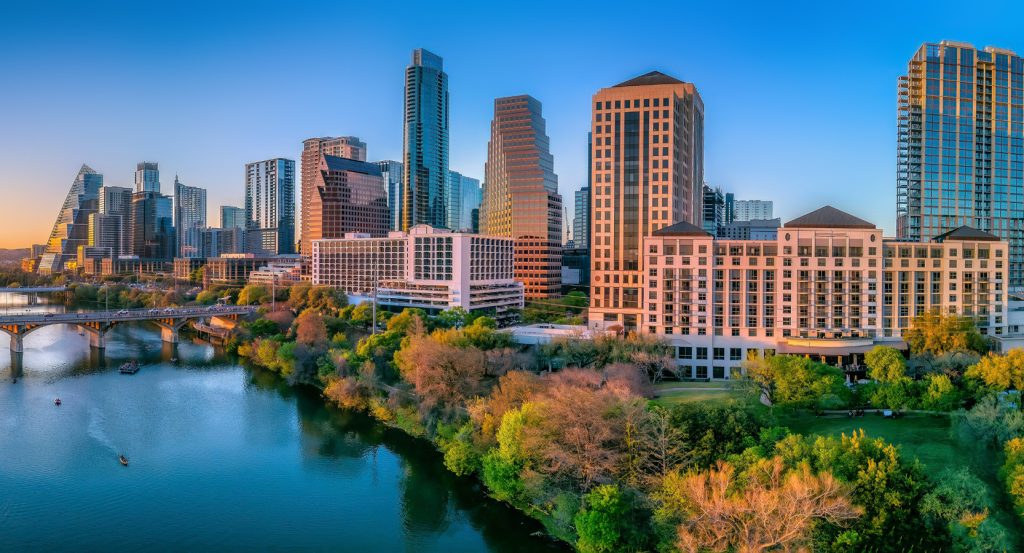
Why West Line Historic District matters.
West Line Historic District is a distinguished Central Austin historic district where architectural heritage, streetcar-era expansion, and enduring neighborhood character converge across one of the city's most intact residential landscapes.
Positioned between Clarksville, Old West Austin, and Downtown, this historic district connects tree-lined residential streets, landmark homes, neighborhood parks, historic institutions, and shaded boulevards that chronicle Austin's transformation from a frontier capital into a thriving twentieth-century city. Craftsman bungalows, Classical Revival residences, Victorian-era homes, and mature streetscapes create a remarkably cohesive environment shaped by generations of thoughtful residential development. Rolling topography, limestone retaining walls, and carefully preserved historic properties reinforce a sense of place that has remained recognizable for well over a century. The result is a neighborhood defined by architectural continuity, historical significance, and the residential legacy that continues to distinguish Central Austin.
What defines West Line Historic District.
West Line Historic District is best known for developing around the West 6th Street streetcar line, commonly known as the West Line, which sparked suburban growth west of downtown during the late nineteenth century, shaping one of Austin's earliest residential expansion corridors.
The arrival of the streetcar transformed large estate properties into interconnected residential subdivisions, encouraging the construction of hundreds of homes that reflected the architectural tastes of the late nineteenth and early twentieth centuries. Development unfolded gradually between the 1870s and the postwar years, producing an unusually diverse collection of historic residences while preserving the district's predominantly residential character. Today, the neighborhood remains one of Austin's finest examples of streetcar-era planning, illustrating how transportation infrastructure influenced the city's westward growth. Few Austin historic districts preserve such a direct connection to the transit system that guided their original development.
How West Line Historic District fits.
West Line Historic District works as a leisurely day exploring Austin's historic neighborhoods, preserved architecture, and scenic public spaces.
Begin by exploring West Austin Park, where mature trees and neighborhood green space introduce the district's residential character before wandering the surrounding streets to admire the remarkable collection of preserved historic homes. Continue to Treaty Oak, whose centuries-old live oak offers one of Austin's most enduring historical landmarks before strolling toward Neill-Cochran House Museum, where period furnishings and nineteenth-century architecture provide deeper insight into the city's early development. As the afternoon unfolds, linger beneath the shaded streets, appreciating the district's cohesive architecture and quiet atmosphere before making your way into nearby Clarksville or downtown for dinner. The journey flows naturally from neighborhood parkland to living history and architectural preservation, revealing why West Line Historic District remains one of Austin's most rewarding places to experience the city's residential heritage.
Where your story begins.
Foresyte Travel reveals places that feel extraordinary long before you arrive.
Enjoy editorial crafted for luxury travelers.
Foresyte may earn a commission when you book.