Why Wheeler Avenue matters.
Wheeler Avenue is a storied corridor where Third Ward's educational legacy, cultural leadership, neighborhood traditions, and enduring historical character converge along one of Houston's defining east-west streets.
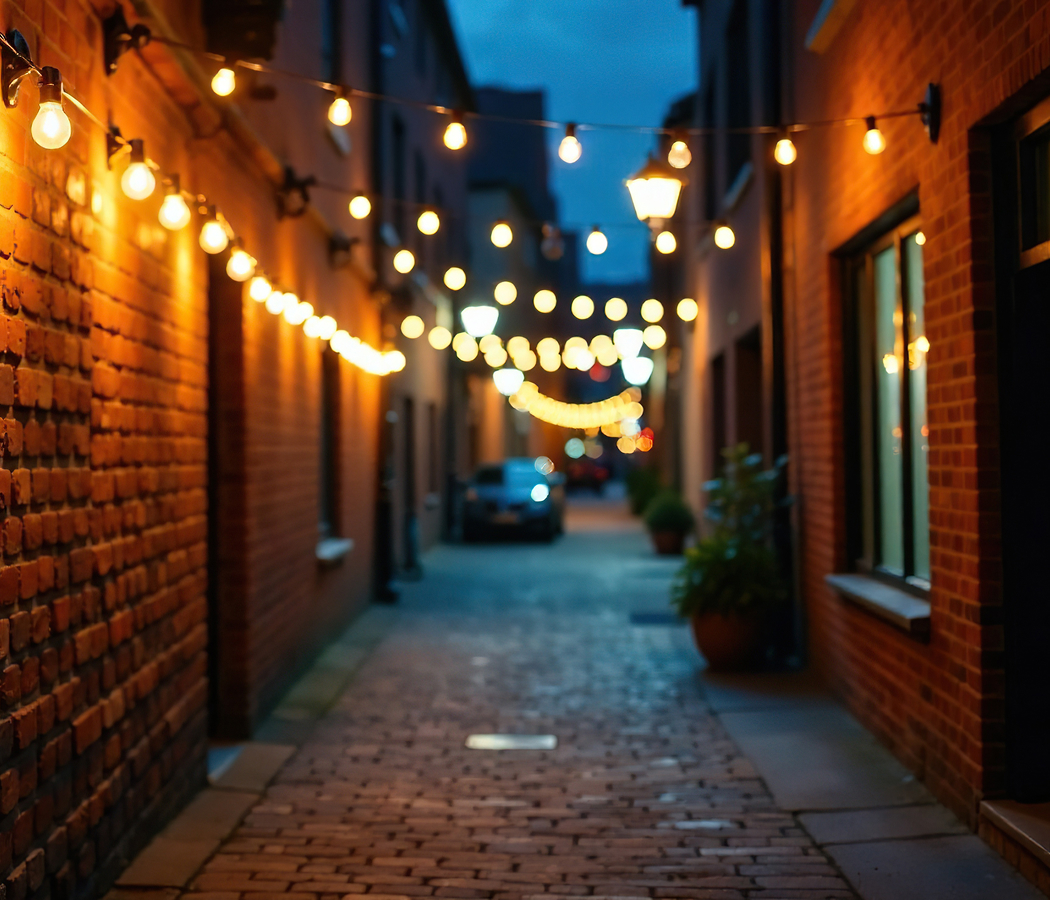
Running through Third Ward between Midtown and Riverside Terrace, the corridor connects historic institutions, longstanding churches, educational campuses, and established residential districts that collectively reflect the evolution of one of Houston's most influential African American communities. Mature oak trees, historic masonry buildings, institutional campuses, and early twentieth-century streetscapes create an environment where generations of civic leadership, scholarship, and artistic achievement remain deeply rooted. Continued preservation and neighborhood investment have strengthened the corridor while maintaining the historical character established across more than a century of community development. The result is an experience defined by cultural continuity, architectural heritage, and one of Third Ward's most meaningful corridors.
What defines Wheeler Avenue.
Wheeler Avenue is best known for traversing Third Ward, among Houston's oldest historically African American communities, whose growth accelerated after electric streetcar expansion during the late nineteenth and early twentieth centuries connected the neighborhood with Downtown. The corridor developed alongside Texas Southern University, whose origins date to 1927 as Houston Colored Junior College before becoming an independent state-supported university in 1947, reinforcing Third Ward's longstanding role in higher education and civic leadership. Surrounding blocks preserve distinguished examples of Craftsman, Colonial Revival, Minimal Traditional, and Mid-Century Modern architecture that document successive phases of neighborhood development throughout the twentieth century. The corridor also reflects Third Ward's nationally recognized contributions to civil rights, music, education, entrepreneurship, journalism, and African American cultural life through churches, civic organizations, neighborhood associations, and community institutions that have served residents for generations. Collectively, the corridor's educational legacy, architectural diversity, neighborhood continuity, cultural leadership, and institutional significance establish Wheeler Avenue as one of Houston's defining historic corridors.
The Brays Bayou watershed influenced development across southern Third Ward through Gulf Coastal Plain soils, native prairie vegetation, and natural drainage systems that shaped subdivision patterns during Houston's early expansion. The Third Ward Cultural District and the Emancipation Economic Development Council continue supporting preservation initiatives, heritage programming, neighborhood investment, and cultural stewardship that reinforce the community's historical identity. Archaeological investigations throughout Houston's inner urban core have documented Indigenous occupation together with nineteenth-century settlement evidence that continues expanding scholarly understanding of long-term human activity across the Upper Gulf Coastal Plain. Together, these environmental systems, preservation organizations, and archaeological discoveries demonstrate how Wheeler Avenue reflects a corridor where cultural heritage, environmental history, and community stewardship remain closely interconnected.
How Wheeler Avenue fits.
Wheeler Avenue works as an exploration of Third Ward's educational legacy, artistic achievement, and community history.
Begin at The University Museum at Texas Southern University, where permanent collections and rotating exhibitions introduce the artistic, historical, and cultural accomplishments associated with one of the nation's leading historically Black universities. Continue to Project Row Houses, where restored shotgun houses, artist residencies, and community programming deepen the experience through one of Houston's most influential neighborhood-based cultural initiatives. Conclude at Blaffer Art Museum, where contemporary exhibitions and decades of academic engagement provide the historical payoff by illustrating Houston's continuing investment in artistic scholarship and creative expression. The progression moves naturally from educational achievement to neighborhood creativity before culminating in one of the city's leading university art museums.
Where your story begins.
Foresyte Travel reveals places that feel extraordinary long before you arrive.
Enjoy editorial crafted for luxury travelers.
Foresyte may earn a commission when you book.