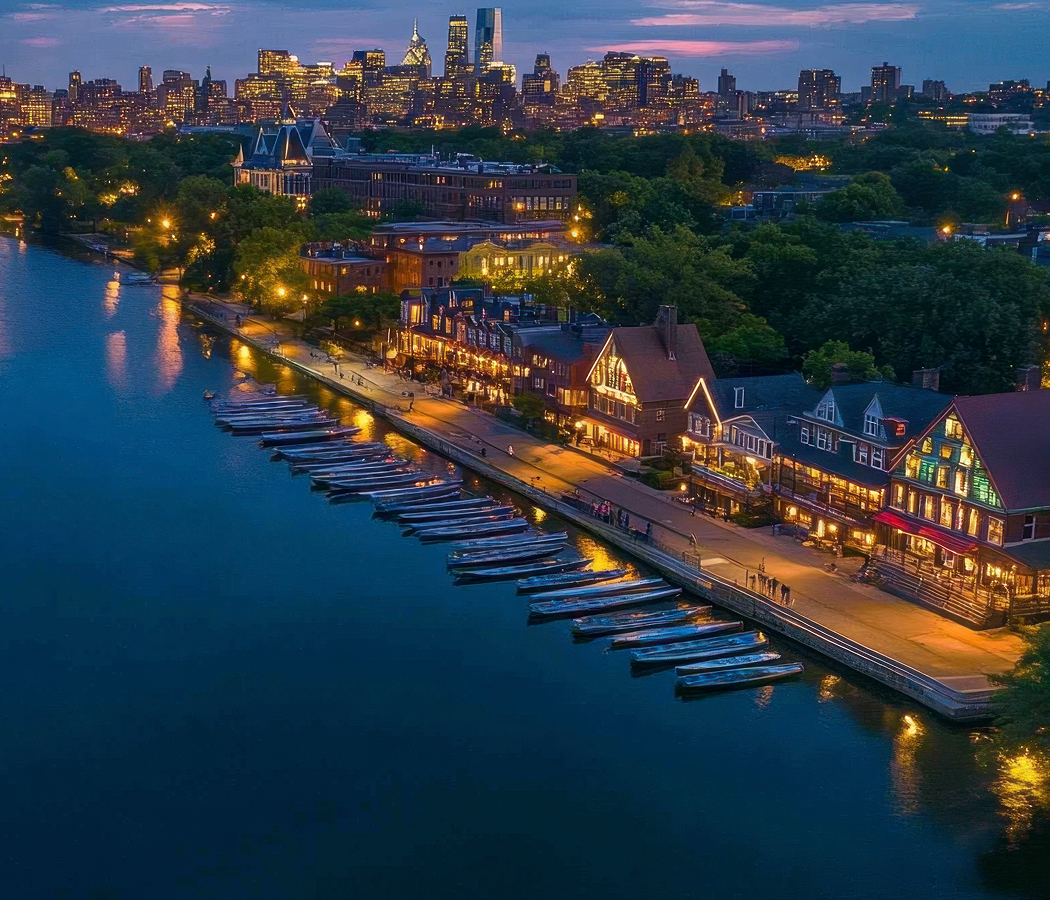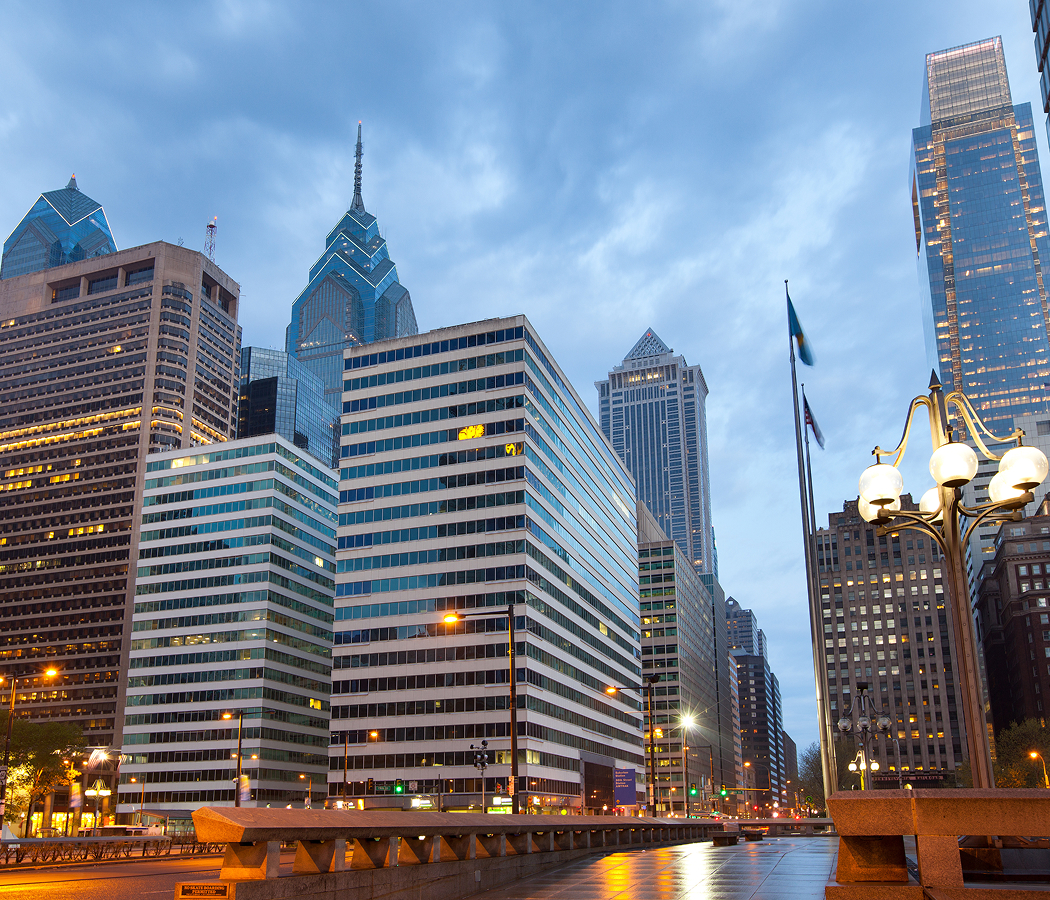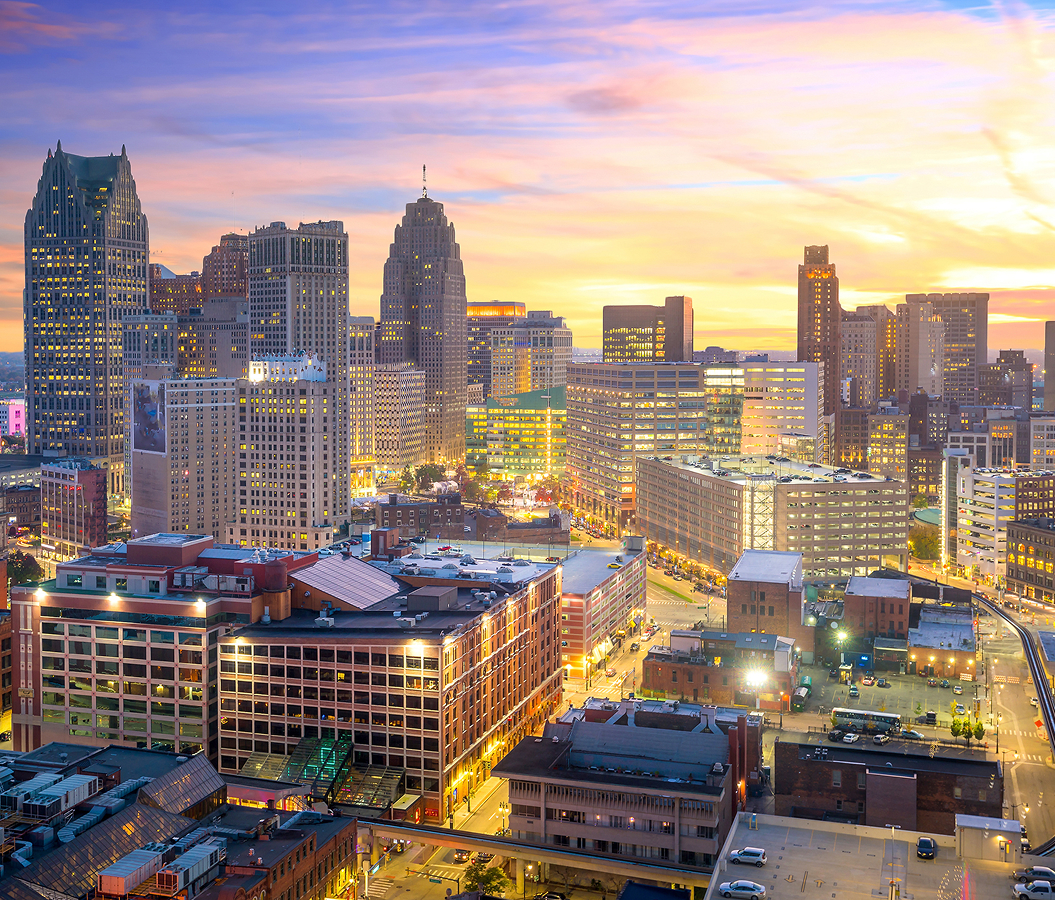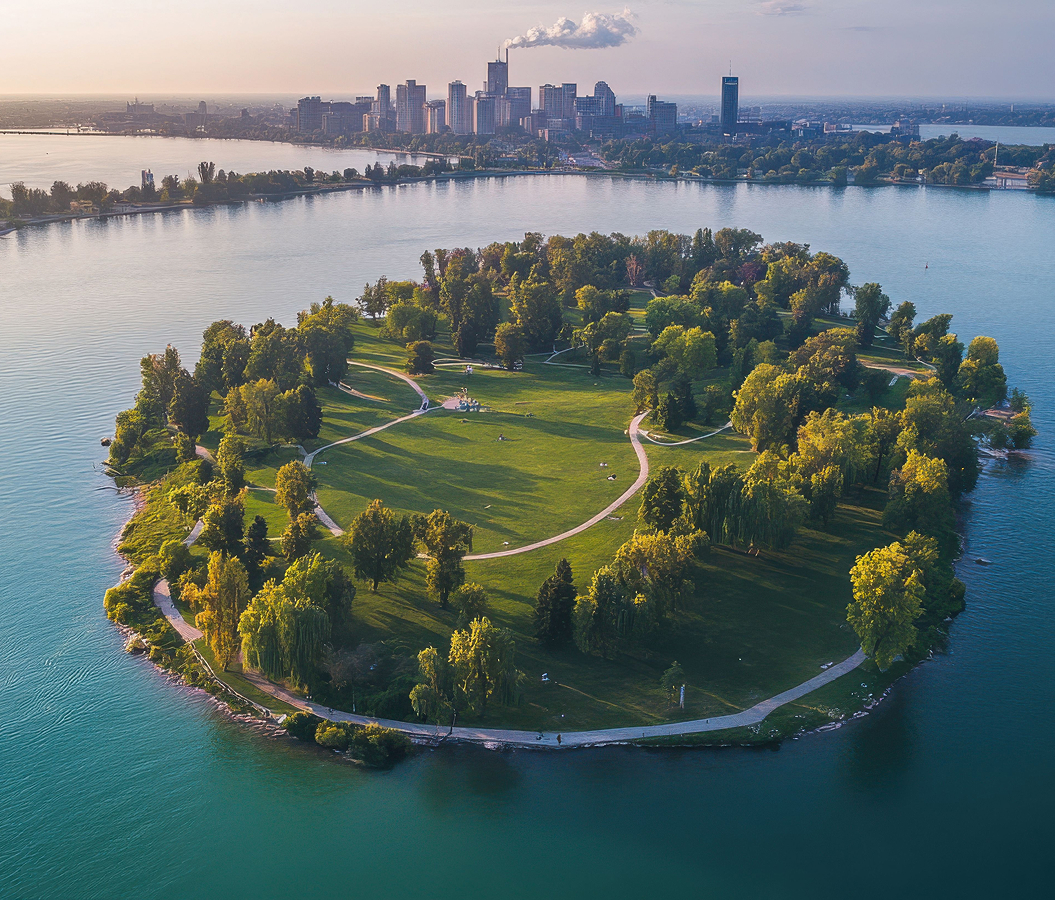
Why you should experience Wood Street in Chicago, Illinois.
Wood Street is a historic urban corridor where the Near West Side's industrial heritage, medical innovation, and neighborhood evolution converge along one of Chicago's longest north-south streets.
Running through the Near West Side between West Town and Bridgeport, this historic street connects academic campuses, medical institutions, residential neighborhoods, commercial corridors, public spaces, and cultural landmarks that have shaped city life for generations. Tree-lined blocks, historic brick buildings, institutional architecture, neighborhood businesses, residential streetscapes, and civic infrastructure create an environment defined by continuity and transformation. As Chicago expanded beyond its early downtown core, Wood Street emerged as an important connector linking diverse communities across the city's growing western districts. Residents, physicians, educators, entrepreneurs, and community leaders have contributed to a legacy that continues to influence the corridor today. The surrounding neighborhoods reinforce that significance through their blend of historic character, innovation, and local identity. The result is a corridor defined by connectivity, resilience, and urban history.
What you should know about Wood Street.
Wood Street is best known for passing through the Illinois Medical District, among the largest urban medical districts in the United States.
The corridor provides direct access to a concentration of hospitals, research centers, universities, and healthcare institutions that collectively serve millions of patients each year. Medical innovation, education, and scientific research have helped shape the character of the surrounding area for decades. The district's continued growth reinforces Wood Street's importance as a vital artery connecting healthcare professionals, students, patients, and residents. Its role within one of the nation's most significant medical hubs gives the street a unique place within Chicago's urban landscape. Few streets in Chicago possess such a direct connection to healthcare, research, and medical education.
How to fold Wood Street into your trip.
Wood Street works as an exploration of the Near West Side's institutional landmarks, neighborhood character, and evolving cityscape.
Begin at the Illinois Medical District, where the corridor's defining relationship with healthcare, research, and education immediately comes into focus. Continue toward Rush University Medical Center, whose historic and contemporary facilities reveal the medical leadership that helped shape the district across generations. From there, make your way to Union Park, where one of the West Side's most important public spaces provides a broader perspective on the civic and community traditions that continue to define the surrounding neighborhoods today. Along the route, you'll encounter academic institutions, historic buildings, public spaces, architectural landmarks, neighborhood corridors, and celebrated urban streetscapes that showcase the Near West Side's remarkable depth. The progression moves naturally from medical hub to educational institution to civic park, revealing the forces that transformed the area into one of Chicago's most important centers of innovation and community life. Wood Street remains one of the city's most consequential corridors, preserving a remarkable balance between institutional significance, neighborhood identity, and urban connectivity.
Where your story begins.
Foresyte Travel reveals places that feel extraordinary long before you arrive.
Experience premium editorial crafted for luxury travelers.