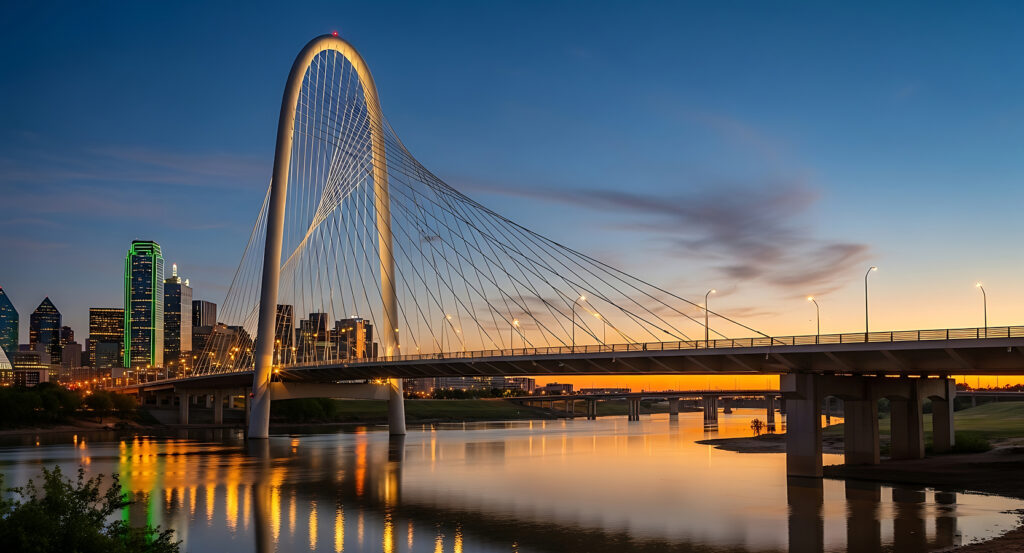
Why you should experience Wood Street in Dallas, Texas.
Wood Street is a distinctive corridor where Deep Ellum's industrial heritage, artistic identity, entrepreneurial spirit, and architectural character converge within one of Dallas' most compelling urban streets.
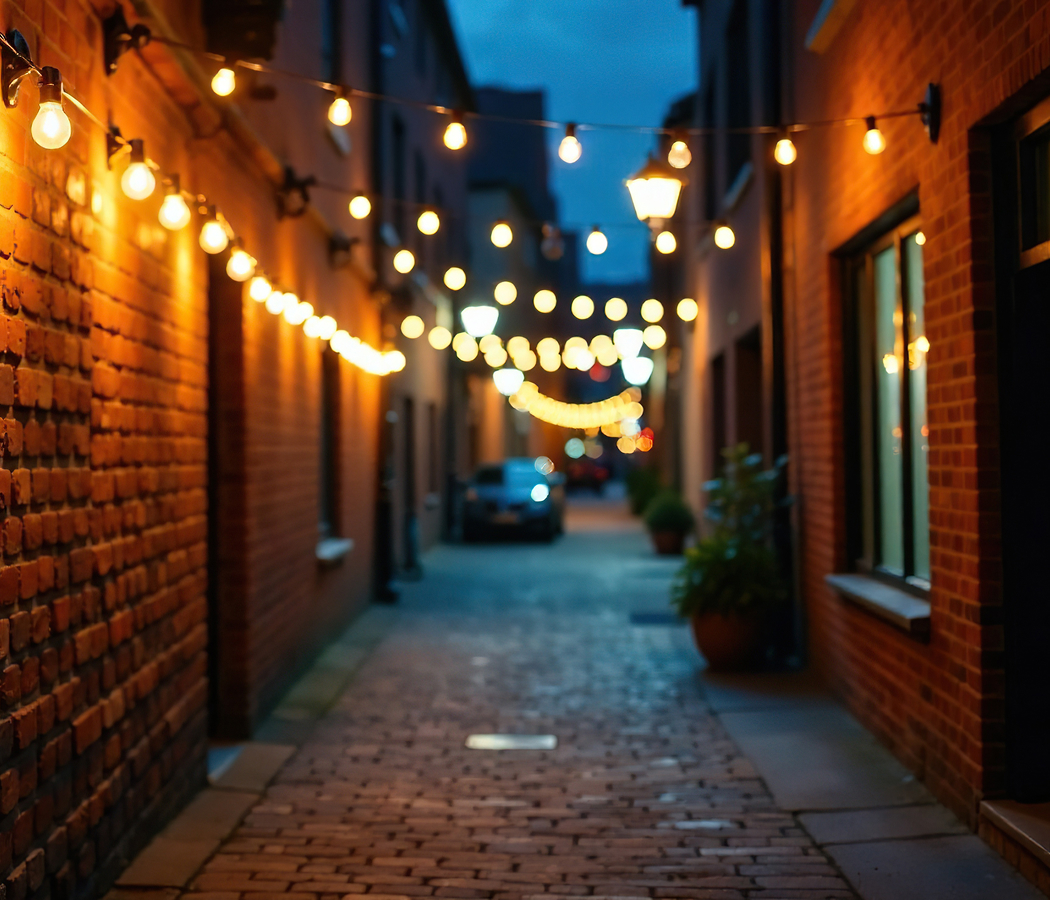
Running through Deep Ellum between Downtown and Exposition Park, the corridor connects historic warehouse buildings, creative studios, neighborhood businesses, and entertainment venues that reflect more than a century of continual reinvention. Each successive block reveals brick façades, painted murals, restored industrial buildings, steel detailing, and an energetic pedestrian atmosphere that reinforces the district's enduring creative identity. The defining moment arrives as Wood Street demonstrates how industrial architecture and cultural expression continue strengthening one another across one of Dallas' most recognizable neighborhoods. The result is an experience defined by creative energy, architectural authenticity, and one of Deep Ellum's most engaging corridors.
What you should know about Wood Street.
Wood Street is best known for developing alongside Deep Ellum's emergence as Dallas' principal warehouse and manufacturing district after the arrival of the Texas and Pacific Railway during the 1870s, when freight infrastructure and industrial investment transformed the surrounding area into a regional center for commerce and production. Construction accelerated between the 1890s and 1930s, introducing substantial collections of Chicago School, Commercial Style, and utilitarian warehouse buildings distinguished by load-bearing brick masonry, reinforced concrete framing, heavy timber structural systems, steel industrial sash windows, corbelled brick cornices, and elevated loading docks that continue defining the corridor's architectural identity. Early occupants included cotton merchants, farm implement distributors, machinery suppliers, food wholesalers, and manufacturing firms whose operations depended upon nearby railroad sidings and freight depots serving North Texas. During the late twentieth century, preserved industrial buildings gradually attracted recording studios, artist workspaces, independent businesses, and creative entrepreneurs while retaining the corridor's historic scale and masonry character. Collectively, the corridor's railroad heritage, industrial architecture, commercial enterprise, and long-term adaptive evolution established Wood Street as one of Deep Ellum's defining historic corridors.
Deep Ellum Foundation has strengthened Wood Street's character through coordinated public art initiatives, streetscape improvements, neighborhood programming, and preservation efforts that reinforce the corridor's longstanding creative culture. The Traveling Man public sculptures by Brad Oldham and Brandon Oldenburg, installed nearby in 2009, draw inspiration from the neighborhood's railroad history and establish a broader artistic structure that complements Wood Street's industrial setting. Original brick paving remnants, decorative ghost signs, steel fire doors, exposed timber beams, and surviving freight-loading features continue revealing tangible evidence of the corridor's manufacturing past beneath its contemporary creative economy. Together, these cultural organizations, artist-led public installations, and preserved industrial features demonstrate how Wood Street continues evolving through creative reinvestment while remaining firmly rooted in the physical fabric that established Deep Ellum's historic identity.
How to fold Wood Street into your trip.
Wood Street works as a walk through Deep Ellum's industrial architecture and creative culture.
Begin at Deep Ellum Murals, where large-scale street art introduces the neighborhood's unmistakable visual character while establishing the creative atmosphere that naturally frames the remainder of the experience. Continue to The Bomb Factory, where the restored industrial venue reveals another layer of Deep Ellum's warehouse heritage before demonstrating how historic buildings continue serving contemporary cultural life. Conclude at Blues Alley, where public art honoring Deep Ellum's pioneering musicians provides the historical and cultural payoff by connecting the district's creative present with the musical legacy that made the neighborhood internationally significant. The progression moves naturally from contemporary artistic expression to preserved industrial architecture before culminating in the cultural history that continues defining Deep Ellum today.
Where your story begins.
Foresyte Travel reveals places that feel extraordinary long before you arrive.
Experience premium editorial crafted for luxury travelers.