Why you should experience Worthington Street in Dallas, Texas.
Worthington Street is an enterprising corridor where Downtown's industrial legacy, civic ambition, architectural reinvention, and creative energy converge within one of the city's most compelling urban streets.
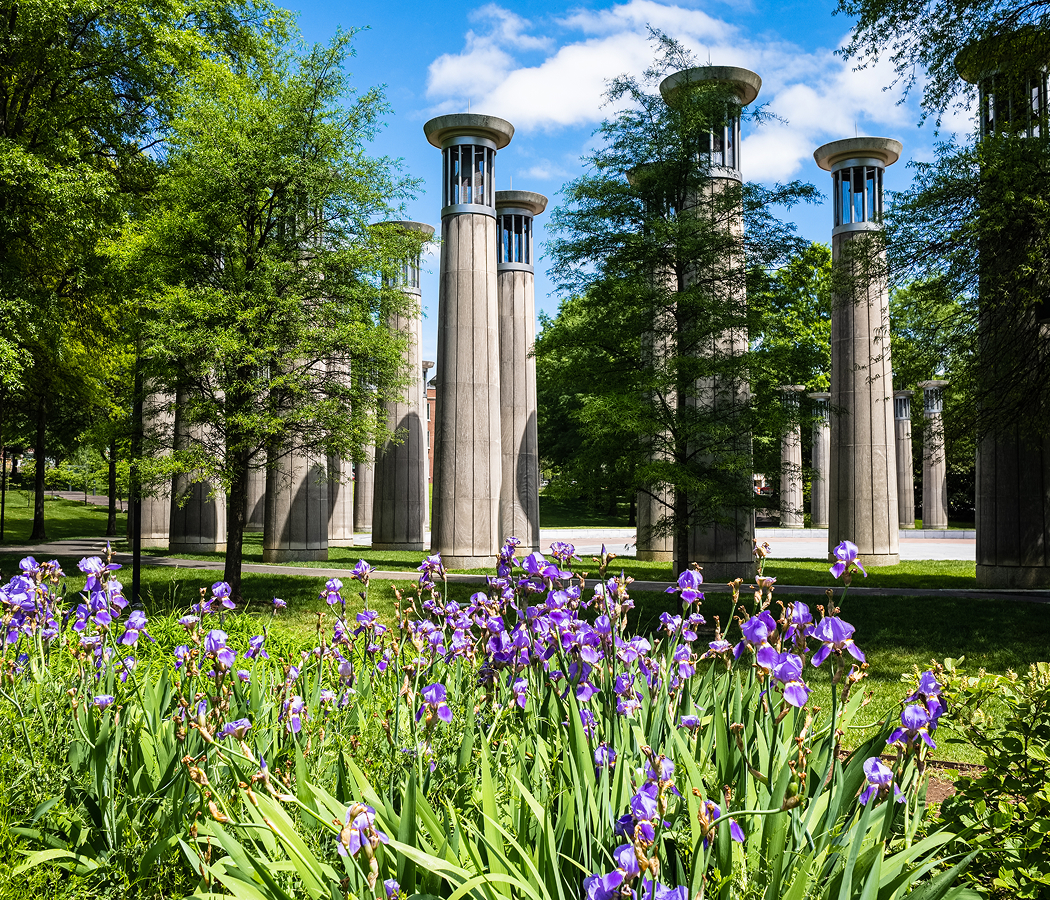
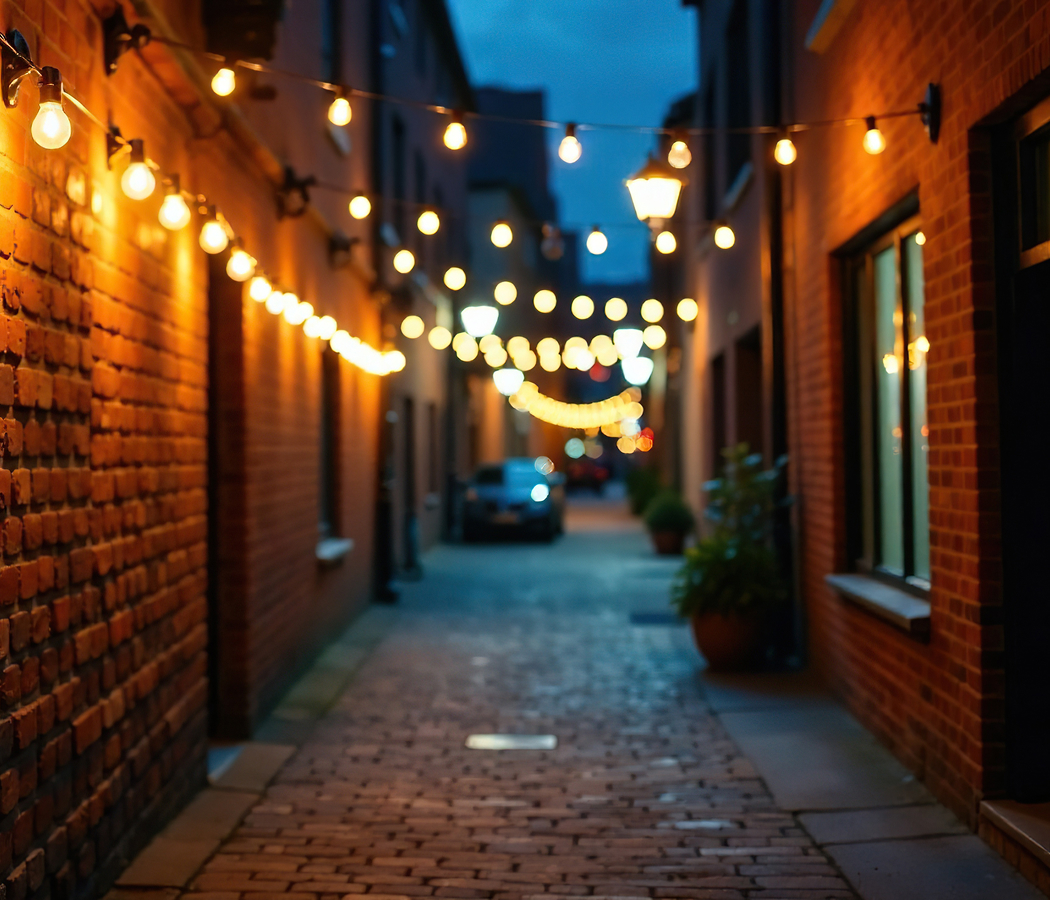
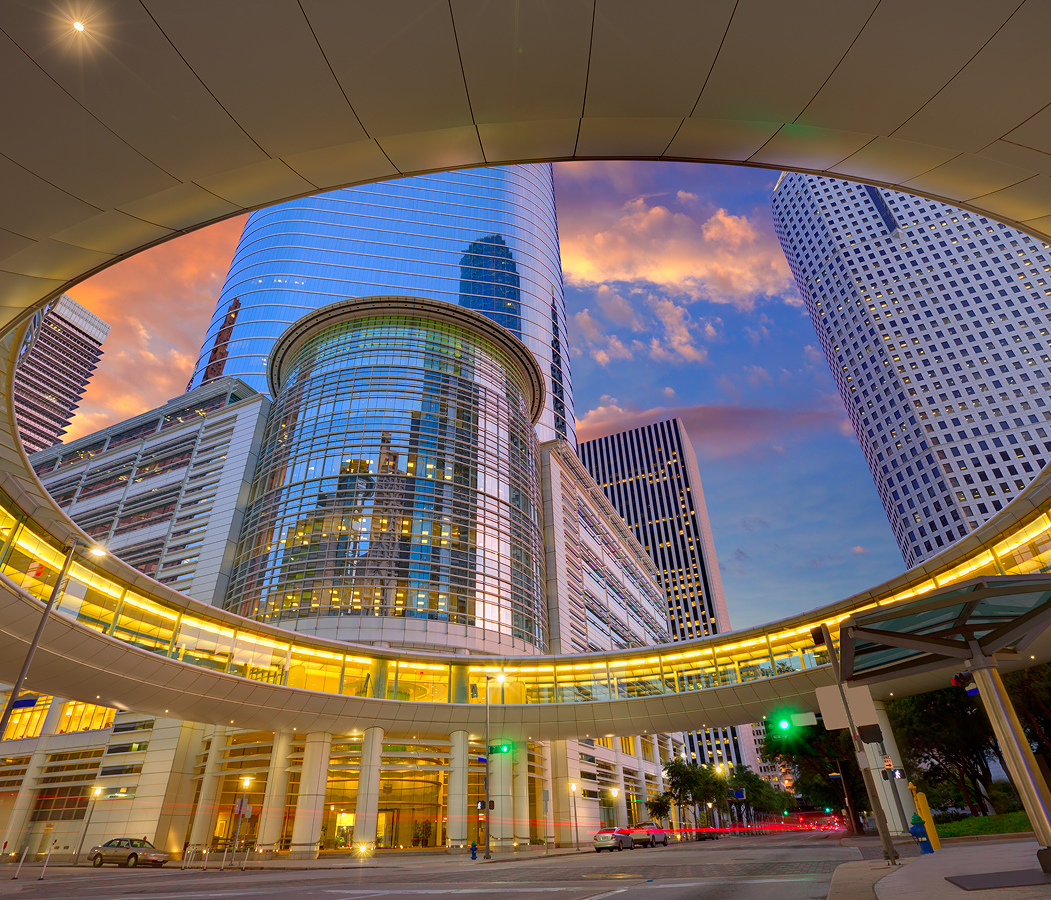
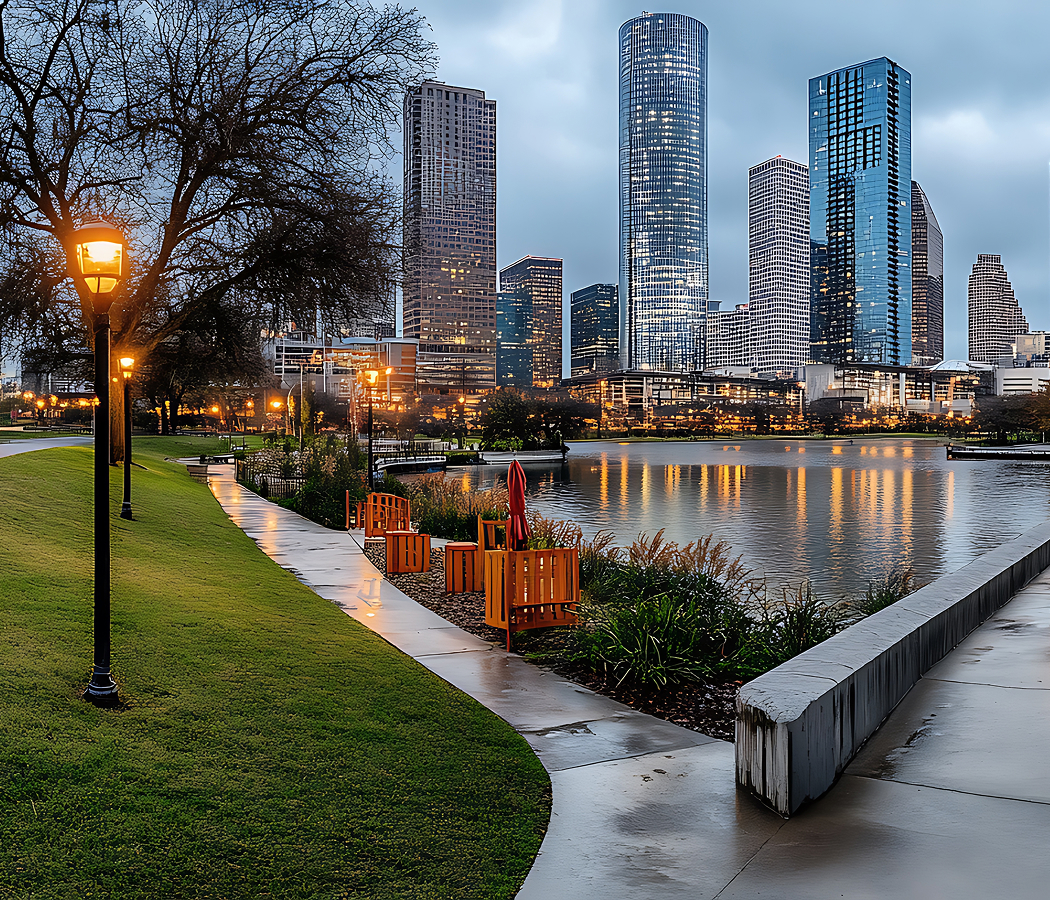
Running through Downtown between the Cedars and the Main Street District, the corridor connects converted warehouses, contemporary offices, cultural destinations, and historic commercial buildings that reflect more than a century of continual transformation. Each successive block reveals brick loft buildings, steel-framed structures, broad sidewalks, public art, and restored industrial architecture that reinforce the corridor's enduring role within Dallas' evolving urban core. The defining moment arrives as Worthington Street demonstrates how industrial infrastructure and modern redevelopment continue complementing one another across one of Downtown's most distinctive streets. The result is an experience defined by architectural character, creative momentum, and one of Downtown's most engaging corridors.
What you should know about Worthington Street.
Worthington Street is best known for developing during Dallas' emergence as the Southwest's principal wholesale and railroad center after the arrival of the Houston and Texas Central Railway in 1872 and the Texas and Pacific Railway in 1873, events that established the surrounding warehouse district as a regional distribution hub. Commercial expansion accelerated between the 1890s and 1930s, introducing substantial collections of Chicago School, Classical Revival, and utilitarian warehouse architecture distinguished by load-bearing brick masonry, reinforced concrete framing, heavy timber construction, steel industrial sash windows, corbelled cornices, and raised loading docks that continue defining the corridor's architectural identity. The corridor developed immediately adjacent to the historic Dallas Union Terminal rail complex, reinforcing Worthington Street's importance for wholesale merchants, manufacturers, freight companies, and produce distributors serving North Texas. Successive rehabilitation projects have preserved numerous early twentieth-century warehouse buildings while adapting them for offices, residences, hospitality, and creative businesses without substantially altering the historic street pattern. Collectively, the corridor's railroad heritage, wholesale commerce, industrial architecture, and adaptive urban evolution established Worthington Street as one of Downtown's defining historic corridors.
The Cedars Open Studios program has strengthened Worthington Street's creative character by opening nearby artist workspaces to the public and reinforcing the corridor's longstanding relationship with warehouse buildings that now support studios, galleries, and small creative enterprises. Preservation Dallas has documented historic commercial buildings surrounding the corridor through architectural surveys and advocacy that encourage retention of original masonry, industrial detailing, and early twentieth-century warehouse character. Surviving freight spurs, granite curbing, steel lintels, brick firewalls, and painted warehouse signage continue revealing physical evidence of the corridor's distribution economy while complementing carefully restored commercial façades. Together, these arts initiatives, preservation efforts, and surviving industrial features demonstrate how Worthington Street evolved from a freight-oriented commercial corridor into a creative urban district while retaining the physical fabric that defines its historic identity.
How to fold Worthington Street into your trip.
Worthington Street works as a walk through Downtown's industrial heritage and contemporary culture.
Begin at Pioneer Plaza, where the grand cattle-drive sculpture establishes the historical context of Dallas' commercial ascent before naturally guiding the experience toward the surrounding warehouse district that shaped Worthington Street. Continue to Dallas Heritage Village at Old City Park, where preserved nineteenth-century structures deepen appreciation for the city's architectural and social development before leading back toward the revitalized urban core. Conclude at The Joule Eye, where Tony Tasset's dramatic cantilevered sculpture provides the artistic payoff while highlighting Downtown's continuing commitment to ambitious public art and creative placemaking. The progression moves naturally from the city's commercial origins to its preserved architectural heritage before culminating in a contemporary work that reflects Downtown's ongoing reinvention.
Where your story begins.
Foresyte Travel reveals places that feel extraordinary long before you arrive.
Experience premium editorial crafted for luxury travelers.