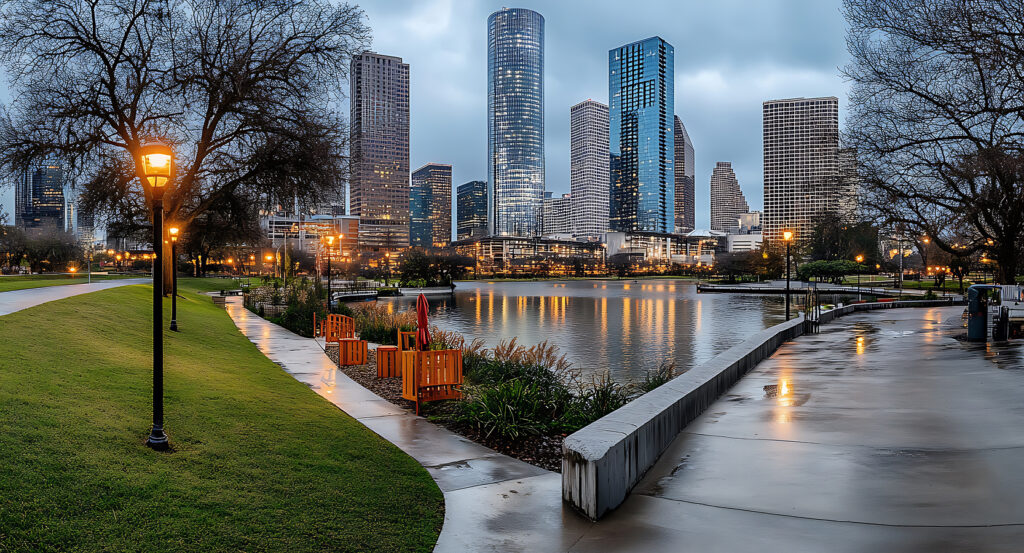
Why you should experience 11th Street in Houston, Texas.
11th Street is a refined corridor where Houston Heights' architectural heritage, neighborhood traditions, entrepreneurial spirit, and enduring walkable character continue defining one of the community's most recognizable east-west streets.
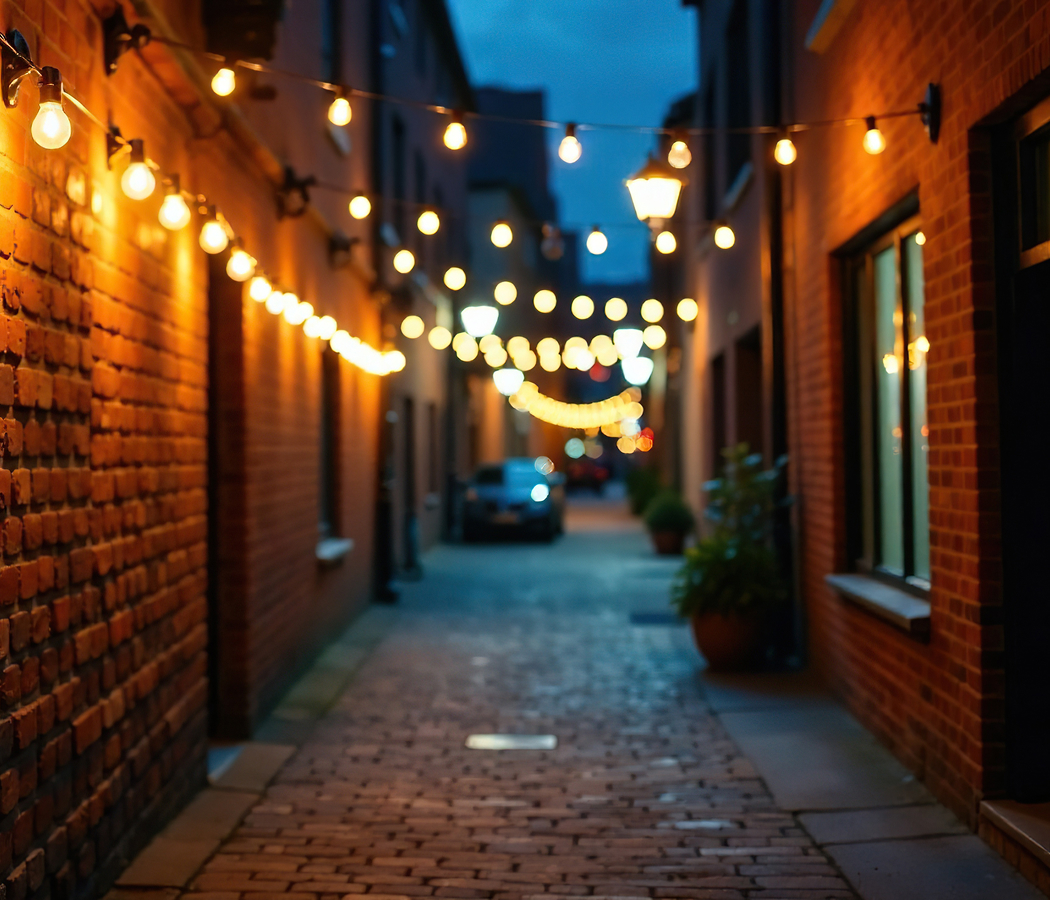
Running through Houston Heights between Greater Heights and Shady Acres, the corridor connects preserved early twentieth-century residences, neighborhood churches, independent businesses, locally owned cafés, and mature tree-lined blocks that collectively reflect more than a century of continuous community life. Broad rights-of-way, landscaped esplanades, historic brick sidewalks, and towering live oaks preserve the generous planning principles established during Houston Heights' earliest decades while supporting a spirited neighborhood environment. Throughout the corridor, architecturally significant buildings, longstanding institutions, and independent commerce reinforce a setting whose character has matured through careful preservation. The result is an experience defined by elegance, authenticity, and one of Houston Heights' most enduring neighborhood corridors.
What you should know about 11th Street.
11th Street is best known for traversing Houston Heights, the planned suburb established in 1891 by the Omaha and South Texas Land Company under developer Oscar Martin Carter as one of Texas's earliest comprehensively planned residential communities. The corridor developed within an unusually broad street grid that incorporated generous setbacks, landscaped esplanades, and walkable residential blocks decades before comparable suburban planning became common throughout greater Houston. Electric streetcar service introduced by the Houston Electric Company during the early twentieth century strengthened commercial activity along adjoining intersections while encouraging construction of Queen Anne, Colonial Revival, American Craftsman, Prairie School, and Bungalow residences between the 1890s and the 1930s. Before Houston annexed Houston Heights in 1918, 11th Street formed part of an independent municipality that maintained its own civic government, utilities, and commercial institutions while establishing a distinctive neighborhood character that remains visible today. Mature live oaks, cedar elms, pecan trees, southern magnolias, and native understory vegetation continue forming one of Houston Heights' defining urban canopies while reinforcing the landscape envisioned during the community's original development.
Nearby All Saints Catholic Church, whose Gothic Revival sanctuary was completed in 1908, has remained one of Houston Heights' defining religious institutions for more than a century while preserving an important example of early ecclesiastical architecture. A short distance from the corridor, the 1898 Houston Heights Water Tower continues standing as one of Houston's oldest surviving elevated water structures, illustrating the engineering investment that supported the independent municipality during its earliest years. Original brick masonry, prism-glass transoms, decorative cornices, and handcrafted ornamental details surviving along nearby commercial buildings reveal the quality of construction that accompanied Houston Heights' commercial maturation during the early twentieth century. Together, these historic institutions, engineering landmarks, and preserved architectural features deepen the historical narrative established by the surrounding streetscape, demonstrating how 11th Street remains closely connected to Houston Heights' enduring architectural and civic legacy.
How to fold 11th Street into your trip.
11th Street works as a leisurely exploration of Houston Heights' historic streetscape, neighborhood culture, and thoughtfully preserved public spaces.
Begin at Heights Boulevard, where the landscaped esplanade, historic residences, and expansive green median introduce the planning philosophy that has distinguished Houston Heights for generations before following 11th Street through the surrounding neighborhood. Continue to Donovan Park, whose imaginative public art, mature shade trees, and welcoming gathering spaces provide a relaxing pause within the historic residential landscape. Conclude at Heights Mercantile, where locally owned boutiques, thoughtfully designed public spaces, and contemporary dining demonstrate how Houston Heights continues balancing preservation with modern neighborhood life. The progression moves naturally from historic urban planning through community gathering space before concluding in a destination that reflects the neighborhood's continuing evolution, revealing why 11th Street remains one of Houston Heights' defining corridors.
Where your story begins.
Foresyte Travel reveals places that feel extraordinary long before you arrive.
Experience premium editorial crafted for luxury travelers.