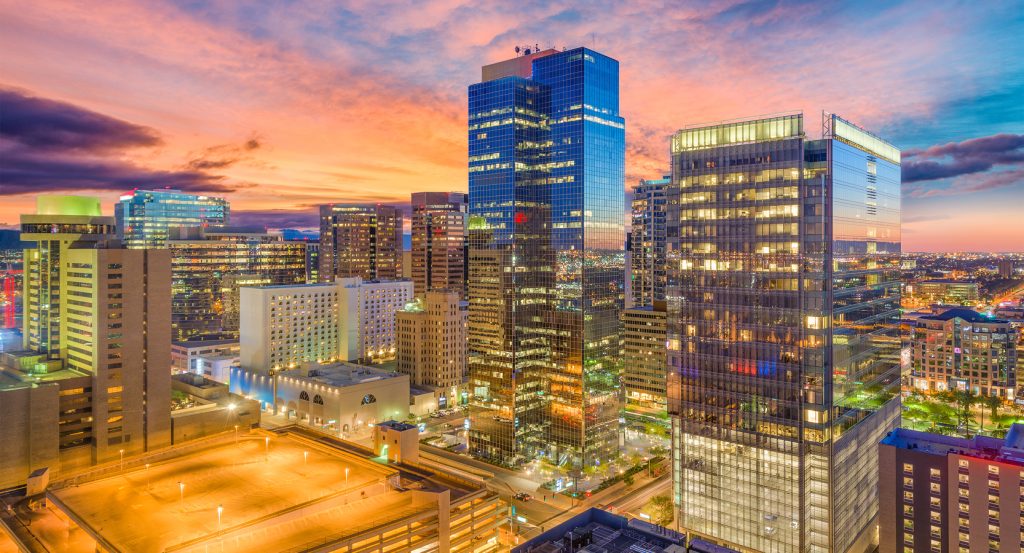
Why 1st Street matters.
1st Street is a spirited corridor where Downtown's civic heritage, cultural ambition, architectural legacy, and contemporary energy create one of Central Phoenix's most engaging streets.
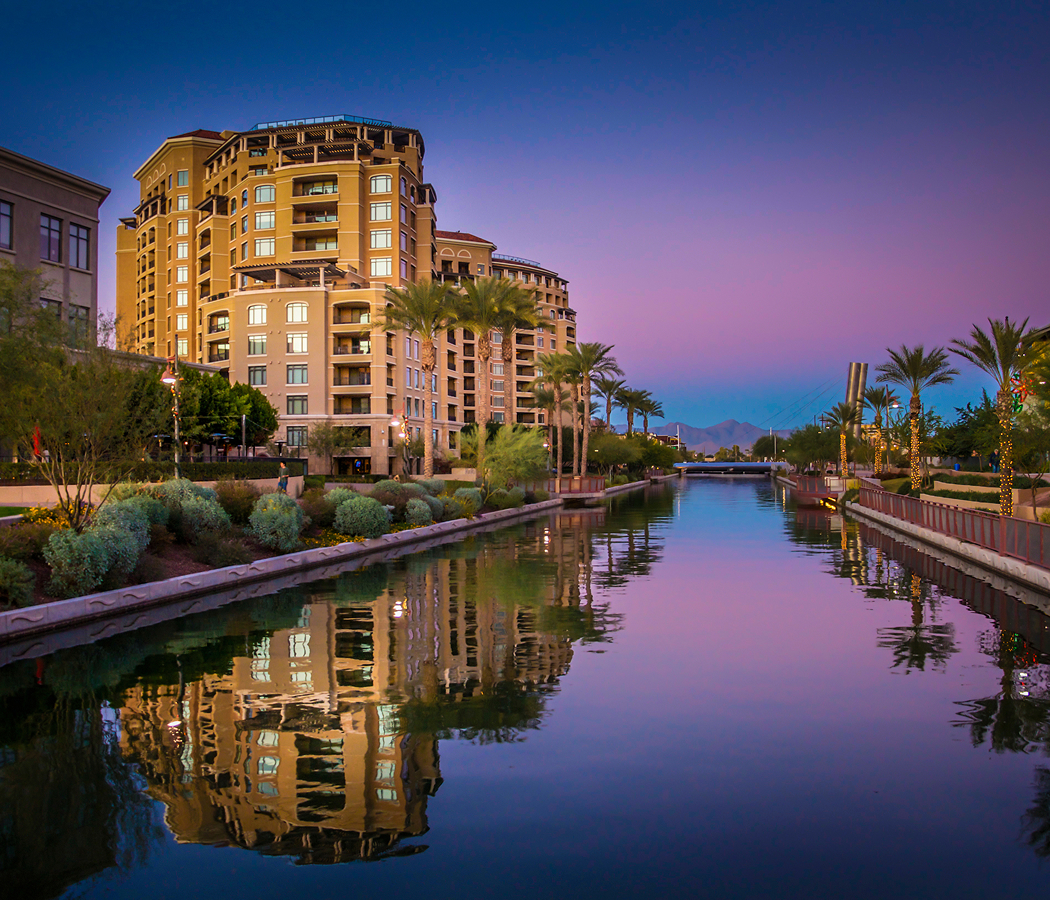
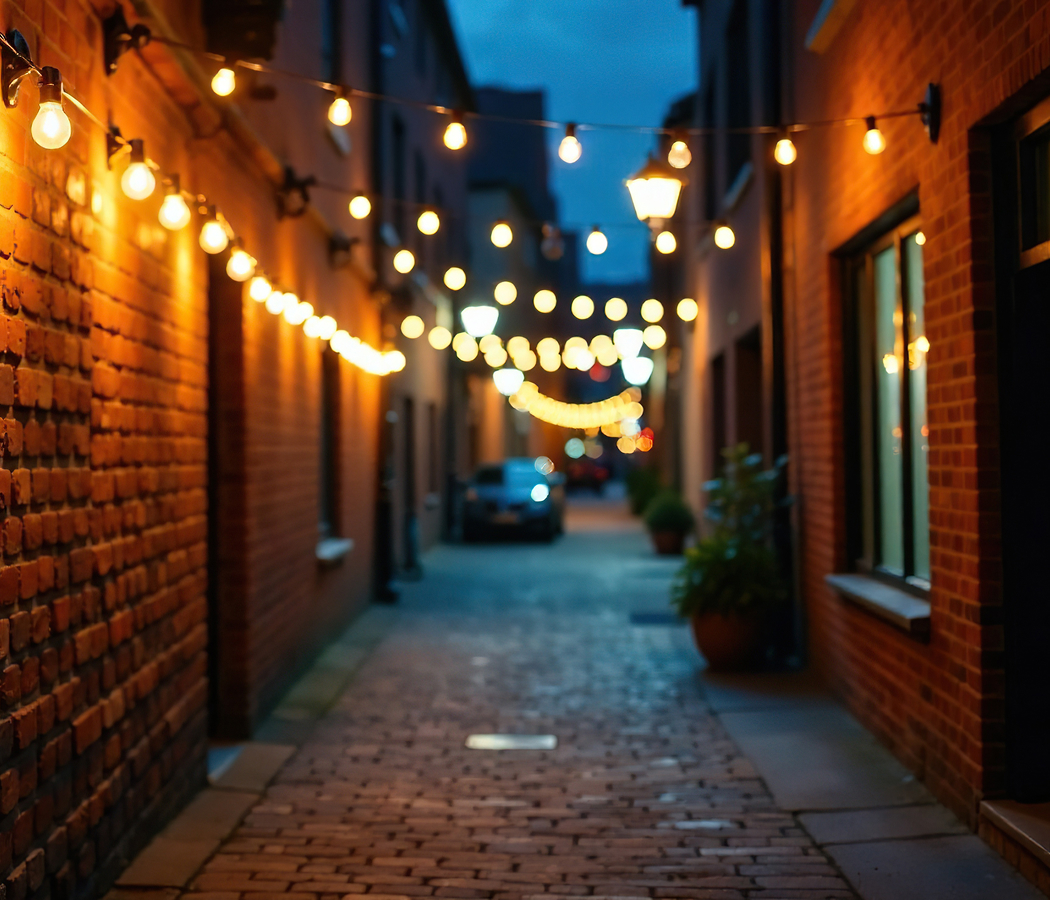
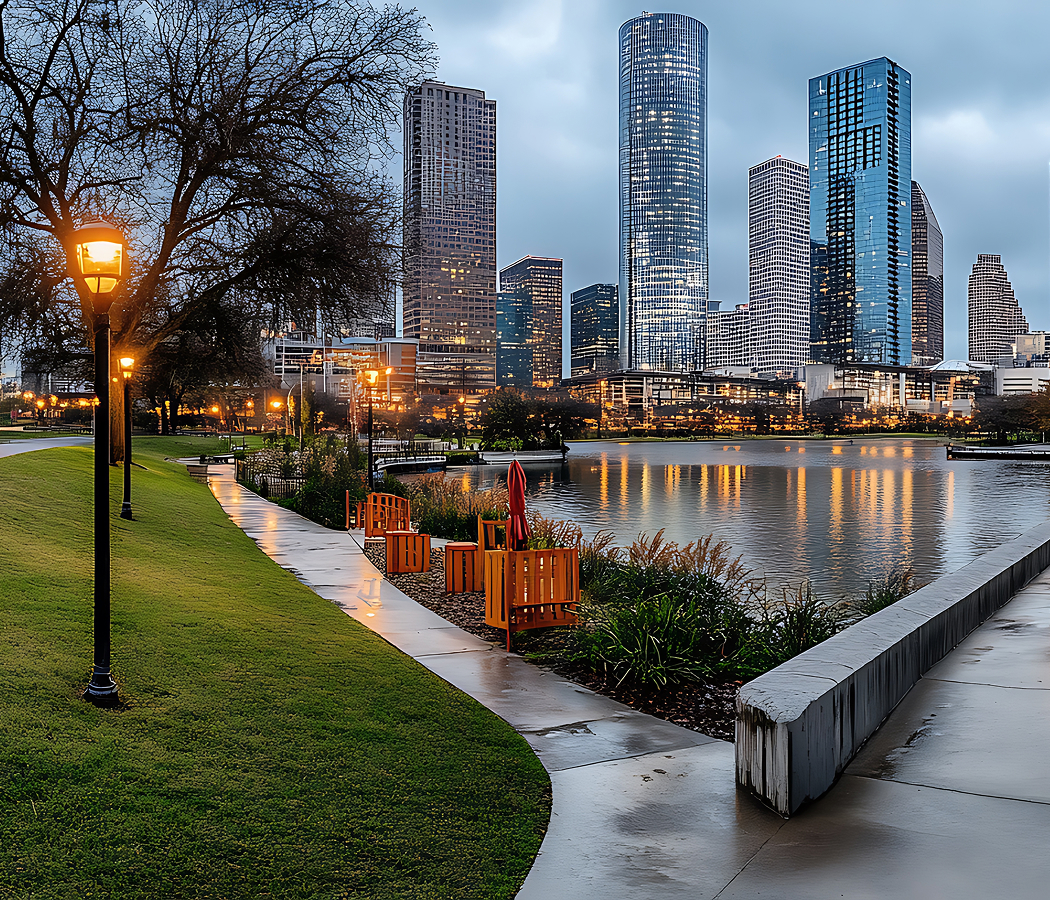
Running through Downtown between Roosevelt Row and the Government District, the street connects historic neighborhoods, performing arts venues, civic institutions, museums, and expanding residential districts that reflect more than a century of urban evolution. Each successive stretch reveals preserved brick buildings, public art, shaded sidewalks, contemporary towers, and landscaped gathering spaces that reinforce the corridor's unmistakable identity. The defining moment arrives as 1st Street demonstrates how historic preservation, cultural investment, and modern downtown living continue shaping one of Phoenix's defining urban corridors. The result is an experience defined by architectural richness, creative vitality, and one of Downtown's most rewarding streets.
What you should know 1st Street.
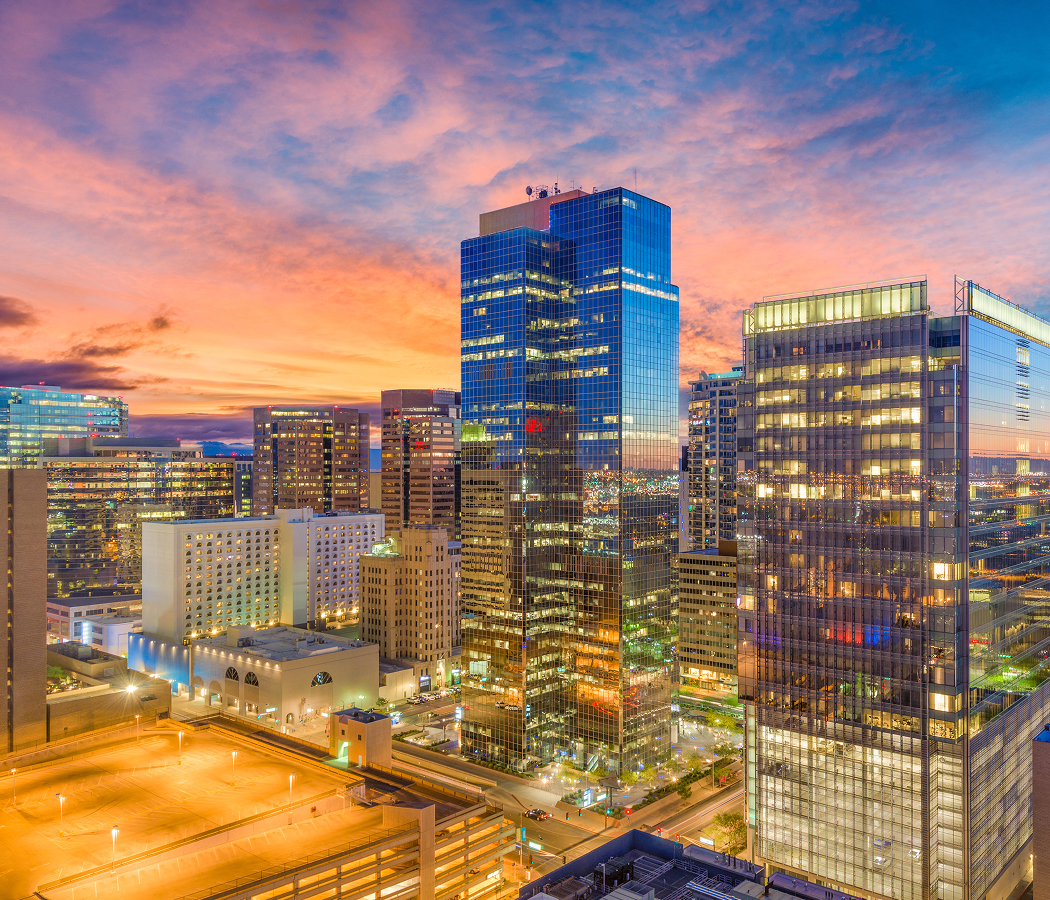
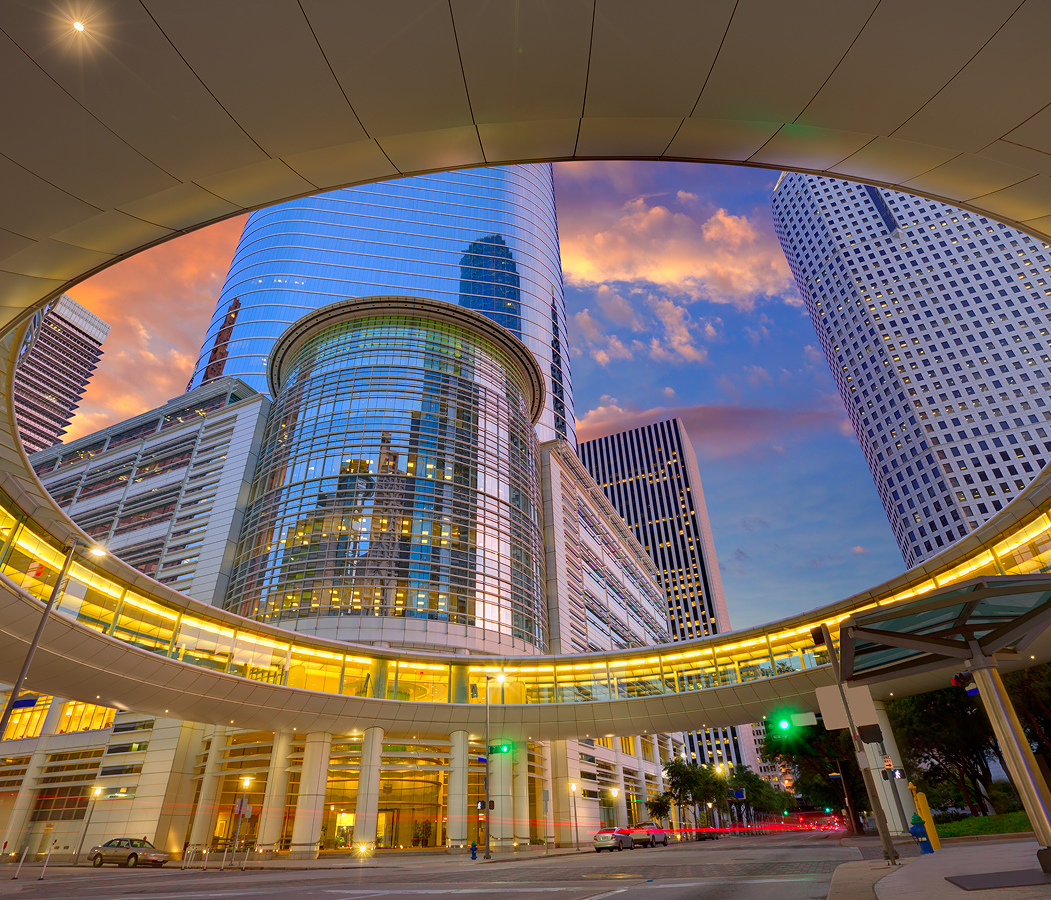
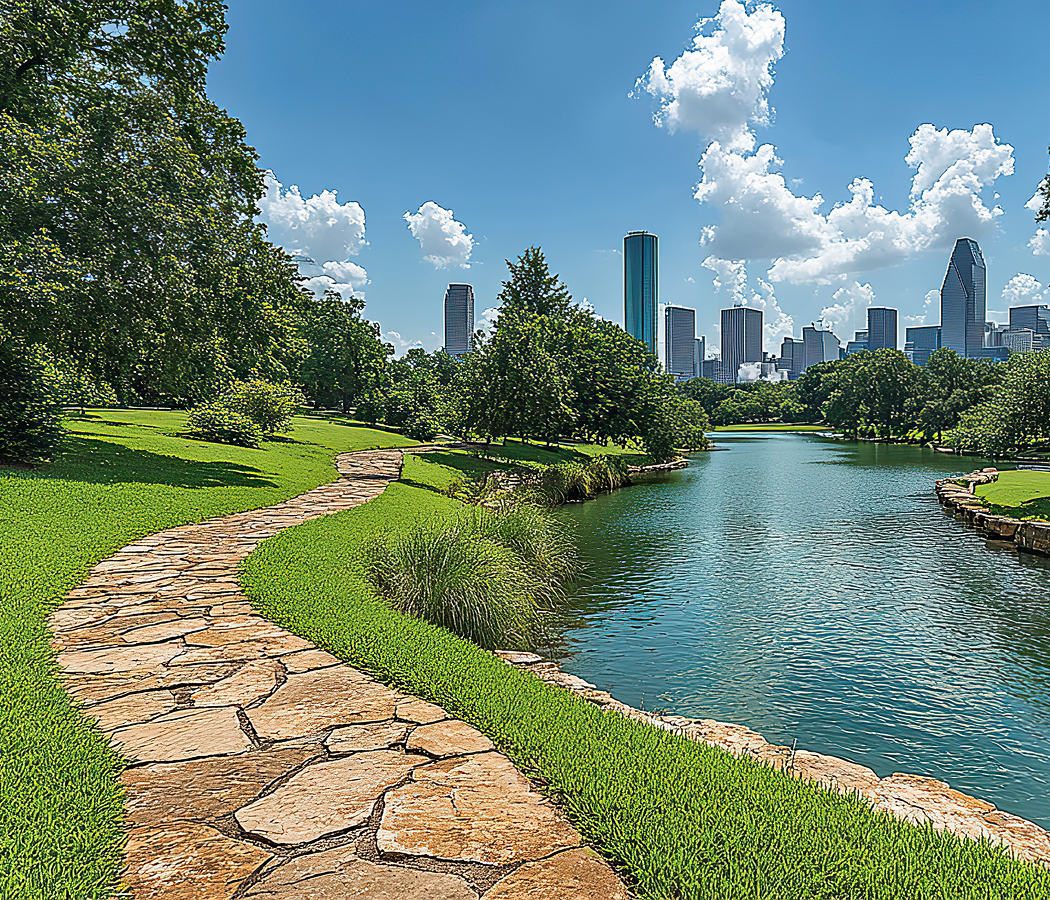
1st Street is best known for traversing the heart of Downtown, where governmental expansion, commercial investment, and cultural development established Arizona's principal urban center throughout the twentieth century. Civic and commercial construction introduced Art Deco, Beaux-Arts, Mid-Century Modern, International Style, and contemporary high-rise architecture distinguished by reinforced concrete, structural steel, limestone, polished granite, curtain wall glazing, ornamental masonry, and decorative metal detailing that continue defining the corridor's architectural identity. The street evolved alongside office towers, hotels, theaters, government buildings, and residential developments while benefiting from the opening of Valley Metro Rail in 2008, which strengthened pedestrian connectivity throughout the downtown core. Blue palo verde, desert willow, shaded plazas, irrigated planting beds, coordinated streetscape improvements, and public gathering spaces soften the dense urban landscape while reinforcing connections between major civic destinations. Continued reinvestment has restored historic buildings, encouraged commercial occupancy, expanded residential construction, and reinforced the corridor's role within Phoenix's revitalized urban center. Collectively, the corridor's civic prominence, architectural diversity, transportation connectivity, and sustained investment established 1st Street as one of Downtown's defining corridors.
Bordering the corridor, Phoenix City Hall, completed in 1994, consolidated municipal government within a modern high-rise whose granite exterior, public plaza, and civic artwork symbolize Downtown's continuing evolution as Arizona's governmental center. Nearby, St. Mary's Basilica, dedicated in 1915 and elevated to basilica status by Pope John Paul II in 1985, preserves Romanesque Revival architecture, stained-glass windows, and one of Phoenix's oldest continuously active congregations. The surrounding downtown blocks also include the Phoenix Financial Center, completed in 1964, whose distinctive circular office tower and aluminum sunshade system remain among the city's most recognizable examples of Mid-Century Modern commercial architecture. Together, these civic buildings, religious institutions, and architectural landmarks demonstrate how 1st Street reflects a downtown environment where public leadership, preservation, and design excellence continue reinforcing one another.
How 1st Street fits.
1st Street works as an exploration of Downtown's civic heritage, artistic energy, and cultural institutions.
Begin at Heritage Square, where preserved Victorian-era buildings establish the historical foundation surrounding 1st Street while introducing Phoenix's earliest residential development. Continue to Roosevelt Row Arts District, where galleries, murals, and creative businesses deepen appreciation for the artistic energy shaping modern Downtown before guiding the experience toward its historical conclusion. Conclude at Phoenix Art Museum, where internationally recognized collections provide the historical payoff by illustrating the artistic and cultural evolution that continues defining Central Phoenix. The progression moves naturally from the city's earliest residential heritage to contemporary creativity before culminating in one of the Southwest's leading art museums.
Where your story begins.
Foresyte Travel reveals places that feel extraordinary long before you arrive.
Enjoy editorial crafted for luxury travelers.
Foresyte may earn a commission when you book.