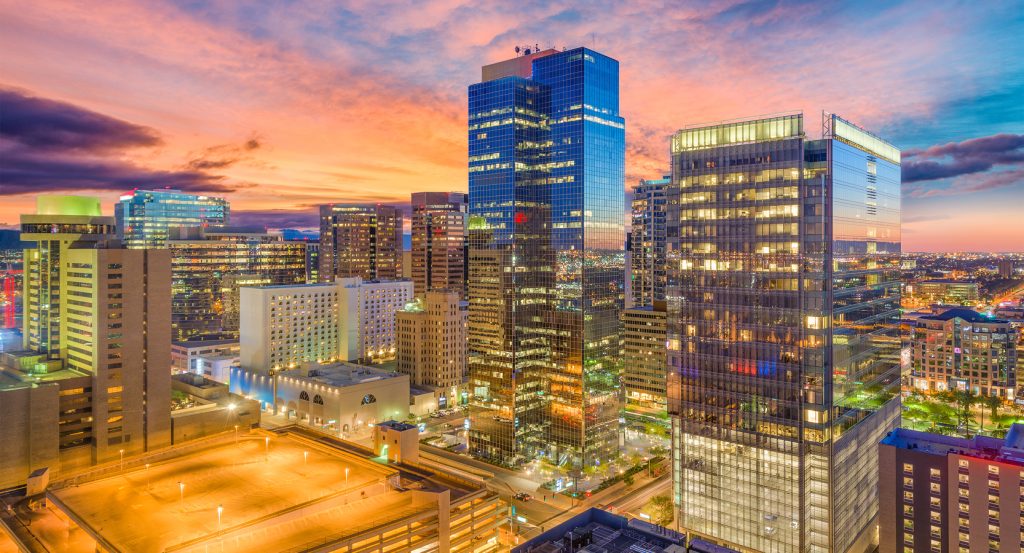
Why you should experience 29th Avenue in Phoenix, Arizona.
29th Avenue is an enterprising corridor where Alhambra's multicultural heritage, commercial vitality, neighborhood resilience, and Central Phoenix growth create one of the city's most engaging thoroughfares.
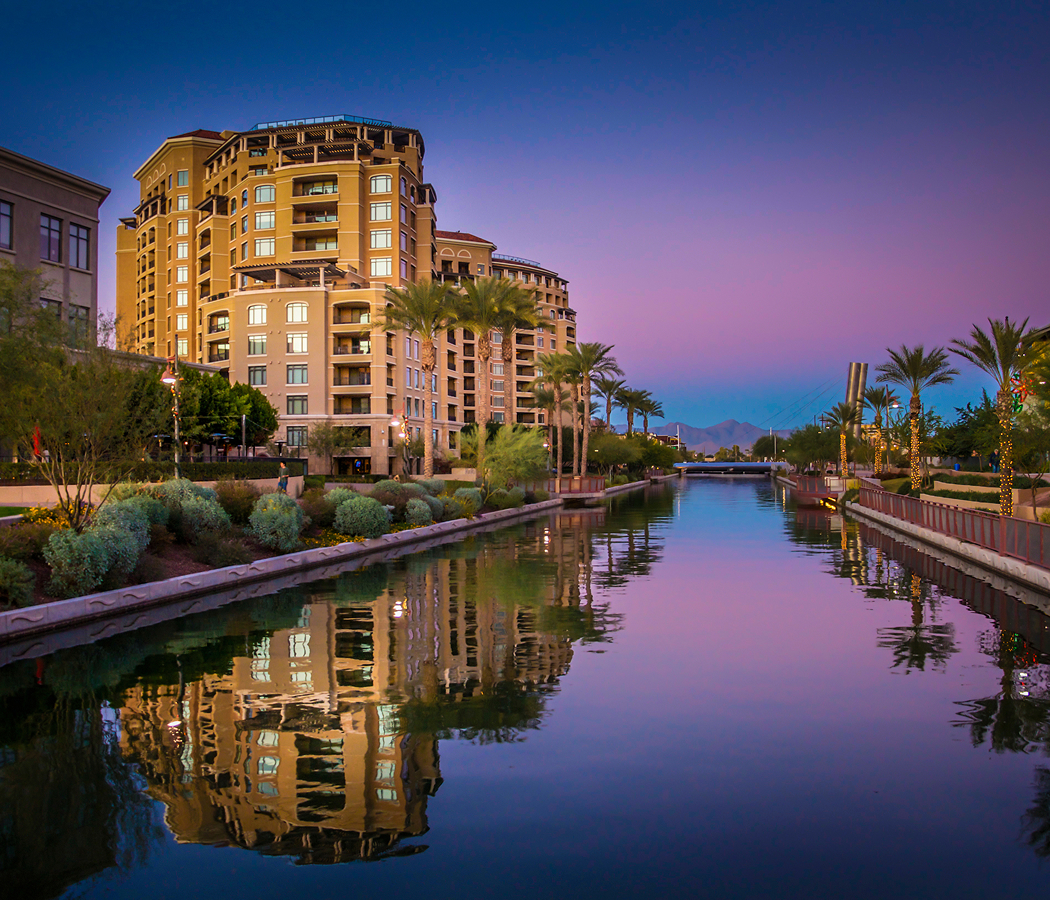
Running through Alhambra between Encanto and North Mountain Village, the avenue connects established neighborhoods, community parks, regional shopping districts, employment centers, and longstanding business corridors that reflect decades of metropolitan expansion across Central Phoenix. Each successive stretch reveals mature shade trees, neighborhood storefronts, landscaped medians, contemporary commercial architecture, and expansive desert skies that reinforce the avenue's unmistakable identity. The defining moment arrives as 29th Avenue demonstrates how entrepreneurial investment, cultural diversity, and sustained neighborhood growth continue shaping one of Central Phoenix's defining corridors. The result is an experience defined by neighborhood vitality, commercial character, and one of Alhambra's most rewarding corridors.
What you should know about 29th Avenue.
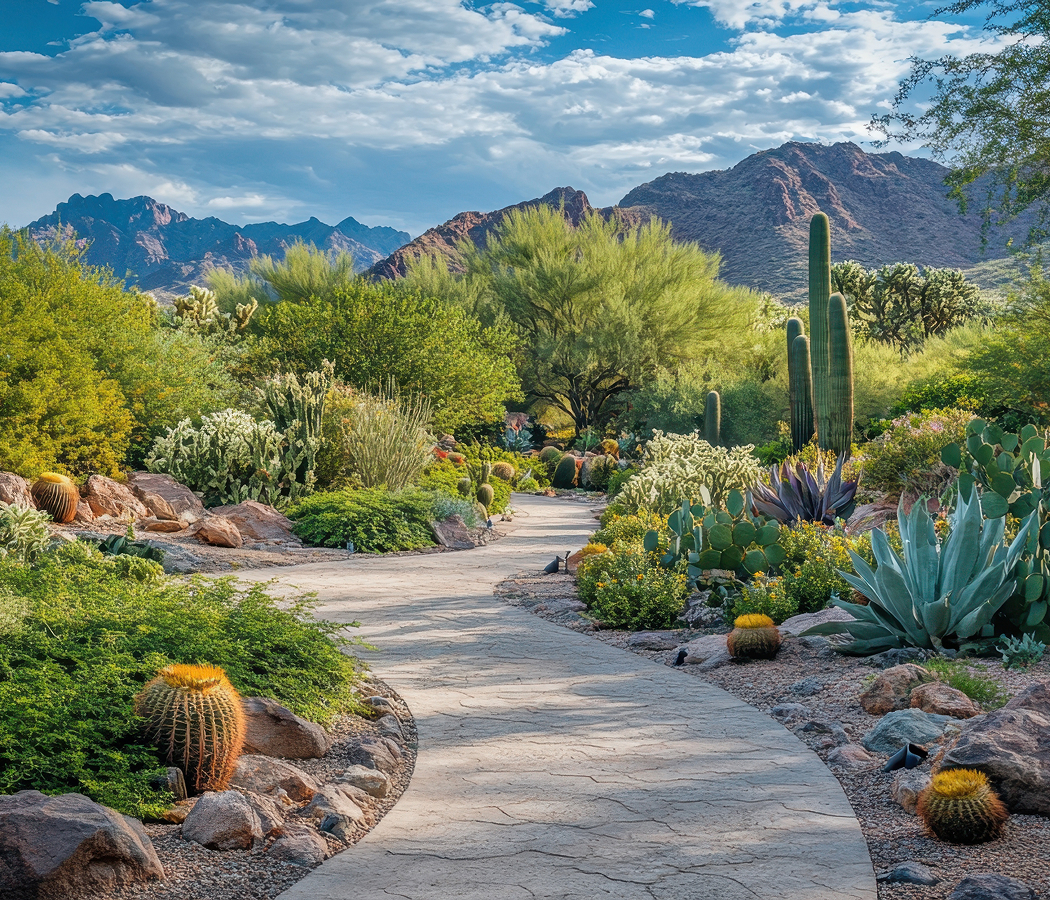
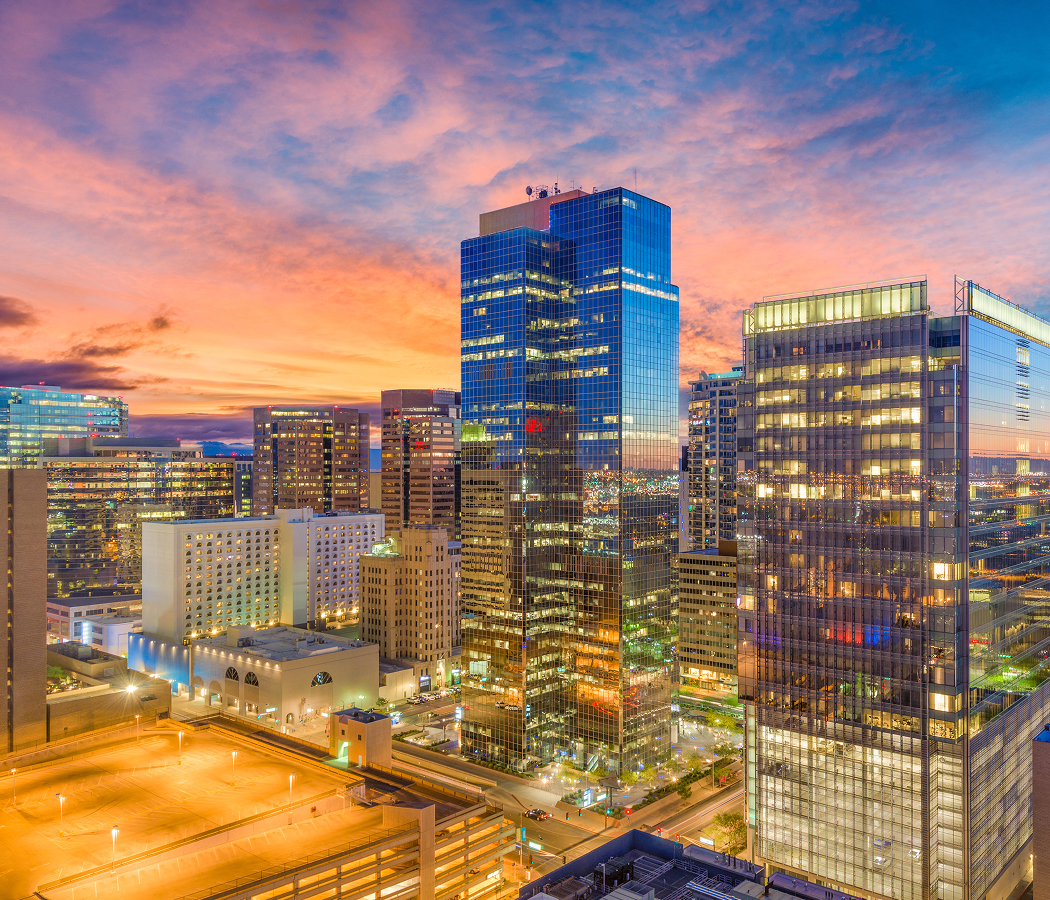
29th Avenue is best known for supporting Alhambra's rapid residential and commercial expansion throughout the 1950s, 1960s, and 1970s, when Central Phoenix experienced sustained suburban growth beyond its historic downtown core. Commercial development introduced neighborhood shopping centers, professional offices, hospitality properties, healthcare facilities, and retail destinations featuring reinforced concrete, structural steel framing, stucco façades, decorative masonry, curtain wall glazing, shaded arcades, and landscaped setbacks that continue defining the avenue's architectural identity. The corridor developed alongside major east-west arterial streets that strengthened regional accessibility while attracting financial services, automotive businesses, healthcare providers, and independently owned enterprises throughout Central Phoenix. Landscaped medians, blue palo verde, desert willow, red yucca, agave, and irrigated planting beds reinforce the avenue's relationship with the surrounding Sonoran Desert while softening its broad urban scale. Continued reinvestment has modernized commercial properties, expanded neighborhood services, strengthened retail activity, and maintained 29th Avenue as one of Alhambra's principal neighborhood corridors. Collectively, the corridor's suburban origins, commercial prominence, architectural evolution, and sustained investment established 29th Avenue as one of Central Phoenix's defining thoroughfares.
Adjacent to the corridor, Phoenix College, founded in 1920, became Arizona's first community college and continues contributing educational opportunities, workforce development, and cultural programming that influence surrounding neighborhoods well beyond its historic campus. Nearby, Bethany Bible Church, established in 1943, remains one of Central Phoenix's longstanding religious institutions, reflecting the community organizations that matured alongside Alhambra's postwar residential growth. The surrounding commercial districts also support a longstanding collection of Mexican, Vietnamese, Middle Eastern, and Asian restaurants, neighborhood bakeries, international markets, and independently operated retailers whose continued success reflects the cultural traditions that have become central to the character of 29th Avenue. Together, these educational institutions, community organizations, and multicultural businesses demonstrate how 29th Avenue developed into a corridor whose character extends well beyond its commercial prominence.
How to fold 29th Avenue into your trip.
29th Avenue works as an exploration of Central Phoenix's recreation, history, and cultural landscapes.
Begin at Steele Indian School Park, where restored historic buildings, expansive lawns, and cultural interpretation establish the neighborhood story surrounding 29th Avenue while introducing one of Central Phoenix's most meaningful civic landscapes. Continue to Castles N' Coasters, where a longtime family entertainment destination adds another dimension to the corridor before guiding the experience toward its historical conclusion. Conclude at Heard Museum, where internationally recognized collections provide the historical payoff by illuminating the Indigenous cultures whose history forms the foundation of the Salt River Valley. The progression moves naturally from civic history to neighborhood recreation before culminating in one of Arizona's most significant cultural institutions.
Where your story begins.
Foresyte Travel reveals places that feel extraordinary long before you arrive.
Experience premium editorial crafted for luxury travelers.