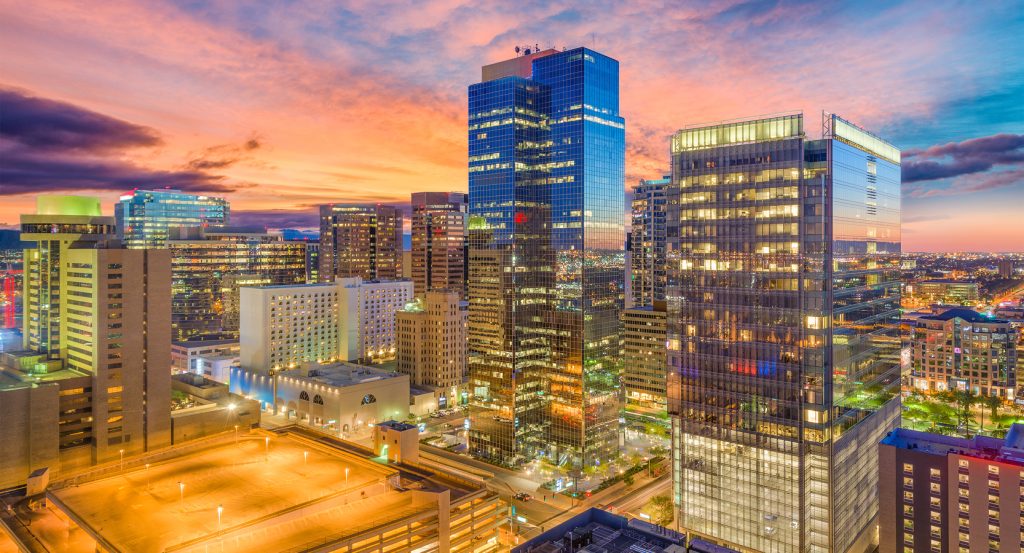
Why 56th Street matters.
56th Street is an elegant corridor where Arcadia's citrus-growing heritage, refined residential character, desert landscapes, and contemporary sophistication create one of East Phoenix's most memorable streets.
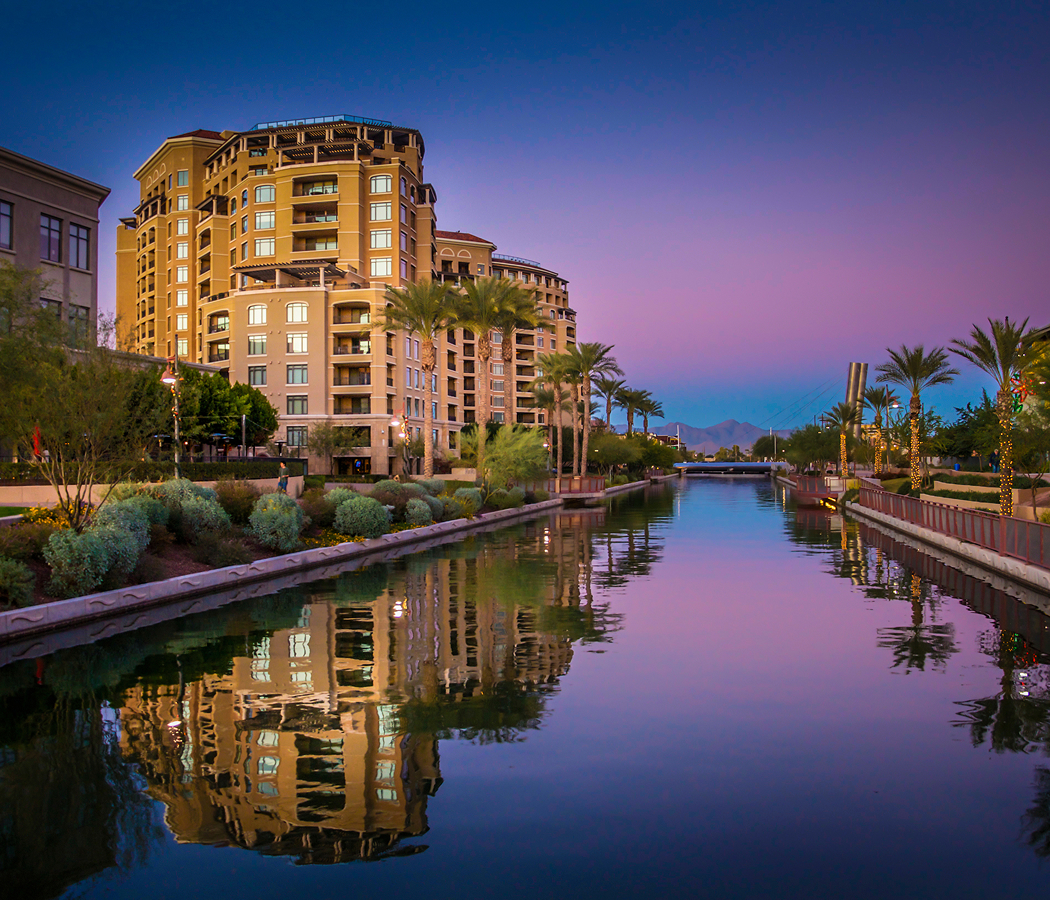
Running through Arcadia between Camelback East and the Salt River corridor, the street connects established neighborhoods, destination resorts, golf courses, local businesses, and mountain preserves that reflect the area's evolution from irrigated farmland to one of Phoenix's most admired communities. Each successive stretch reveals mature citrus groves, distinctive ranch homes, lush landscaping, panoramic mountain views, and thoughtfully integrated commercial destinations that reinforce the corridor's unmistakable identity. The defining moment arrives as 56th Street demonstrates how agricultural heritage, architectural continuity, and sensitive reinvestment continue shaping one of East Phoenix's defining corridors. The result is an experience defined by timeless character, scenic beauty, and one of Arcadia's most rewarding streets.
What you should know 56th Street.
56th Street is best known for traversing Arcadia, a community established across former citrus orchards irrigated by the Arizona Canal, whose reliable water supply transformed the eastern Salt River Valley into one of Arizona's most productive agricultural districts during the early twentieth century. Residential growth accelerated after World War II, introducing spacious ranch houses, Mid-Century Modern residences, and custom estates distinguished by painted brick, natural stone, exposed timber beams, broad picture windows, low-pitched rooflines, irrigated lawns, and mature citrus trees that continue defining the corridor's architectural identity. The street also provides direct access to prominent hospitality destinations, neighborhood retail districts, and recreational amenities while preserving uninterrupted views toward Camelback Mountain, reinforcing its role within one of Phoenix's most recognizable residential landscapes. Orange trees, grapefruit groves, Mexican fan palms, desert willow, blue palo verde, and flowering bougainvillea maintain the corridor's longstanding relationship with the area's agricultural past while enriching its distinctive streetscape. Continued investment has carefully modernized commercial properties and residences without diminishing the landscape traditions that distinguish Arcadia from surrounding neighborhoods. Collectively, the corridor's agricultural origins, architectural craftsmanship, scenic setting, and enduring residential appeal established 56th Street as one of East Phoenix's defining corridors.
Beyond its residential appeal, The Phoenician, opened in 1988, introduced a luxury resort whose golf course, landscaped grounds, and international reputation elevated the prominence of the surrounding corridor while reinforcing Arcadia's reputation for refined hospitality. Nearby, Arizona Falls preserves a historic hydroelectric generation site where restored industrial infrastructure, public art, and the continuing movement of canal water demonstrate the engineering achievements that made large-scale citrus cultivation surrounding 56th Street possible. The corridor's proximity to David and Gladys Wright House, completed in 1952 for Frank Lloyd Wright's son, further enriches its architectural setting through one of the region's most celebrated examples of organic modern design. Together, these hospitality destinations, engineering landmarks, and architecturally significant places demonstrate how 56th Street reflects a broader landscape shaped by innovation, preservation, and the enduring legacy of the Salt River Valley.
How 56th Street fits.
56th Street works as an exploration of Arcadia's scenic landscapes, refined hospitality, and desert heritage.
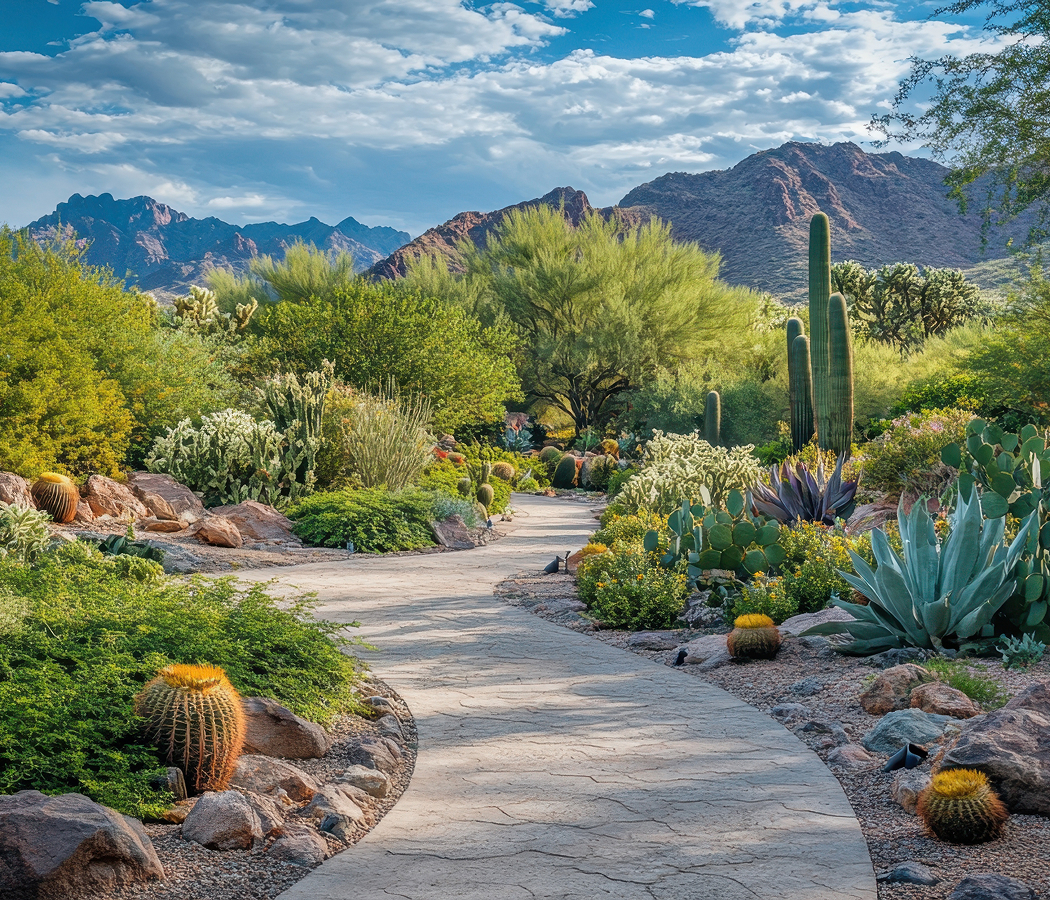
Begin at Camelback Mountain, where panoramic desert scenery and celebrated hiking trails establish the natural landscape surrounding 56th Street while introducing the geological setting that defines Arcadia. Continue to Scottsdale Fashion Square, where one of the Southwest's premier luxury retail destinations expands the story of the area's contemporary sophistication before guiding the experience toward its historical conclusion. Conclude at Tovrea Castle at Carraro Heights, where the landmark's striking architecture and preserved cactus gardens provide the historical payoff by illustrating the ambitious vision that transformed the eastern edge of Phoenix during the early twentieth century. The progression moves naturally from desert landscapes to contemporary refinement before culminating in one of metropolitan Phoenix's most distinctive historic estates.
Where your story begins.
Foresyte Travel reveals places that feel extraordinary long before you arrive.
Enjoy editorial crafted for luxury travelers.
Foresyte may earn a commission when you book.