Why you should experience 5th Street in Phoenix, Arizona.
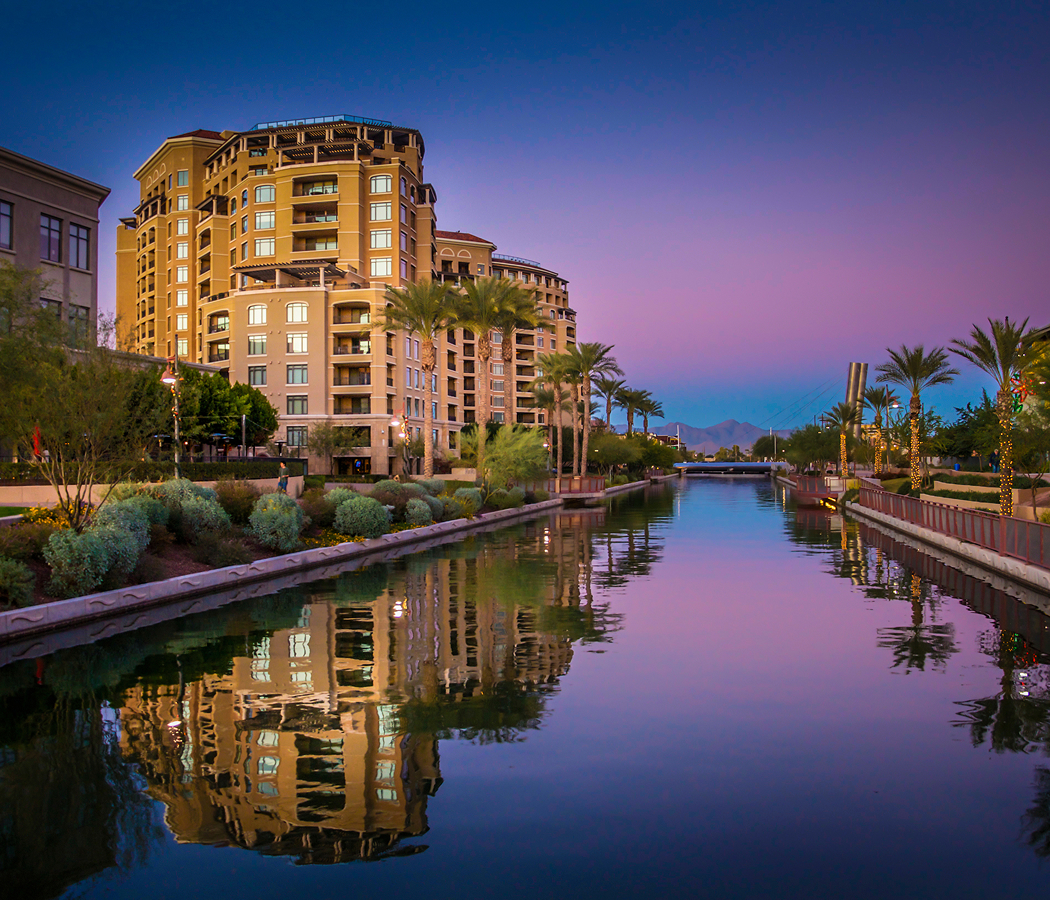
5th Street is a distinctive corridor where Downtown's historic neighborhoods, architectural heritage, creative culture, and urban reinvention create one of Central Phoenix's most engaging streets.
Running through Downtown between Roosevelt Row and the Garfield Historic District, the corridor connects preserved residential blocks, neighborhood businesses, cultural venues, and walkable streetscapes that reflect more than a century of continuous city building. Each successive stretch reveals Craftsman homes, mature shade trees, restored brick residences, colorful public art, and landscaped sidewalks that reinforce the street's unmistakable identity. The defining moment arrives as 5th Street demonstrates how historic preservation, neighborhood stewardship, and artistic expression continue shaping one of Phoenix's most compelling urban environments. The result is an experience defined by architectural character, cultural vitality, and one of Downtown's most rewarding corridors.
What you should know about 5th Street.
5th Street is best known for extending through the Garfield Historic District, a neighborhood developed primarily between 1883 and 1955 that preserves one of Phoenix's largest concentrations of early residential architecture. Residential growth introduced Craftsman, Bungalow, Spanish Colonial Revival, Tudor Revival, and Ranch homes distinguished by red brick masonry, wood clapboard siding, exposed rafter tails, decorative porch columns, divided-light wood windows, ornamental masonry, and clay tile roofs that collectively define the corridor's architectural identity. The district was listed on the National Register of Historic Places in 2010, recognizing hundreds of contributing historic resources while reinforcing long-term preservation across one of Central Phoenix's oldest neighborhoods. Mature ficus trees, irrigated parkways, preserved alley networks, original lot configurations, detached garages, and interconnected sidewalks continue reinforcing the historic streetscape established during the neighborhood's principal era of development. Continued reinvestment has restored historic residences while introducing neighborhood cafés, artist studios, creative offices, and compatible infill that respects the corridor's established architectural rhythm. Collectively, the corridor's residential origins, architectural diversity, preservation achievements, and creative reinvestment established 5th Street as one of Downtown's defining neighborhood corridors.
Bordering the corridor, St. Mary's Basilica, dedicated in 1915 and elevated to basilica status by Pope John Paul II in 1985, preserves one of Phoenix's finest examples of Mission Revival ecclesiastical architecture with stained glass, ornamental brickwork, and twin bell towers that have long shaped the downtown skyline. Nearby, the Rosson House Museum, completed in 1895 for physician Roland Lee Rosson, presents a fully restored Queen Anne Victorian residence whose original woodwork, decorative interiors, and period furnishings document the domestic life that accompanied Phoenix's early urban growth. The surrounding blocks also preserve a remarkable concentration of early twentieth-century churches, fraternal buildings, and neighborhood commercial storefronts whose continued occupation reflects the enduring social and architectural fabric surrounding 5th Street. Together, these religious institutions, preserved historic buildings, and longstanding civic spaces demonstrate how 5th Street developed within a district whose cultural significance extends well beyond its celebrated residential architecture.
How to fold 5th Street into your trip.
5th Street works as an exploration of Downtown's historic neighborhoods and creative culture.
Begin at Heritage Square, where preserved Victorian-era buildings establish the historical foundation surrounding 5th Street while naturally introducing Phoenix's earliest residential development. Continue to Roosevelt Row Arts District, where galleries, murals, and creative businesses deepen appreciation for the artistic energy that complements the Garfield neighborhood before guiding the experience toward its historical conclusion. Conclude at Phoenix Art Museum, where nationally recognized collections provide the historical payoff by illustrating the broader cultural evolution that continues shaping Central Phoenix. The progression moves naturally from the city's earliest residential heritage to contemporary artistic expression before culminating in one of Arizona's leading cultural institutions.
Where your story begins.
Foresyte Travel reveals places that feel extraordinary long before you arrive.
Experience premium editorial crafted for luxury travelers.