
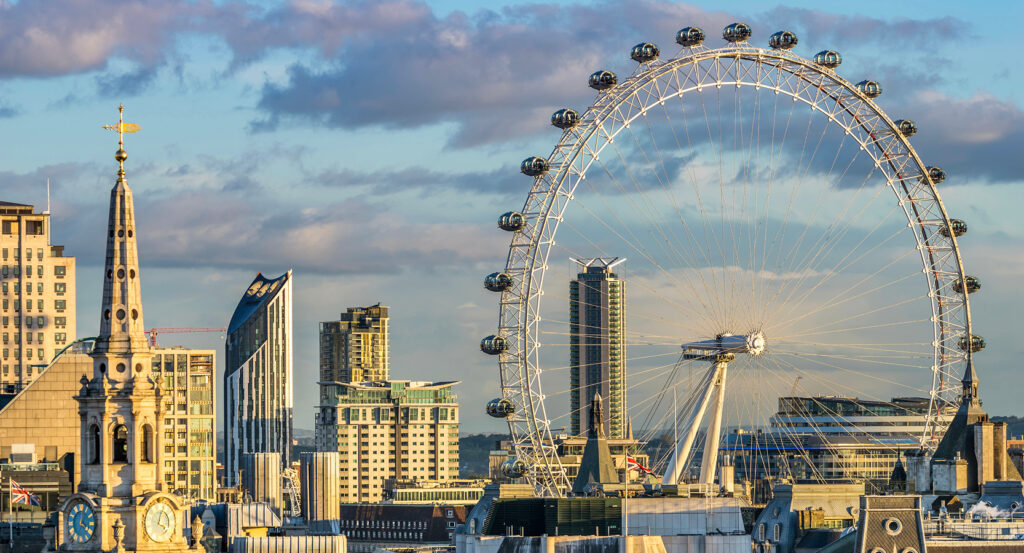
Why you should experience Water Lane in London, England.
Water Lane is a historic East London corridor where industrial heritage, creative reinvention, and canal-side culture converge along one of Hackney Wick's most distinctive streets.
Running through Hackney Wick between the River Lea and Queen Elizabeth Olympic Park, this character-rich avenue connects converted warehouses, artist studios, creative workspaces, waterfront paths, community destinations, and cultural landmarks that have shaped local life for generations. Industrial brick buildings, canal-side frontages, repurposed factories, and evolving public spaces create a streetscape defined by transformation and resilience. The corridor developed alongside the waterways that powered East London's manufacturing economy, serving generations of workers, merchants, and industrial enterprises. Artists, entrepreneurs, planners, residents, and cultural organizations helped establish a reputation rooted in innovation and adaptive reuse. To the west, Hackney Wick extends naturally from Water Lane through a network of historic streets, creative venues, and waterfront destinations that reinforce the avenue's enduring significance. The result is a street defined by heritage, creativity, and urban renewal.
What you should know about Water Lane.
Water Lane is best known for sitting at the heart of Hackney Wick's transformation from one of Britain's most important industrial districts into one of Europe's largest concentrations of artists' studios, a remarkable reinvention that reshaped the character of East London.
Factories, warehouses, and manufacturing sites once dominated the surrounding landscape, producing goods that supplied London and markets far beyond the city. Industrial decline left behind a vast collection of underused buildings whose generous spaces attracted painters, sculptors, designers, musicians, and makers seeking affordable places to work. Creative communities gradually transformed the area into an internationally recognized center for artistic production and cultural experimentation. The neighborhood became a model for adaptive reuse, demonstrating how industrial infrastructure could support a new generation of creative enterprise. Few London streets occupy such a central position within a district that experienced one of the city's most dramatic cultural transformations.
How to fold Water Lane into your trip.
Water Lane works as an exploration of East London's industrial heritage, waterfront landscapes, and creative culture.
Begin along Water Lane itself, where the avenue's defining relationship with canals, industry, and artistic reinvention immediately comes into focus. Continue toward the Queen Elizabeth Olympic Park, whose remarkable regeneration story reveals the planning and development forces that helped shape the district across generations. From there, make your way to the River Lea waterfront, where historic waterways provide a broader perspective on the economic and environmental influences that transformed the surrounding neighborhood. Along the route, you'll encounter converted warehouses, artist studios, canal-side pathways, public spaces, cultural venues, industrial landmarks, and celebrated waterfront streetscapes that showcase the corridor's remarkable depth. The progression moves naturally from creative industrial corridor to Olympic regeneration landmark to historic waterway, revealing the forces that transformed Water Lane into one of East London's most compelling avenues. Water Lane remains one of the capital's most rewarding streets, preserving a distinctive balance between industrial legacy, cultural vitality, and contemporary renewal.
Where your story begins.
Foresyte Travel reveals places that feel extraordinary long before you arrive.
Experience premium editorial crafted for luxury travelers.














































































































