
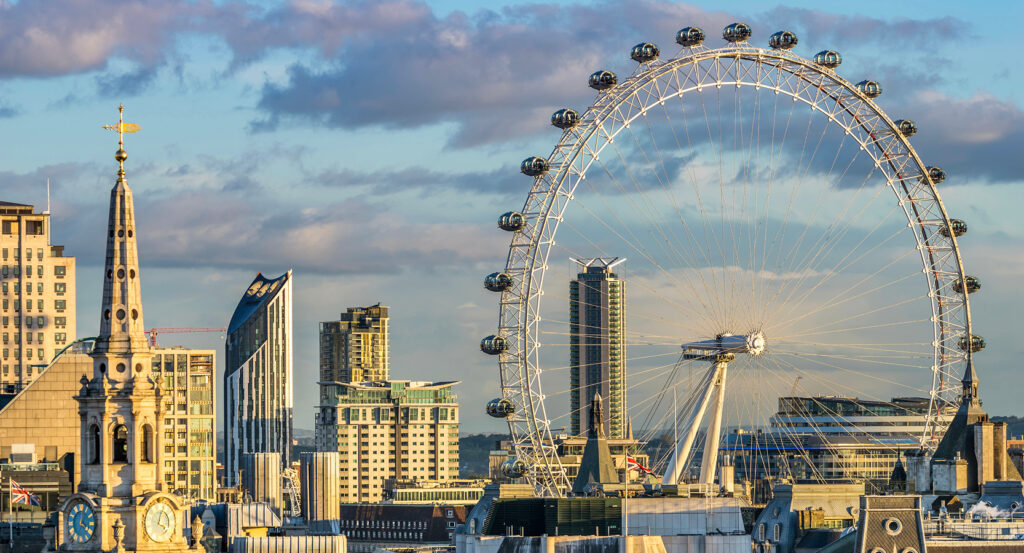
Why you should experience Forest Lane in London, England.
Forest Lane is a dynamic corridor where Forest Gate's Victorian suburban expansion, railway heritage, civic institutions, and East London's neighbourhood character converge along one of the district's defining historic streets.
Running through Forest Gate between Stratford and Maryland, the corridor developed during the nineteenth century as railway expansion and speculative housebuilding transformed former agricultural land into a densely settled suburban district connected with the expanding City of London. Victorian terraces, schools, civic buildings, neighbourhood commerce, and transport infrastructure established a lasting relationship between residential planning and local enterprise that continues defining Forest Lane today. Twentieth-century regeneration introduced new public facilities while preserving the corridor's historic alignment and role within Forest Gate's urban structure. The result is an experience defined by suburban continuity, transport history, and one of Newham's most significant historic corridors.
What you should know about Forest Lane.
Forest Lane is best known for forming one of the principal historic routes through Forest Gate, whose name reflects its position on the approach to Epping Forest before the arrival of the Eastern Counties Railway at Forest Gate station in 1840 transformed surrounding farmland into a rapidly expanding suburban district serving the City of London. The corridor developed through successive phases of Victorian construction that introduced London stock brick terraces, schools, churches, commercial premises, and civic buildings while the opening of Wanstead Park station on the Tottenham and Forest Gate Railway in 1894 strengthened transport connections and reinforced Forest Lane's role as a residential and commercial spine. The growth of the street reflected the wider urbanisation of the former parish of West Ham, whose expanding population supported new institutions, local commerce, and municipal investment throughout the late nineteenth century. Forest Lane remains central to Forest Gate Town Centre, where its historic street pattern continues reflecting the Victorian planning that established one of Newham's principal suburban districts.
Forest Lane also preserves several of Forest Gate's longest-established institutions, including The Old Spotted Dog, a Grade II listed public house with medieval origins, West Ham Park, opened to the public in 1875 after the Corporation of London acquired the former Gurney Estate, and St. James' Church, designed by Lewis Vulliamy and completed in 1836 before the district's principal phase of Victorian suburban growth. Together, these institutions demonstrate the transformation of Forest Gate from a rural settlement into a mature suburban community through surviving ecclesiastical architecture, landscaped recreation, and longstanding civic gathering places. The corridor's continuing commercial role has been reinforced through regeneration initiatives undertaken by the London Borough of Newham while retaining its Victorian building stock, historic frontage, and relationship with surrounding residential streets. Forest Lane continues expressing more than a century of suburban development through the preservation of its institutions, streetscape, and neighbourhood identity.
How to fold Forest Lane into your trip.
Forest Lane works as an exploration of Forest Gate's suburban heritage, historic institutions, and public landscapes.
Begin at West Ham Park, where one of East London's largest historic parks introduces the landscape that shaped the surrounding district. Continue to The Old Spotted Dog, whose medieval origins reveal the area's long history before Victorian suburban expansion transformed Forest Gate. Conclude at St. James' Church, where Lewis Vulliamy's early nineteenth-century design provides a fitting conclusion within the community that developed alongside Forest Lane. The progression moves naturally from historic landscape through longstanding local history before concluding with ecclesiastical architecture, revealing the evolution of Forest Gate across several centuries.
Where your story begins.
Foresyte Travel reveals places that feel extraordinary long before you arrive.
Experience premium editorial crafted for luxury travelers.














































































































