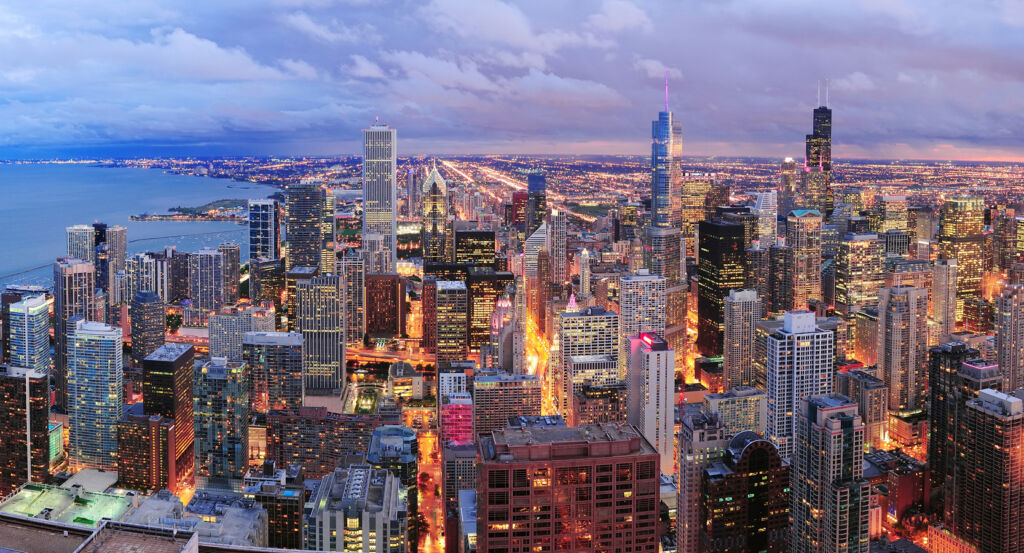
Why you should experience Magnolia Avenue in Chicago, Illinois.
Magnolia Avenue is a refined corridor where Lakeview's architectural heritage, neighborhood vitality, residential elegance, and Chicago's enduring North Side character remain beautifully preserved.
Running through Lakeview between Uptown and Wrigleyville, Magnolia Avenue connects historic apartment buildings, tree-lined residential blocks, neighborhood institutions, and established commercial corridors that collectively reflect more than a century of thoughtful urban development. The corridor reveals how rapid transit, residential investment, and careful preservation fostered a streetscape where successive generations strengthened. Brick courtyard apartments, greystones, and mature parkways remain closely integrated throughout the avenue, preserving its historic character while accommodating continued neighborhood evolution. The result is a corridor distinguished by architectural continuity, neighborhood stability, and a lasting place within Chicago's North Side.
What you should know about Magnolia Avenue.
Magnolia Avenue is best known for extending through Lakeview, where annexation to Chicago in 1889 and the arrival of the Northwestern Elevated Railroad in 1900 accelerated one of the city's most significant periods of residential expansion. Construction between the 1900s and the 1930s introduced courtyard apartment buildings, Chicago greystones, Prairie School residences, Tudor Revival homes, and Classical Revival apartment houses that established the avenue's enduring architectural identity. Development surrounding the corridor benefited from nearby Broadway commercial activity, expanding electric streetcar service, and easy access to elevated railway stations, encouraging dense residential construction throughout the neighborhood. Continued preservation and compatible reinvestment have retained much of Magnolia Avenue's early twentieth-century streetscape while maintaining the cohesive architectural character that distinguishes Lakeview today.
Recognition of the Sheridan Park Historic District on the National Register of Historic Places in 1985 preserved one of Chicago's most cohesive collections of late nineteenth- and early twentieth-century residential architecture immediately adjoining Magnolia Avenue through coordinated historic protection. Architect Clarence Hatzfeld designed numerous apartment buildings throughout the surrounding neighborhood, introducing richly detailed brick façades, decorative terra-cotta ornamentation, and carefully proportioned courtyard plans that helped define Lakeview's residential architecture. Formation of Landmarks Illinois in 1971 strengthened preservation advocacy by supporting restoration initiatives, technical assistance, and public education that encouraged long-term stewardship of historic neighborhoods across Chicago, including those surrounding Magnolia Avenue. Together, the Sheridan Park Historic District, the National Register of Historic Places, Clarence Hatzfeld, and Landmarks Illinois demonstrate how architectural excellence, organized preservation, and sustained civic leadership have collectively reinforced Magnolia Avenue's historic character across successive generations.
How to fold Magnolia Avenue into your trip.
Magnolia Avenue works as an exploration of Lakeview's historic architecture, neighborhood culture, and North Side traditions.
Begin at Graceland Cemetery, where remarkable landscape design and monuments honoring many of Chicago's most influential figures establish the historical context of the surrounding neighborhood before continuing along Magnolia Avenue. Continue to Music Box Theatre, whose beautifully preserved 1929 interior reflects Lakeview's enduring cultural traditions while expanding the avenue's architectural story. Conclude at Belmont Harbor, where sweeping Lake Michigan views, marina activity, and expansive public landscapes provide a fitting finale celebrating the enduring relationship between Lakeview and Chicago's celebrated shoreline. The progression moves naturally from Chicago's architectural and cultural history to its iconic waterfront, revealing why Magnolia Avenue remains an enduring part of the North Side's historic fabric.
Where your story begins.
Foresyte Travel reveals places that feel extraordinary long before you arrive.
Experience premium editorial crafted for luxury travelers.