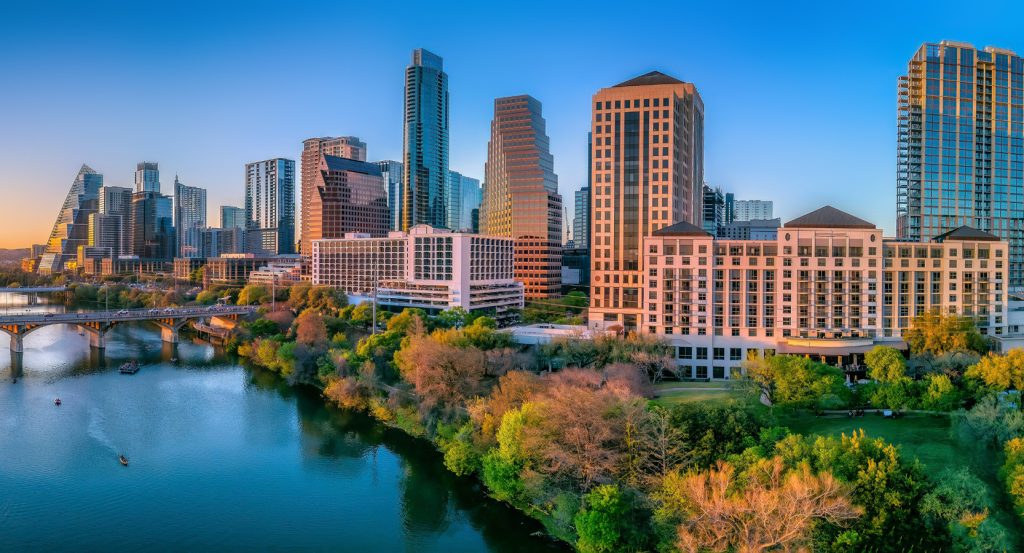
Why you should experience Annie Street in Austin, Texas.
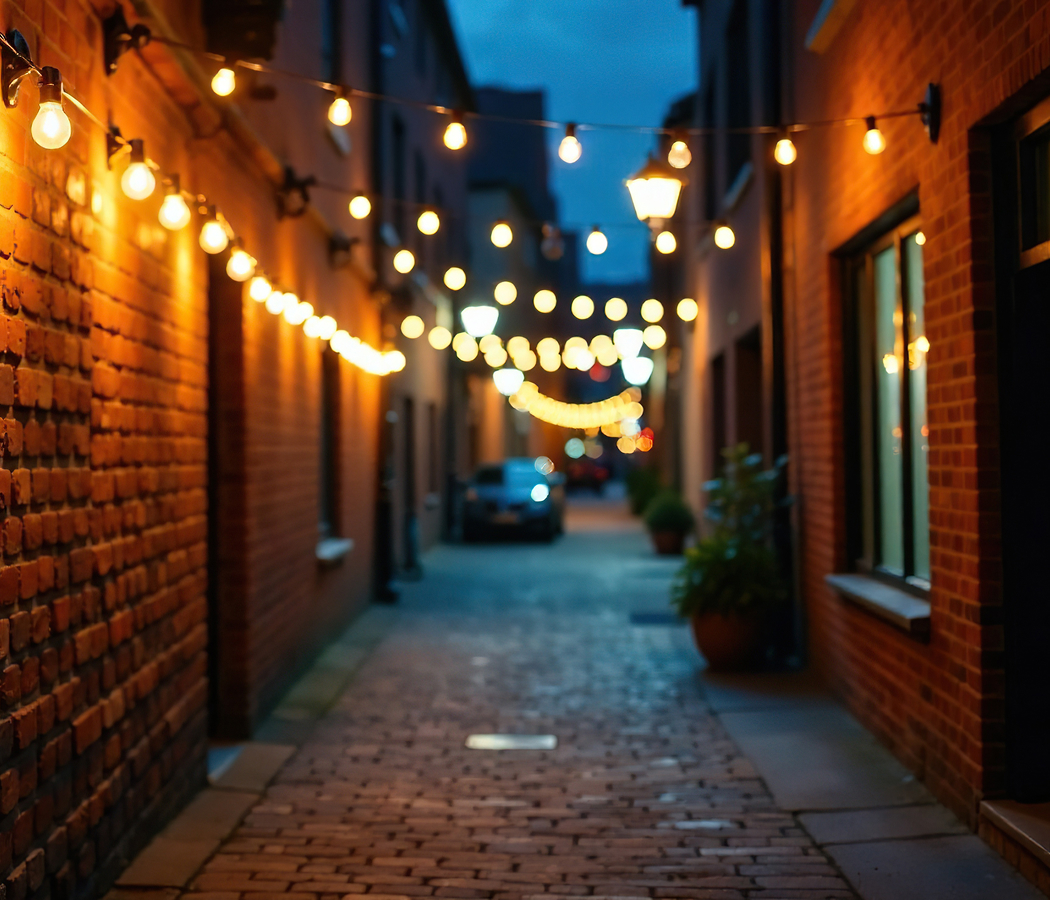
Annie Street is a welcoming corridor where Bouldin Creek's creative spirit, architectural heritage, neighborhood traditions, and enduring South Austin character create one of the district's most engaging residential streets.
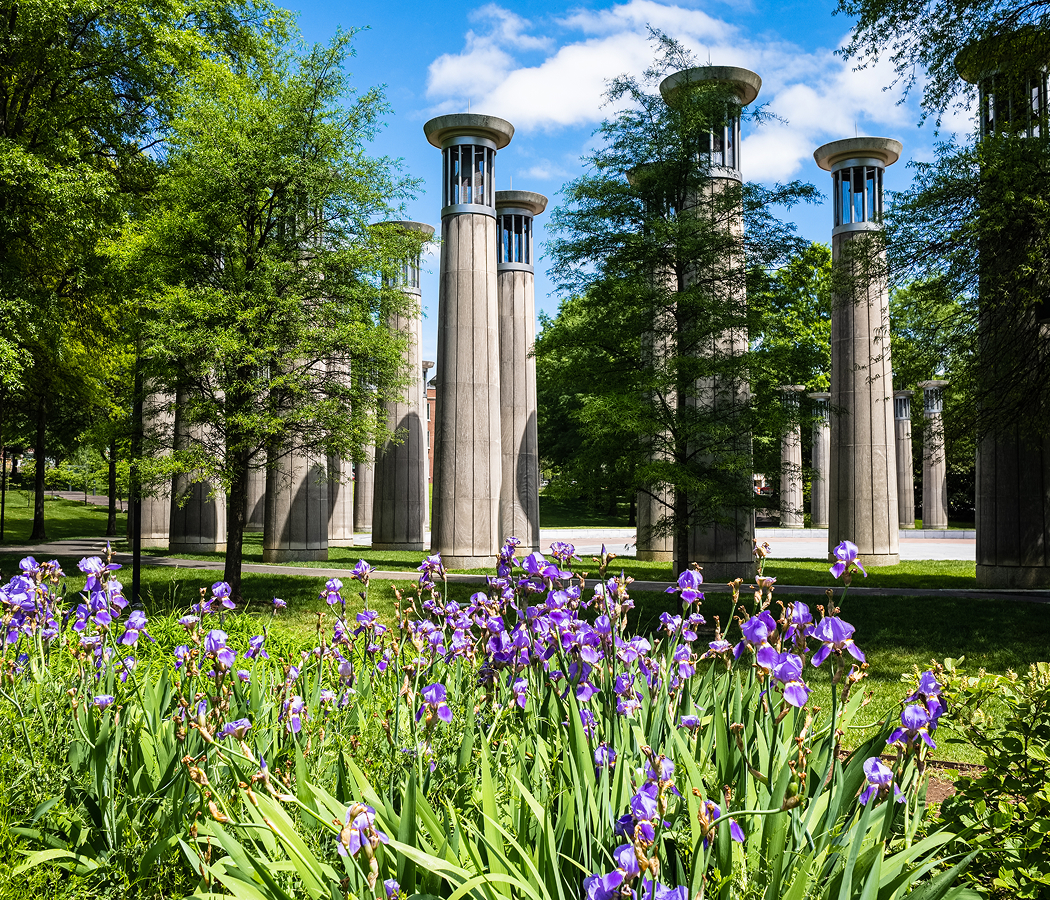
Running through Bouldin Creek between South Lamar and South River City, the corridor links shaded residential blocks, locally owned businesses, mature tree canopies, and walkable streets that reflect more than a century of thoughtful development immediately south of Downtown. Restored Craftsman cottages, early twentieth-century homes, broad front porches, and towering live oaks establish a setting where architectural continuity remains inseparable from the neighborhood's artistic character. Generations of preservation and reinvestment have strengthened the surrounding community while maintaining the intimate scale that continues distinguishing Bouldin Creek. The result is an experience defined by neighborhood authenticity, architectural richness, and one of Bouldin Creek's most memorable corridors.
What you should know about Annie Street.
Annie Street is best known for traversing Bouldin Creek, among Austin's earliest neighborhoods south of the Colorado River, where residential subdivision accelerated during the 1890s before expanding through the 1910s, 1920s, and postwar decades as Austin steadily grew beyond its original downtown core. The corridor preserves an exceptional collection of Craftsman, Queen Anne, Minimal Traditional, and early Ranch-style residences whose construction between the 1900s and 1950s documents successive eras of residential architecture while illustrating the neighborhood's gradual evolution from streetcar-era suburb to one of Austin's most sought-after historic communities. Much of the surrounding area contributes to the South River City Historic District, listed on the National Register of Historic Places in 1986, recognizing one of Central Texas' finest concentrations of early residential architecture and historic neighborhood planning. Bouldin Creek also became closely associated with Austin's creative community as generations of musicians, artists, writers, preservationists, and independent business owners restored historic homes and reinforced the neighborhood's distinctive cultural identity. Collectively, the corridor's nineteenth-century origins, National Register recognition, architectural diversity, and artistic heritage establish Annie Street as one of Bouldin Creek's defining corridors.
The Bouldin Creek Neighborhood Association, established in 1976, has remained an influential advocate for historic preservation, neighborhood stewardship, tree planting initiatives, and community engagement that continue protecting the district's architectural character. The nearby Bouldin Creek watershed supports mature riparian woodland, native pollinator habitat, migratory birds, and one of South Austin's oldest surviving natural drainage systems, reinforcing the environmental landscape that shaped early settlement patterns. Original subdivision plats introduced compact residential lots, interconnected alleys, and highly walkable streets that remain largely intact today, preserving planning principles established during Austin's earliest southward expansion. Together, these civic organizations, natural systems, and historic planning patterns demonstrate how Annie Street reflects a corridor where environmental continuity, architectural preservation, and neighborhood stewardship remain deeply interconnected.
How to fold Annie Street into your trip.
Annie Street works as an exploration of South Austin's neighborhood heritage, creative culture, and public spaces.
Begin at Nicholas Dawson Neighborhood Park, where shaded lawns, mature live oaks, and welcoming gathering spaces introduce the relaxed residential atmosphere that has long defined Bouldin Creek. Continue to South Congress Avenue, where independent boutiques, galleries, live music venues, and locally owned cafés reveal the entrepreneurial and artistic culture that continues shaping South Austin's identity. Conclude at The Contemporary Austin - Jones Center, where internationally recognized exhibitions and innovative installations provide the historical payoff by connecting the surrounding neighborhood's creative traditions with one of Austin's leading institutions for contemporary art. The progression moves naturally from neighborhood green space to an independent commercial corridor before culminating in a destination that celebrates Austin's enduring artistic legacy.
Where your story begins.
Foresyte Travel reveals places that feel extraordinary long before you arrive.
Experience premium editorial crafted for luxury travelers.