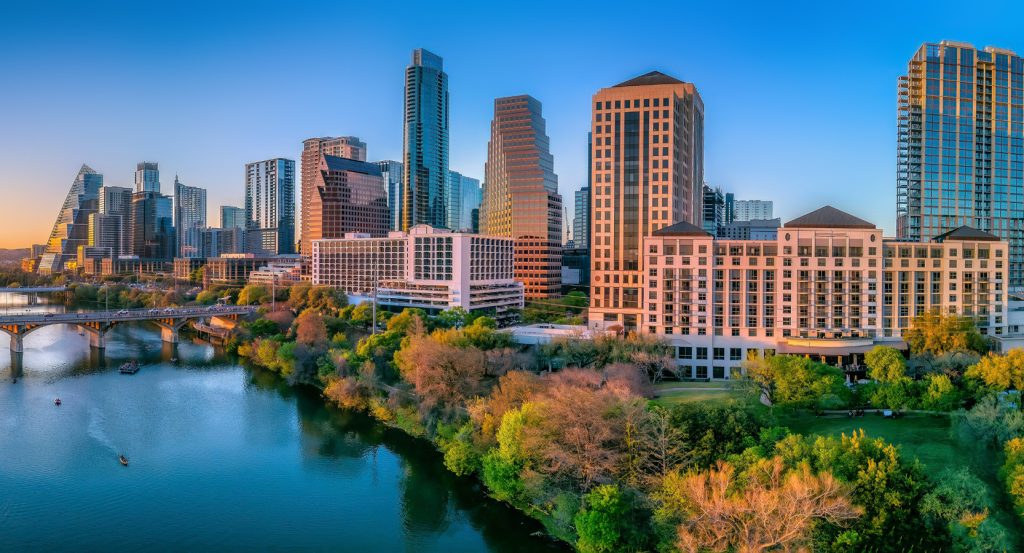
Why you should experience Collier Street in Austin, Texas.
Collier Street is a graceful corridor where Bouldin Creek's artistic spirit, neighborhood heritage, residential character, and enduring local character create one of South Austin's most appealing streets.
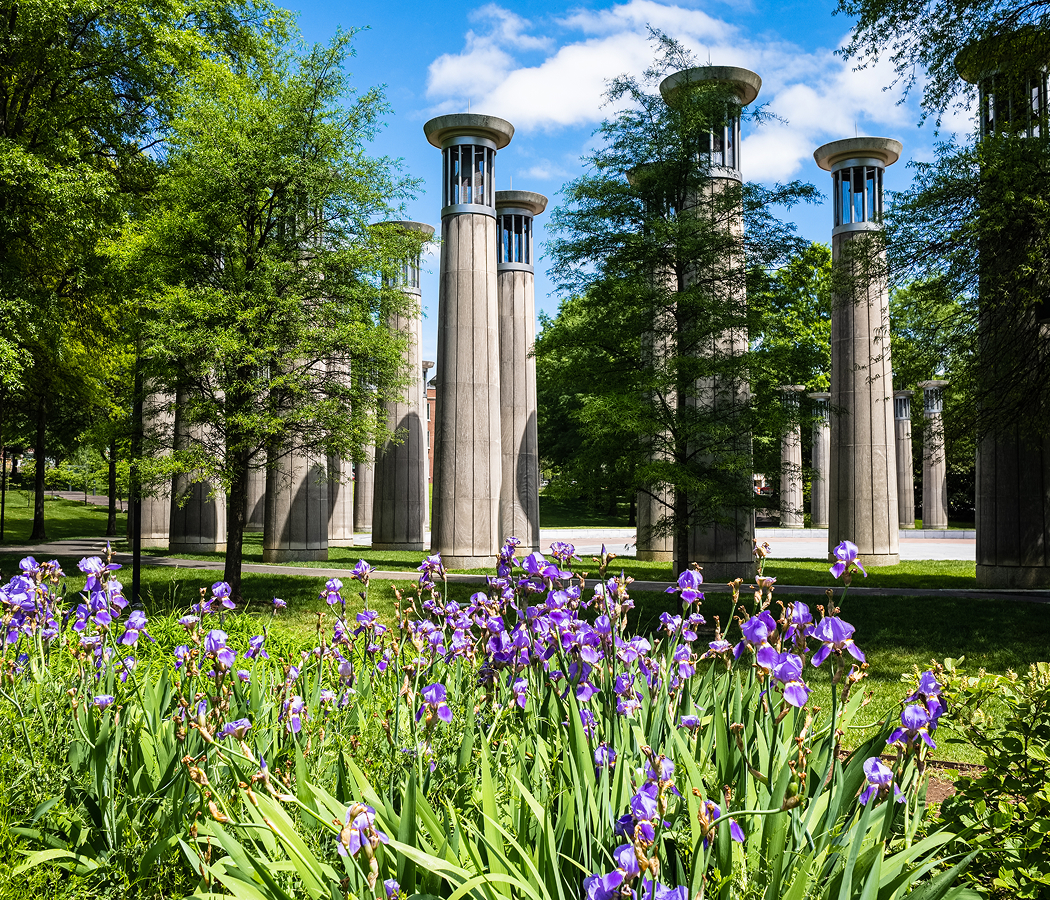
Running through Bouldin Creek between South Lamar and South River City, the corridor connects historic residential blocks, independent businesses, neighborhood gathering places, and mature tree-lined streets that reflect more than a century of growth south of the Colorado River. Craftsman cottages, restored bungalows, contemporary homes, broad live oak canopies, and shaded sidewalks establish a setting where architectural continuity and creative expression remain closely connected. Generations of thoughtful reinvestment have strengthened the surrounding neighborhood while preserving the intimate scale that continues defining Bouldin Creek. The result is an experience defined by authenticity, architectural richness, and one of Bouldin Creek's most engaging corridors.
What you should know about Collier Street.
Collier Street is best known for traversing Bouldin Creek, among Austin's earliest neighborhoods south of the Colorado River, where residential subdivision began during the 1890s before expanding steadily through the 1910s, 1920s, and postwar decades as the city extended beyond its original downtown grid. The corridor preserves a varied collection of Craftsman bungalows, Victorian cottages, Minimal Traditional residences, early Ranch-style homes, and sensitively integrated contemporary architecture that documents successive generations of neighborhood development. Nearby South 1st Street and South Congress Avenue emerged as important commercial corridors during the twentieth century, encouraging locally owned businesses, neighborhood services, music venues, galleries, and creative enterprises that established South Austin's enduring independent identity. Mature live oak, cedar elm, pecan, Mexican plum, Texas red oak, and mountain laurel contribute to a dense urban canopy supporting native pollinators, migratory birds, and seasonal biodiversity throughout the surrounding neighborhood. Collectively, the corridor's historic settlement, architectural diversity, commercial evolution, environmental character, and neighborhood continuity establish Collier Street as one of Bouldin Creek's defining corridors.
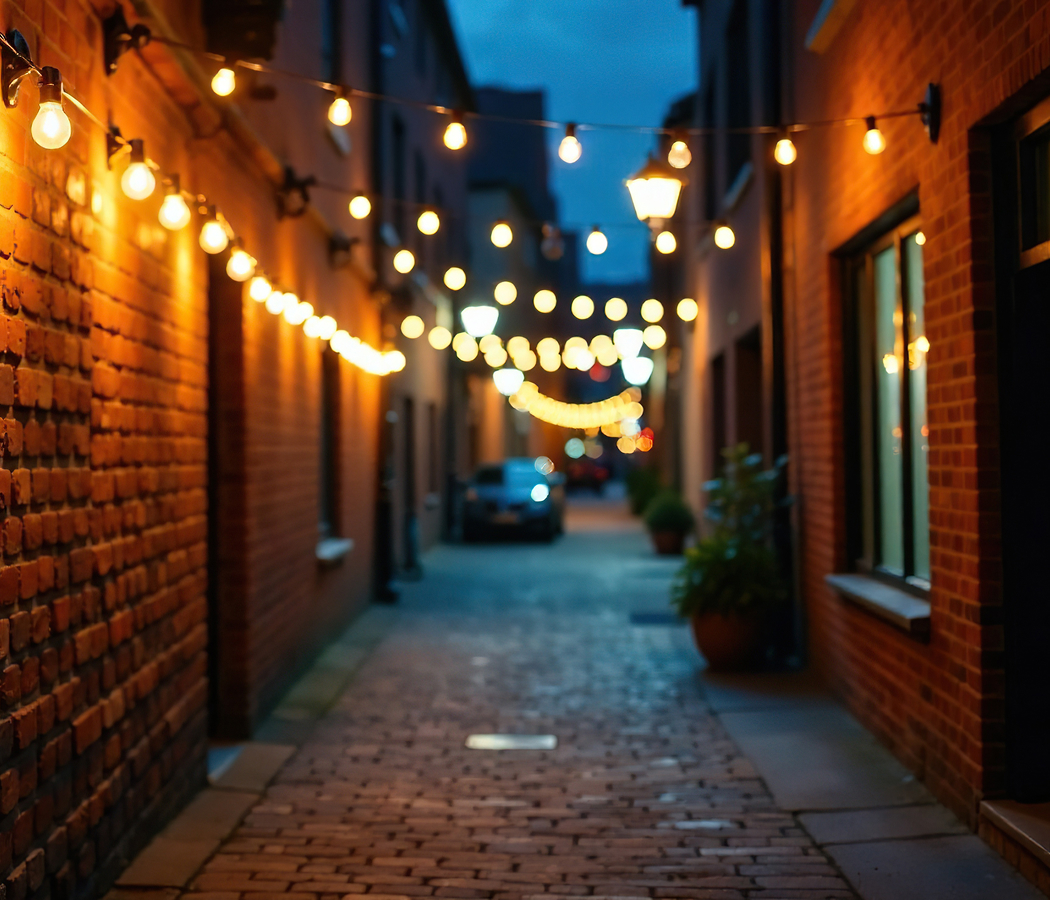
The nearby Bouldin Creek waterway gave the neighborhood its enduring name and continues supporting riparian woodland, native vegetation, and wildlife habitat through one of South Austin's oldest natural drainage corridors. Longstanding neighborhood traditions have fostered a concentration of local artists, musicians, writers, and independent business owners whose influence helped shape Bouldin Creek's distinctive cultural character across multiple generations. Original subdivision patterns created compact residential blocks, interconnected alleys, and walkable streets that continue distinguishing the neighborhood from many later suburban developments throughout Austin. Together, these natural features, cultural traditions, and historic development patterns demonstrate how Collier Street reflects a corridor where environmental character, creative expression, and neighborhood continuity remain closely connected.
How to fold Collier Street into your trip.
Collier Street works as an exploration of South Austin's neighborhood heritage, independent culture, and artistic traditions.
Begin at Nicholas Dawson Neighborhood Park, where shaded lawns, mature trees, and welcoming gathering spaces introduce the relaxed residential atmosphere that has long defined Bouldin Creek while establishing a fitting beginning to the outing. Continue to South Congress Avenue, where independent boutiques, galleries, live music venues, and locally owned cafés deepen the experience by illustrating the entrepreneurial culture that continues shaping South Austin's identity. Conclude at The Contemporary Austin - Jones Center, where rotating exhibitions, innovative installations, and internationally recognized contemporary art provide the historical payoff by connecting the neighborhood's creative traditions with one of Austin's leading cultural institutions. The progression moves naturally from neighborhood green space to independent commerce before culminating in a destination that celebrates Austin's enduring artistic legacy.
Where your story begins.
Foresyte Travel reveals places that feel extraordinary long before you arrive.
Experience premium editorial crafted for luxury travelers.