Why you should experience Jackson Street in Phoenix, Arizona.
Jackson Street is a storied corridor where Downtown's railroad heritage, industrial legacy, civic history, and creative reinvention create one of Central Phoenix's most distinctive streets.
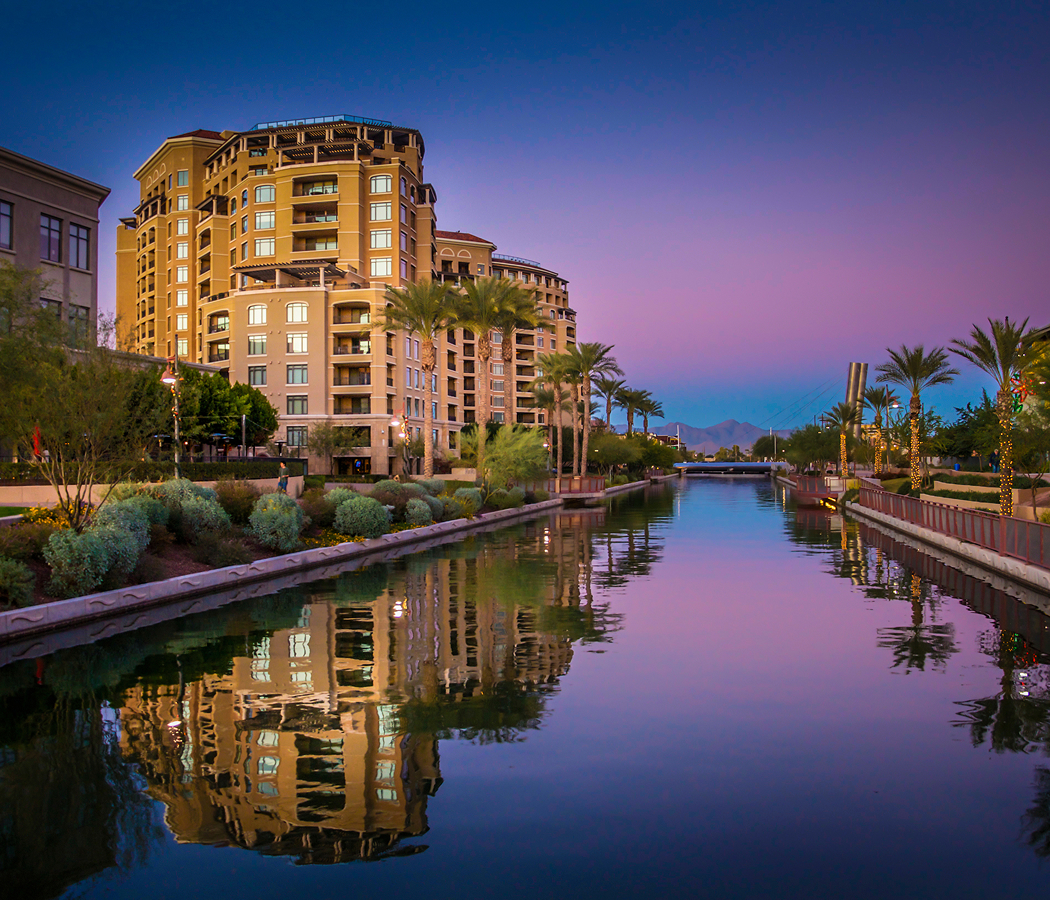
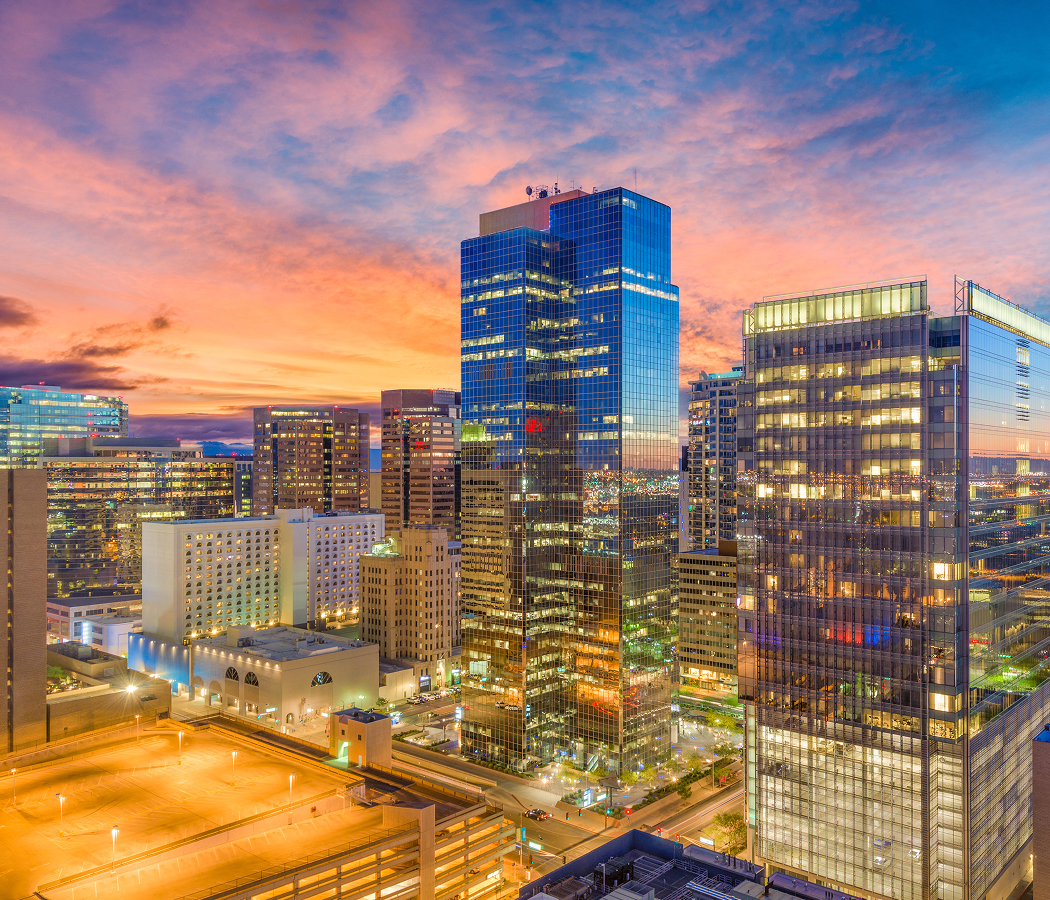
Running through Downtown between the Government District and the Warehouse District, the corridor connects restored industrial buildings, cultural destinations, civic institutions, and historic commercial blocks that reflect more than a century of continuous urban evolution. Each successive stretch reveals brick warehouses, early twentieth-century masonry architecture, contemporary adaptive spaces, public art, and broad streetscapes that reinforce the street's unmistakable identity. The defining moment arrives as Jackson Street demonstrates how preservation, entrepreneurial investment, and cultural energy continue shaping one of Phoenix's most compelling urban environments. The result is an experience defined by industrial character, architectural depth, and one of Downtown's most rewarding corridors.
What you should know about Jackson Street.
Jackson Street is best known for developing alongside Phoenix's railroad expansion throughout the late nineteenth century and early twentieth century, when freight distribution, warehousing, wholesale commerce, and manufacturing established the Warehouse District immediately south of the city's commercial core. Construction introduced brick warehouses, reinforced concrete industrial buildings, heavy timber structural systems, steel industrial sash windows, decorative corbelled masonry, expansive loading bays, and cast-stone detailing that continue defining the corridor's architectural identity. Commercial activity intensified following the arrival of the Southern Pacific Railroad and later the Atchison, Topeka and Santa Fe Railway, transforming the surrounding district into Phoenix's principal freight and wholesale center while attracting produce distributors, agricultural suppliers, food processors, and manufacturing businesses. Historic warehouse parcels, generous rights-of-way, preserved alley networks, original freight-loading infrastructure, and cohesive industrial block patterns maintain the corridor's historic structure while reinforcing Jackson Street's distinctive streetscape. Continued reinvestment has restored industrial buildings for offices, restaurants, galleries, breweries, and creative workspaces while respecting the corridor's established architectural fabric. Collectively, the corridor's railroad origins, industrial craftsmanship, commercial prominence, and sustained preservation established Jackson Street as one of Downtown's defining historic corridors.
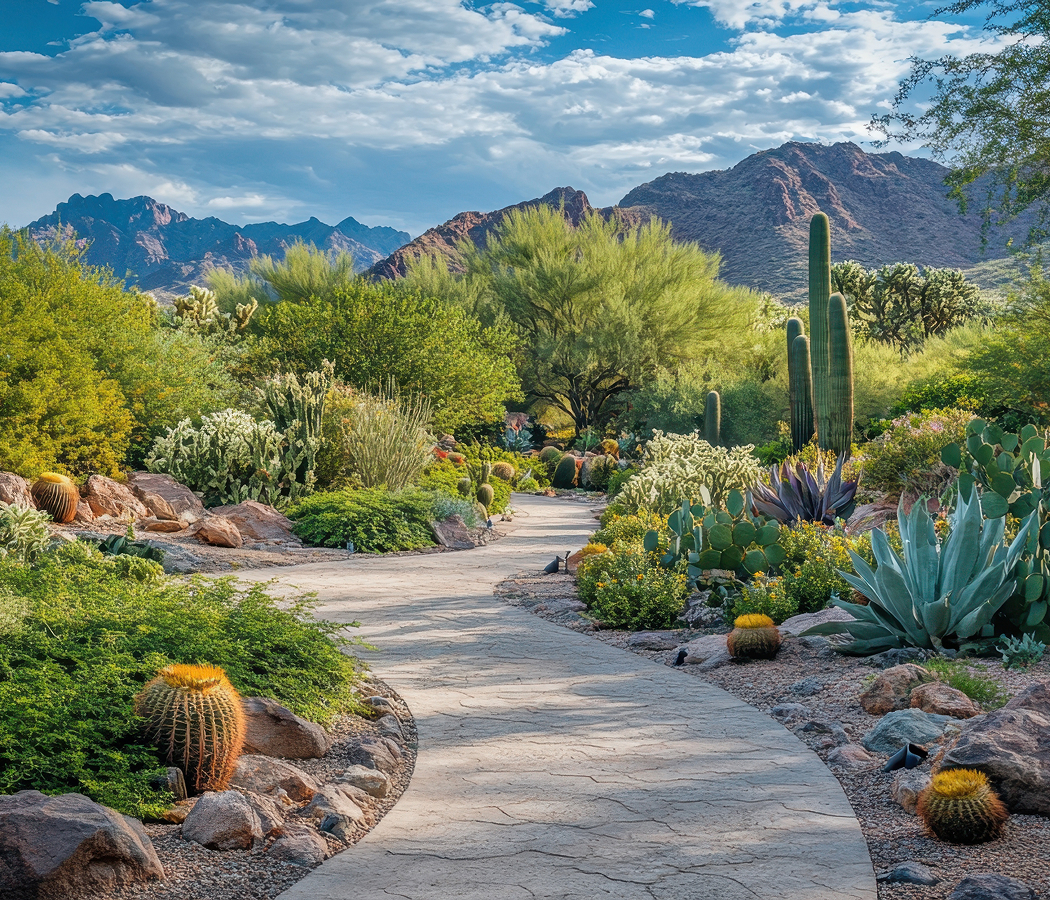
The Phoenix Warehouse District Council continues advocating for historic preservation, compatible redevelopment, and neighborhood investment that reinforce Jackson Street's industrial character while encouraging long-term stewardship throughout the district. Arizona Preservation Foundation documents historically significant buildings, promotes preservation education, and recognizes exemplary rehabilitation projects that strengthen appreciation for the corridor's architectural legacy. Mature desert willow, blue palo verde, shade trees, landscaped curb extensions, native planting beds, decorative paving, and pedestrian-scaled lighting create an inviting public realm that complements the surrounding warehouse architecture while enhancing walkability. Together, these preservation organizations, neighborhood initiatives, and enduring landscape improvements demonstrate how Jackson Street continues retaining its distinctive character through sustained community investment and thoughtful conservation.
How to fold Jackson Street into your trip.
Jackson Street works as an exploration of Downtown's industrial heritage and cultural revival.
Begin at Chase Field, where the nationally recognized ballpark establishes the modern story surrounding Jackson Street while naturally introducing the Warehouse District's continuing evolution. Continue to The Icehouse, where the restored industrial complex deepens appreciation for the neighborhood's architectural preservation before guiding the experience toward its historical conclusion. Conclude at Heritage Square, where preserved Victorian-era buildings provide the historical payoff by illustrating the architectural foundations from which modern Phoenix emerged. The progression moves naturally from contemporary civic life to preserved industrial architecture before culminating in one of the city's most significant historic settings.
Where your story begins.
Foresyte Travel reveals places that feel extraordinary long before you arrive.
Experience premium editorial crafted for luxury travelers.