
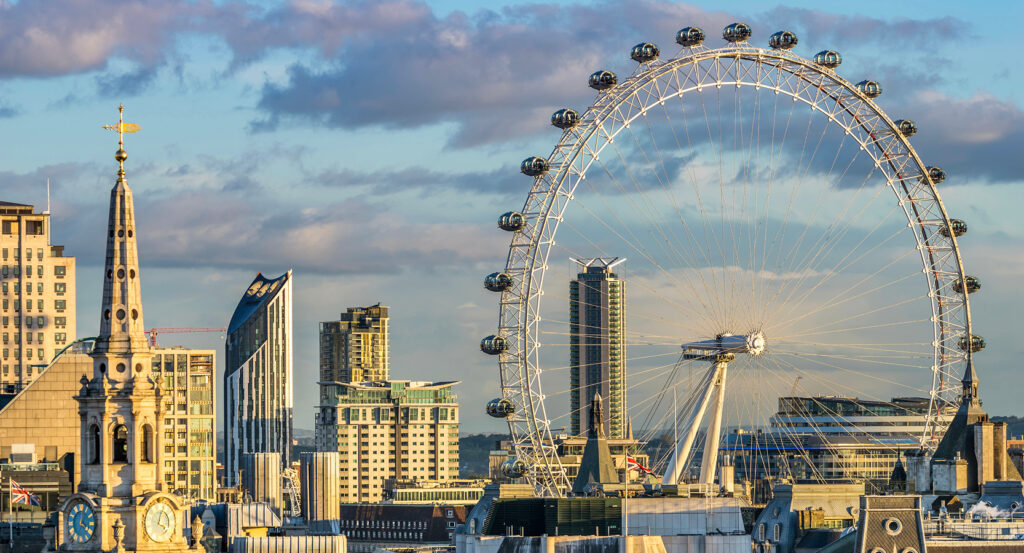
Why you should experience Archer Street in London, England.
Archer Street is an energetic corridor where Soho's entertainment heritage, musical culture, theatrical tradition, and late Georgian streetscape define one of Central London's most distinctive historic streets.
Running through Soho between Chinatown and Mayfair, the corridor connects theatres, restaurants, music venues, hospitality businesses, commercial buildings, and historic streets that reflect centuries of cultural and nightlife activity. Georgian terraces, Victorian commercial façades, narrow carriageways, and carefully adapted historic buildings sustain a streetscape shaped by London's performing arts and hospitality industries. Independent businesses, entertainment venues, creative enterprises, and long-established institutions continue reinforcing the street's importance within Soho. The result is an experience defined by theatrical history, musical creativity, and the enduring vitality of London's West End.
What you should know about Archer Street.
Archer Street is best known for forming part of Soho's eighteenth-century urban expansion under the Compton Estate, when fields west of St. Giles were systematically developed into a network of planned streets serving London's rapidly growing West End. The corridor was laid out during the 1730s, taking its name from Thomas Archer, whose connections with the estate reflected the common practice of commemorating prominent landowners and public figures through new street names. Its position immediately south of Shaftesbury Avenue, completed in 1886, placed Archer Street at the centre of London's expanding theatre district as new playhouses, music halls, and hospitality businesses reshaped Soho's commercial landscape. Nearby Piccadilly Circus Underground station, opened in 1906, strengthened accessibility through the Bakerloo and Piccadilly lines, reinforcing the area's role as one of Britain's foremost entertainment destinations. Westminster City Council continues protecting the surrounding Soho Conservation Area, preserving historic street patterns, listed buildings, and the architectural character that distinguishes Archer Street within the West End.
The Gielgud Theatre, originally opened as the Hicks Theatre in 1906 to designs by W. G. R. Sprague, remains one of the defining Edwardian playhouses immediately adjoining the corridor. Ronnie Scott's Jazz Club, founded in 1959 by Ronnie Scott and Pete King, established nearby Soho as Europe's leading centre for modern jazz, attracting performers including Ella Fitzgerald, Miles Davis, and Nina Simone. The Palace Theatre, completed in 1891 to designs by Thomas Edward Collcutt, reinforced the surrounding district's international reputation for theatrical production through more than a century of major stage performances. Historic England has designated numerous Georgian, Victorian, and Edwardian buildings surrounding Archer Street as listed structures, documenting Soho's evolution from an eighteenth-century residential suburb into London's internationally recognised entertainment quarter.
How to fold Archer Street into your trip.
Archer Street works as an exploration of Soho's theatrical heritage, musical legacy, and historic West End streets.
Begin at the Gielgud Theatre, where Edwardian theatre architecture establishes the dramatic setting before following Archer Street through the lively heart of Soho's entertainment district. Continue to Ronnie Scott's Jazz Club, where decades of internationally celebrated performances deepen the neighbourhood's musical story while naturally leading toward one of the West End's great theatrical landmarks. Conclude at the Palace Theatre, where grand architecture and a remarkable performance history provide the culmination of Soho's longstanding contribution to London's cultural life. Together, the Edwardian theatre, renowned jazz venue, and celebrated playhouse reveal how Archer Street connects performance, music, and architectural heritage within the West End.
Where your story begins.
Foresyte Travel reveals places that feel extraordinary long before you arrive.
Experience premium editorial crafted for luxury travelers.














































































































